Fast, no code setup
Increase sales on autopilot
Points expiration is one of the most sensitive parts of any loyalty program in beauty. Get it wrong and you invite complaints, support load and churn. Get it right and you control liability, nudge repeat purchases and keep members engaged without friction. This guide shows how expiration works, which models fit beauty and wellness businesses, what leading brands do and how to communicate policies customers actually appreciate. For a primer on platforms that support expiration and policy configuration, see our guide to loyalty management software for beauty brands.
How points expiration works in beauty loyalty
Expiration determines how long earned points remain valid before they disappear. In beauty and wellness, purchase frequency varies from weekly essentials to quarterly treatments, so your policy should reflect real customer behavior. Most programs use one of three models.
Fixed expiration
All points expire on a specific date - often at quarter or year end. It is simple to run and easy to explain, which benefits smaller teams. Downsides are rigidity and perceived unfairness for customers who shopped recently but just missed the cut-off. Fixed calendars can spike redemption just before the deadline and then quiet periods after, which is not ideal for smooth operations.
Activity-based expiration
Points stay valid as long as the member remains active. Each qualifying action - a purchase, booking, or redemption - resets a rolling validity window. This model gives customers more control and aligns with repeat-purchase goals. It also adapts well to different purchase cycles across skincare, makeup, haircare and treatments. The trade-off is operational complexity. You need reliable tracking across channels, clear eligibility rules and automated pre-expiry notifications as members approach inactivity thresholds.
Hybrid rules
Many beauty brands blend models. Examples include non-expiring points for top-tier members while entry tiers use activity-based rules, or promotional bonus points with shorter validity than base points. Hybrids let you manage liability on promo bursts without penalizing loyal members, but they require crystal-clear messaging so customers know which points expire when.
Behavioral design and communication best practices
Expiration taps directly into loss aversion. Customers feel losses more strongly than gains, so policy and messaging should reduce perceived loss and foreground progress. Use these tactics:
Progress framing - Emphasize value at stake and how close someone is to a reward. Example: “You are 120 points from a free brow service. Shop by Sunday to keep your 680 points alive.”
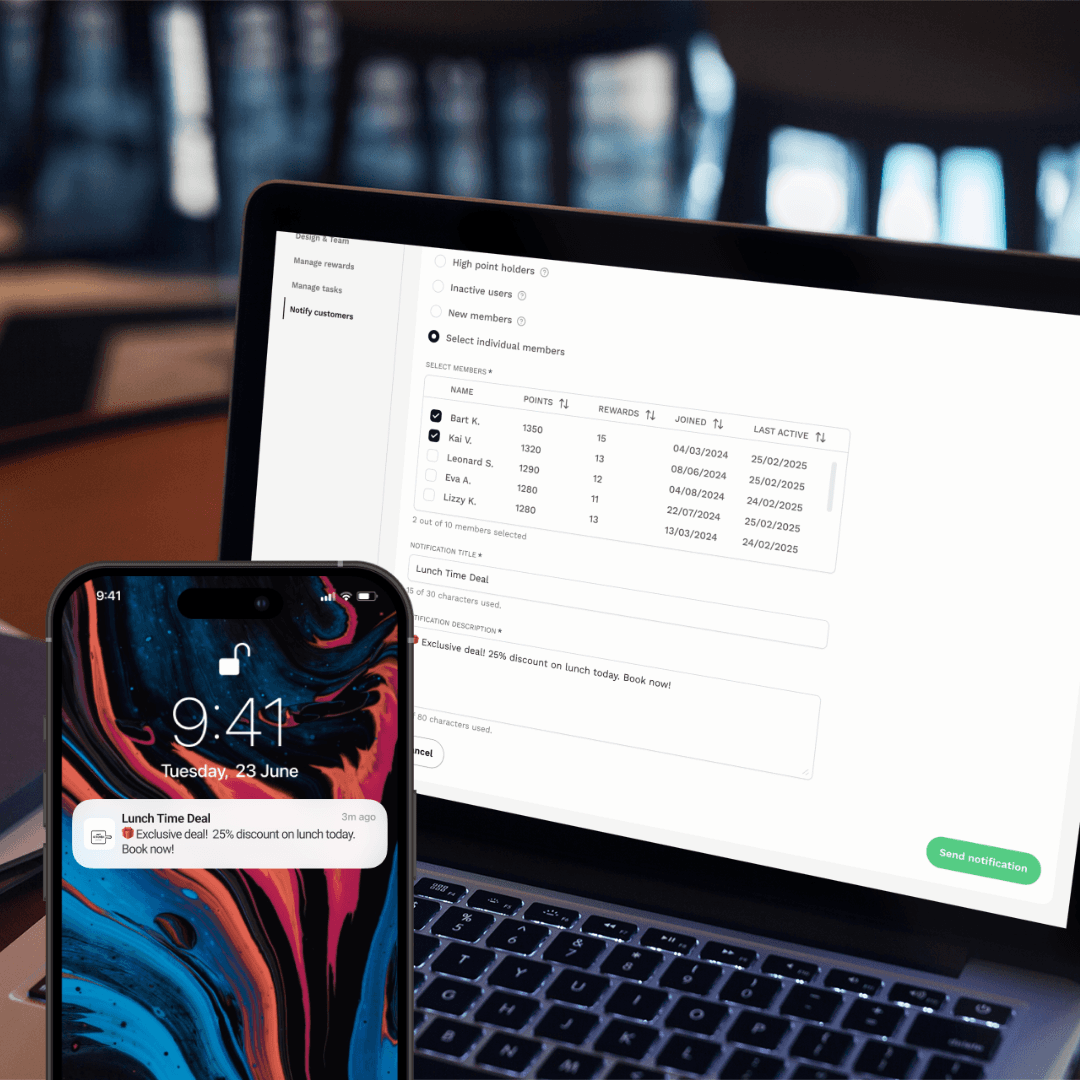
Near-loss nudges - Time email, SMS or in-app alerts 30, 14 and 3 days before expiry with one-click actions to stay active.
Soft landings - Offer a short grace period or a one-time reactivation for lapsed members. Small gestures defuse complaints and recover revenue.
Tier-sensitive rules - More generous validity for higher tiers. It rewards loyalty and reduces backlash from valuable customers.
Make the path obvious - Clearly show expiry dates in the account dashboard, cart and checkout. Include a low-friction action to reset the clock, like booking a mini-service or redeeming a small sample.
Keep support aligned - Provide scripts and self-serve flows for common edge cases, such as orders shipped after the expiry date or delayed returns.
Test copy, timing and channels. Even subtle changes to subject lines or the threshold that triggers reminders can meaningfully increase saves without discounting.
What top beauty brands do today
Publicly available policies across well-known beauty retailers and cosmetics brands show a few consistent patterns you can adopt while tailoring to your audience:
Activity-based validity - Many programs keep points active as long as members engage within a defined window. Engagement often includes purchases, redemptions or specific online actions.
Tier-linked generosity - Higher tiers retain points longer or enjoy non-expiring balances while they maintain status. This anchors perceived fairness and motivates progression.
Promotional point windows - Bonus points from special campaigns may carry shorter validity than standard earn, clearly labeled at earn time and in the wallet.
Transparent dashboards - Prominent expiry timelines in the account area and at checkout reduce surprises and support tickets.
Rolling nudges over cliff edges - Instead of a harsh annual wipe, brands increasingly favor rolling inactivity windows with proactive reminders that drive smaller, steady reactivations.
Operational safeguards - Expiry logic respects order status. Points tied to shipped orders count, while canceled or refunded orders reverse appropriately.
Member-friendly exceptions - One-time courtesy reinstatements for long-time customers or for issues caused by system outages build goodwill.
Retailers with dense purchase frequency lean more confidently into shorter activity windows, while prestige brands and treatment-led businesses tend to allow longer periods that reflect slower replenishment cycles. When you benchmark brands like Sephora, Ulta Beauty or MAC Cosmetics, focus less on exact timelines and more on the principles above, then set durations that match your catalog and cadence.
Quick decision guide
Purchase frequency - Daily to weekly items can sustain shorter windows. Monthly to quarterly routines need longer validity.
Core customer mix - If high-value clients buy a few times a year, avoid rigid fixed dates that burn their balances.
Liability tolerance - Tighten promo-point validity first before touching base points.
Ops maturity - If your data and support processes are early-stage, prefer simpler rules with excellent communication.
Channel coverage - Ensure in-store, online and bookings all count as “activity” if you promise it in your policy.
Evaluating vendors? Read how to choose loyalty software for beauty & wellness for a feature checklist including expiration and notifications.
Warning signs your expiration policy is backfiring
Support spikes - Ticket volume surges around expiry dates and sentiment turns negative.
Low redemption rate - Many points earned, few redeemed, and balances balloon on your books.
Churn in valuable segments - Lapsed members concentrate among high-LTV tiers.
Gaming behaviors - Last-minute micro-redemptions followed by long inactivity suggest the rules feel punitive.
Internal exceptions - Your team frequently overrides the policy to appease customers, signaling misalignment.
FAQs
Is it legal for loyalty points to expire?
In many regions, yes - provided the terms are clear and members are informed. Some jurisdictions regulate gift cards differently from loyalty points. Always check local consumer laws and disclose your policy upfront. This is not legal advice.
How can I prevent Sephora points from expiring?
Policies can change by country. As a rule of thumb, stay active by making a qualifying purchase or redeeming periodically, watch reminder emails and review the program’s terms for what counts as activity and when clocks reset.
Do reward points expire at the end of the year?
Some programs use fixed end-of-year expirations, but many beauty programs rely on activity-based windows. Check your account dashboard for specific dates and any grace periods.
What is the best expiration model for salons, spas and clinics?
Most service-led businesses perform best with activity-based or hybrid rules and longer windows that mirror booking frequency. Add tier-linked benefits and clear reminders to keep the experience customer-friendly.
Ready to tailor a points policy that fits your purchase cycles and channels? With a white-label loyalty platform built for beauty and wellness, you can define points expiration rules, tiers and rewards, integrate online and in-store and orchestrate timely communications that prevent unwanted expirations. Launch faster with no-code tools and keep full control as you scale.

Founder & CEO
Founder & CEO of Authic. Wouter helps businesses build lasting customer relationships through branded loyalty apps that drive engagement, repeat visits, and growth.

Continue reading


We provide the technology and simplicity to turn customers into loyal fans, without the complexity or cost of building it yourself.