Read our latest use case:

The loyalty and activation platform for sports & wellness
Authic plugs into your booking system to turn passive members into active, loyal customers automatically.


2M+ users worldwide every day



Trusted by businesses across industries
Trusted by businesses across industries

























Get more business with your own branded customer loyalty app
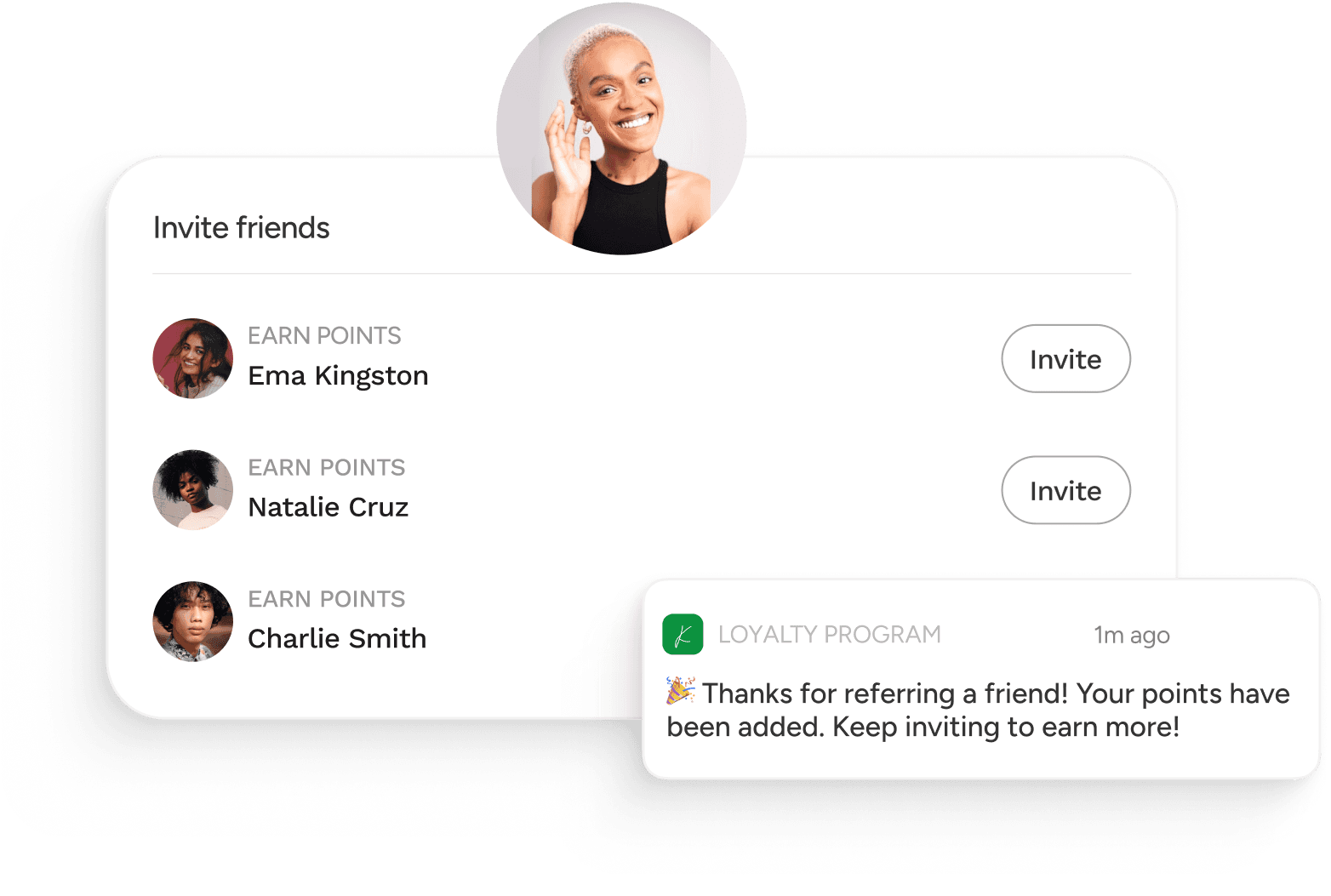
Referral
Launch a referral program to reward customers for bringing in friends and family. Every successful referral earns points, which encourages customers to spread the word about your business.
Repeat visits
Reviews
Social media engagement
Questionnaire
Referral
Launch a referral program to reward customers for bringing in friends and family. Every successful referral earns points, which encourages customers to spread the word about your business.
Repeat visits
Reviews
Social media engagement
Questionnaire
Make it easy for customers to stay engaged and return
Make it easy for customers to stay engaged and return
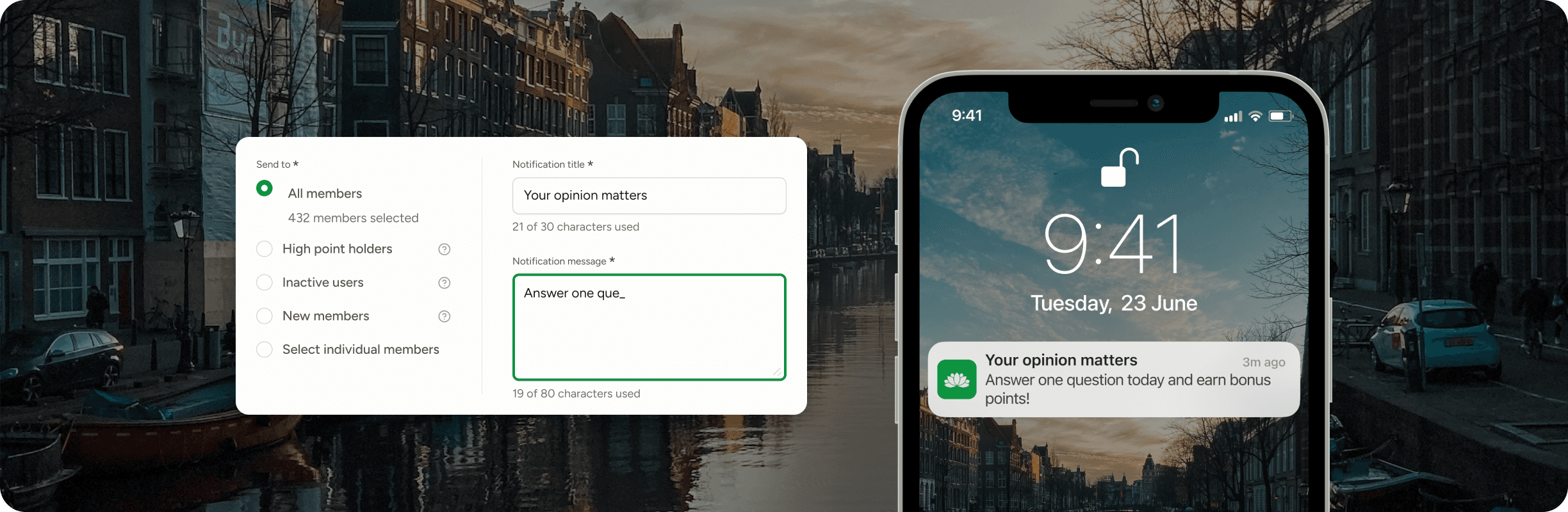
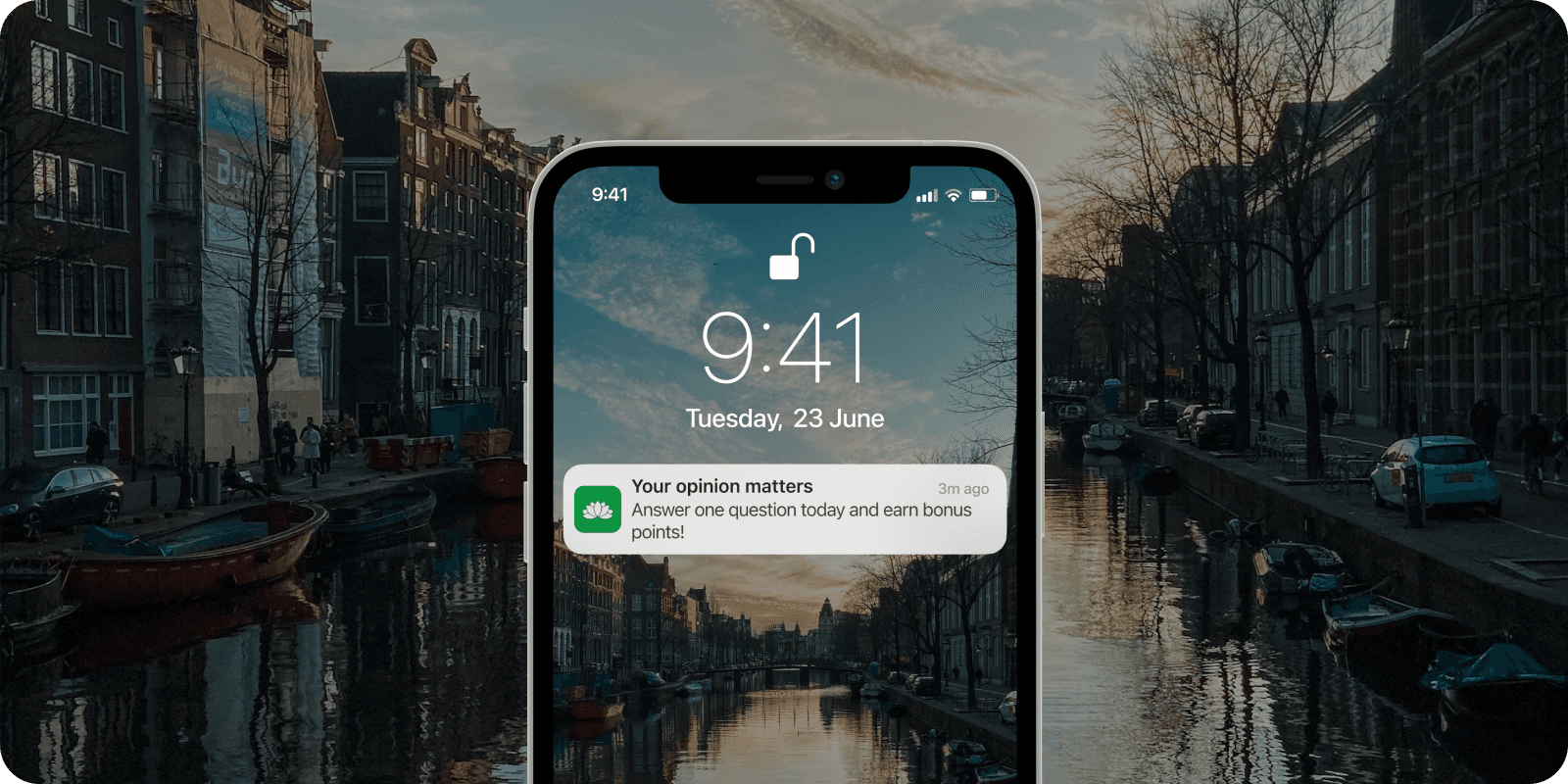
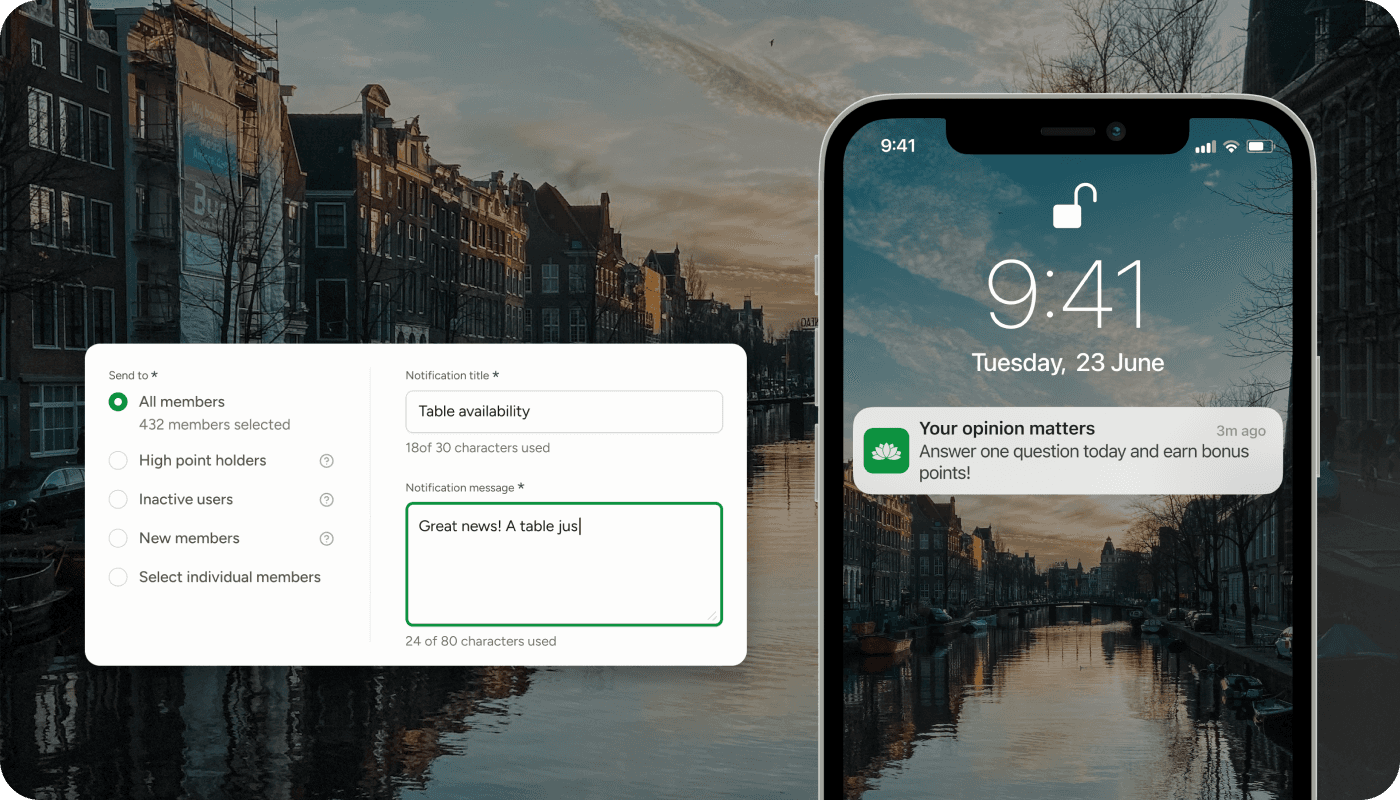
Notifications
Send confirmations, updates, and cancellation notices.
Challenges
Create custom challenges so members earn extra points.
Rewards
Offer personalised reward and surprise gifts to keep members engaged.
Tiers
Build long-term loyalty with milestones that unlock exclusive benefits.
Customer loyalty is essential to building a sustainable business
Build brand awareness
Reach new clients with personalized offers, reminders, and engaging campaigns.
Build brand awareness
Reach new clients with personalized offers, reminders, and engaging campaigns.
Retain more customers
Encourage repeat visits with rewards for bookings and ongoing participation.
Retain more customers
Encourage repeat visits with rewards for bookings and ongoing participation.
Understand client behavior
Track habits to refine services and enhance customer experiences.
Understand client behavior
Track habits to refine services and enhance customer experiences.
Grow your customer base
Attract new clients through reviews, referrals, and social media incentives.
Grow your customer base
Attract new clients through reviews, referrals, and social media incentives.
HOW IT WORKS
Build the perfect loyalty program in 4 steps
1
Brand it your way
Apply your logo, colors and designs. Your loyalty program lives inside your own branded app.
2
Choose what to reward
3
Set the rules
4
Launch and improve



A partner who truly thinks along and delivers!
"For our SKINSIS Clinic, we wanted an app developed that met our needs. Authic delivered perfectly. The team was proactive from day one. The result is a professional and user-friendly app. In short: reliable, creative, and dedicated."

Hanan Merroun, Co-founder


I’ve had a fantastic experience working with Authic.
"From start to finish, their team was professional, responsive, and extremely knowledgeable. They delivered exactly what I needed, a sleek, reliable, and fully-branded app that represents my business perfectly."

Tom Davis, Co-owner


Amazing partner for our new loyalty platform.
"Authic helped us launch Club Peakz Padel, the rewards program that lets players earn points every time they step on court. They have been super flexible and always willing to find creative solutions for any challenges that we have!"

Pim van der Gulik, Digital Marketer

HOW IT WORKS
Build the perfect loyalty program in 4 steps
1
Brand it your way
Apply your logo, colors and designs. Your loyalty program lives inside your own branded app.
2
Choose what to reward
3
Set the rules
4
Launch and improve









API INTEGRATIONS
Integrated with the tools you love
Authic integrates seamlessly with your current software, including booking tools, webshops, and POS systems. This means you can reward clients automatically for bookings or purchases without any extra effort.









API INTEGRATIONS
Integrated with the tools you love
Authic integrates seamlessly with your current software, including booking tools, webshops, and POS systems. This means you can reward clients automatically for bookings or purchases without any extra effort.
API INTEGRATIONS
Integrated with the tools you love
Authic integrates seamlessly with your current software, including booking tools, webshops, and POS systems. This means you can reward clients automatically for bookings or purchases without any extra effort.

CASE STUDY
How Aura Padel increased repeat bookings

CASE STUDY
How DNA Beauty turned luxury clients into repeat visitors

CASE STUDY
How De Troubadour turned guests into a loyal community
HOW IT WORKS
Build the perfect loyalty program in 4 steps
1
Brand it your way
Apply your logo, colors and designs. Your loyalty program lives inside your own branded app.
2
Choose what to reward
3
Set the rules
4
Launch and improve
BLOG
The latest news on customer loyalty
Stay updated on how Authic changes the customer loyalty space

How to Roll Out a Padel Club Loyalty Program
A padel club loyalty program works best when it changes player behavior in simple, visible ways. If you want more repeat bookings, stronger retention, better off-peak occupancy, more referrals, and higher secondary spend, the rollout matters as much as the reward itself. The goal is not to launch more complexity. The goal is to make it easy for players to understand how they earn, why they should care, and what they unlock next.
For most clubs, the fastest path is to launch a simple structure first, connect it to bookings and spend, and then optimize based on real usage. Below, you will find a practical step-by-step rollout plan, examples of loyalty structures that fit padel, the key loyalty program metrics to track, and the common mistakes that slow clubs down.
Start with the behavior you want to increase
Before you choose points, tiers, or perks, decide what success looks like for your club. A loyalty program should support a specific business outcome, not just exist as an extra feature in your app.
Increase repeat court bookings
Boost off-peak play during quieter hours
Grow spend across lessons, café, pro shop, and events
Improve player retention over 30, 60, or 90 days
Encourage referrals and community participation
This is the foundation of how to structure a loyalty program. If your main issue is low weekday daytime usage, reward off-peak bookings. If your club already has healthy utilization but weak retention, reward consistency and streaks. If you want faster word-of-mouth growth, build referral rewards into the program from day one.
Choose a loyalty model that fits padel club behavior
The strongest padel loyalty programs are tied to actions players already take: booking courts, joining clinics, entering events, bringing friends, and spending on-site. In practice, most clubs use one of these structures or combine two of them.
Points-based loyalty
A points model is the easiest starting point for many clubs. Players earn points for activity and redeem them for rewards. It is simple to understand and fast to launch.
Earn points from court bookings
Add points for lessons, tournaments, café spend, or pro shop purchases
Use bonus points for off-peak bookings or last-minute court fills
Let players redeem for free court time, merchandise, drinks, guest passes, or event access
Tiered loyalty
A tiered loyalty program adds progression. Players move through levels such as Silver, Gold, and Platinum based on hours played, spend, or activity over a defined period. This model is strong for retention because it gives players a visible next step.
Tiered rewards work especially well in padel because players respond to status, milestones, and club recognition. If you use tiers, keep them easy to understand and avoid too many levels at launch.
Referral and community rewards
Some of the highest-value actions happen off the court. Inviting friends, hosting a social night, joining club ladders, or sharing match results can all support growth. Community-based rewards are useful if your club wants to accelerate acquisition and strengthen culture at the same time.
Keep the structure simple at launch
One of the biggest rollout mistakes is trying to launch every loyalty mechanic at once. A player should understand the program in seconds, not minutes.
A strong first version usually includes:
1 primary earning logic
2 to 3 reward tiers or a straightforward points system
3 to 5 rewards that are easy to fulfill
1 visible progress indicator
1 or 2 bonus mechanics such as off-peak multipliers or referral bonuses
If players need a long explanation, the structure is too complex. Clear programs outperform clever ones.
Example loyalty structures for padel clubs
Court booking rewards
This is one of the most natural setups for padel. Players earn loyalty value directly from play volume.
1 booking or 1 hour played = fixed number of points
Bonus points for weekday daytime bookings
Reward thresholds tied to free court credit, guest passes, or event access
This model is useful if your priority is repeat bookings and better utilization.
Spend and save model
If your club has meaningful on-site spend, reward more than court activity alone. This helps increase total customer value instead of only booking frequency.
Players earn points from courts, café, lessons, and retail
Higher-value rewards unlock at spend milestones
Tier progression can be linked to rolling 60- or 90-day spend
Streak and consistency rewards
Not every player books large volumes, but many clubs want members to stay active week after week. A streak-based system rewards consistency.
1 active week = at least 1 booking or 1 event check-in
Players unlock rewards after 4, 8, or 12 active weeks
Useful for retention and seasonal reactivation
Referral rewards
Referral mechanics are valuable when you want a loyalty program to drive growth, not just retention. For example, players can earn points or exclusive perks when a friend signs up and books for the first time.
This approach is highly relevant for social sports like padel, where players often bring new players into the club organically.
Pick rewards that feel valuable but stay operationally easy
The best rewards are not always the most expensive. They are the ones players actually care about and your staff can deliver without manual friction.
Good reward examples for a padel club include:
Free court credit
Priority booking windows
Guest passes
Discounts on clinics or events
Grip replacement or selected pro shop items
Exclusive social nights or ladder access
Off-peak booking perks
VIP cards or invite-only benefits for top members
Try to avoid rewards that create too much manual staff work. If a reward cannot be fulfilled consistently, it becomes a weak point in the experience.
How to roll out the program step by step
A practical rollout plan usually moves faster than clubs expect, especially when using a no-code or white-label loyalty platform. The key is to configure only what you need for version one and leave advanced optimization for later.
1. Define your primary KPI
Choose one main target for the first 90 days. That could be repeat bookings, referral conversions, off-peak fill rate, or higher average spend per active player. This keeps your loyalty strategy focused and makes reporting much clearer.
2. Set your earning rules
Decide which actions earn rewards. For a padel club, this often includes court bookings, lessons, purchases, event sign-ups, and referrals. Keep the logic transparent so players know exactly how to progress.
3. Build your reward catalog
Start with a small reward set that covers quick wins and aspirational rewards. For example, a low threshold reward could be a café voucher, while a higher threshold reward could be court credit or early access to league registrations.
4. Add progression and visibility
Players need to see where they stand. A visible points balance, tier status, or progress bar increases engagement because progress becomes tangible. This is one reason tiered loyalty and mobile wallet or app-based loyalty experiences often perform well.
5. Connect data sources
Your loyalty program should reflect real behavior automatically. In most setups, that means connecting bookings, POS activity, referrals, and campaign data through native integrations, CSV import, or a loyalty API. The less manual work involved, the easier your rollout becomes. This is where integrating loyalty with your booking and POS systems becomes important.
6. Brand the experience
If you launch through a branded app or white-label loyalty platform, keep the program under your own club identity. Consistent branding improves trust and makes the loyalty program feel like part of the club experience rather than an external add-on.
7. Test before going live
Run through the full player journey before launch. Test point accrual, reward redemption, referral links, notifications, and edge cases. A loyalty program loses momentum fast if the first users encounter confusion or broken rewards.
8. Launch with clear communication
Explain the program in plain language across your app, website, front desk, email, and push notifications. Players should know:
How they earn
What they can unlock
Why joining is worth it now
What bonus is available at launch
9. Review performance weekly
After launch, track behavior changes and reward usage. If players join but do not redeem, your rewards may lack urgency or relevance. If players redeem quickly but profitability drops, thresholds may be too low. Loyalty rollout is not just setup. It is ongoing optimization.
Use off-peak rewards to improve court utilization
Many padel clubs do not need more demand at peak times. They need better demand distribution. A loyalty program can help by making quieter slots more attractive without reducing your perceived value across the board.
Double points for weekday mornings or afternoons
Extra rewards for last-minute bookings
Challenges tied to low-occupancy times
Exclusive perks unlocked through off-peak usage
This approach is one of the most practical ways to increase occupancy while keeping the program measurable. It is also highly relevant for clubs asking how much money does a padel club make, because better court utilization directly affects revenue capacity.
Measure the loyalty program metrics that actually matter
Do not judge the rollout by sign-ups alone. A strong padel club loyalty program should change player behavior and business outcomes.
Track metrics such as:
Active loyalty members
Repeat booking rate
30-, 60-, and 90-day retention
Off-peak fill rate
Average spend per active player
Reward redemption rate
Referral conversion rate
Tier progression or points engagement
If possible, compare loyalty members versus non-members. That gives you a clearer view of revenue impact and helps justify further investment in rewards, campaigns, and retention flows. You should also calculate your loyalty program ROI to measure performance after launch.
Common rollout mistakes to avoid
Launching with too many rules and exceptions
Choosing rewards with low perceived value
Making progress hard to see
Relying on manual tracking or manual fulfillment
Ignoring off-peak incentives
Launching quietly without enough promotion
Tracking joins but not behavioral impact
If you avoid these mistakes, your first version will be easier to understand, faster to launch, and much easier to optimize.
What a modern rollout can look like in practice
For clubs that want to launch fast, a white-label loyalty platform can remove a lot of technical friction. Authic is built for this kind of rollout, with features such as points, tiers, VIP cards, referrals, wallet cards, notifications, analytics, and loyalty API connections. That means a padel club can launch under its own brand without building custom software from scratch.
This matters because speed alone is not enough. You also need a setup that helps you automate earning logic, campaign triggers, reward fulfillment, and reporting. A branded loyalty app or no-code setup can shorten the path from idea to live program while keeping the member experience consistent. If you are evaluating platforms, review the loyalty software features to look for before making a decision.
In practice, padel clubs often start with booking rewards, referral incentives, and off-peak campaigns, then expand into more advanced mechanics such as VIP tiers and targeted notifications once the first data comes in.
FAQ about rolling out a padel club loyalty program
How should you structure a loyalty program for a padel club?
Start with one core behavior you want to increase, such as repeat bookings or off-peak play. Then build a simple earning model around it, choose a small set of relevant rewards, and make progress easy to track through points or tiers.
Are tiers better than points for padel clubs?
Not always. Points are often easier to launch and understand, while tiers are stronger for long-term engagement and status-based motivation. Many clubs combine both by using points for redemption and tiers for progression.
What rewards work best for padel players?
Rewards tied to the club experience usually perform best. Think court credit, priority booking, guest passes, clinics, event access, selected retail items, and off-peak perks. The best reward mix depends on what your players value and what your club can fulfill smoothly.
How long does it take to launch a padel loyalty program?
With a no-code or white-label setup, a first version can often be launched quickly, especially if your booking and spend data can be connected without custom development. The real timeline depends on your integrations, reward logic, and internal approval process.
Should a padel club include referrals in its loyalty program?
Yes, if growth is a priority. Padel is a social sport, so referral incentives often fit naturally. Rewarding players for bringing in new members or new bookings can support acquisition without making the program harder to understand.
What are the three R's of loyalty programs?
A practical way to think about them is reward, recognition, and retention. Players want meaningful value, visible acknowledgment for their activity, and a reason to keep coming back instead of drifting to another club.
11

How to Build Clientele as a Hairstylist
Building a strong client base as a hairstylist rarely comes from one viral post or a stack of business cards. It comes from a repeatable system: getting noticed by the right people, giving them a reason to book, delivering a service worth talking about, and making it easy for them to come back. If you want to know how to build clientele as a hairstylist, the fastest path is to focus on both acquisition and retention from day one.
That matters whether you are fresh out of cosmetology school, starting in a new salon, renting a suite, or rebuilding after a move. Many stylists search for how to gain clientele as a hairstylist when the real question is bigger: how do you become booked consistently, with clients who return, refer, and spend more over time? This guide breaks that down into practical steps you can use right away.
Start with a clear client growth strategy, not random promotion
If you are trying to build your clientele as a hairstylist, avoid doing everything at once. Posting daily, handing out flyers, running discounts, and joining every platform can create activity without creating appointments. A better approach is to build a simple growth system around four stages:
Visibility - people in your target market need to discover you
Conversion - they need a clear reason and easy way to book
Experience - your service has to justify a second appointment
Retention - you need follow-up, rebooking, and referral triggers
This is where many hairstylists get stuck. They focus heavily on getting new eyes on their work but spend too little time on the systems that turn one appointment into six. If your goal is to grow your clientele as a hairstylist, retention is not secondary. It is a growth channel.
Define who you want to attract before you market yourself
One of the fastest ways to build clientele in a salon is to stop trying to appeal to everyone. Clients respond faster when they can instantly tell what you are good at and whether you are the right fit. That does not mean you must reject all other work. It means your marketing should lead with a clear specialty or client profile.
You might be known for lived-in blondes, gray blending, textured cuts, vivid color, extensions, bridal styling, or low-maintenance color for busy professionals. When your positioning is specific, your content becomes easier to create, referrals become more accurate, and your profile is more memorable.
A simple positioning formula is:
Who you help
What result you help them achieve
What makes your approach different
For example: helping busy women maintain expensive-looking blondes with lower-maintenance appointments is more compelling than simply saying you do hair. This also helps if you are figuring out how to build clientele as a new hairstylist, because clarity can make up for limited experience.
Make your online presence easy to trust and easy to book
Before a client books, they usually check your Instagram, Google presence, booking page, and sometimes your website. If those touchpoints feel inconsistent, outdated, or confusing, you lose clients before they ever contact you. Stylists often think they have a lead problem when they actually have a trust problem.
Your essential booking journey should include:
A clear bio that explains your specialty and location
Recent photos of your work that reflect the services you want more of
Pricing or starting prices where appropriate
A straightforward booking link
Service descriptions clients can understand
Basic new-client guidance, such as consultation steps or appointment prep
If you have a salon website, make sure it supports conversion rather than acting like a brochure. A strong site can help answer the practical side of how to build up clientele as a hairstylist by giving potential clients confidence, reducing booking friction, and collecting traffic from search. Even a simple site with service pages, a gallery, an about section, and an online booking flow can outperform social media alone.
Use social media to attract the right clients, not just likes
Social media is one of the most common answers to how to build my clientele as a hairstylist, but most advice stays too broad. Posting more is not a strategy. What works is content that speaks to a specific client, shows visible transformation, and points people toward a next step.
Focus your content around these categories:
Transformation content - before and after photos, color corrections, big changes
Educational content - maintenance tips, product advice, what to expect from a service
Decision-making content - who a service is best for, timing, upkeep, budget expectations
Trust content - consultation clips, your process, salon environment, personality
Offer content - new client openings, package highlights, seasonal services
Good content does not just showcase technique. It helps the viewer picture themselves in your chair. A caption that explains who the result is for, how often maintenance is needed, and what was done is often more persuasive than a photo alone.
What to post if you want more appointments
Before and after results with service details
Short videos of toning, cutting, styling, or extension installs
Common client questions answered in simple language
Examples of low-maintenance versus high-maintenance looks
Posts explaining which service to book first
Limited availability posts with a clear call to action
Video is especially useful because it builds familiarity quickly. Clients can see your personality, your communication style, and the quality of your results in a way static images cannot always deliver. If you feel unsure on camera, keep it simple. Show hands-on work, add text overlays, and speak only when it adds clarity. You can also market your services on Instagram more effectively by pairing strong visuals with clear booking prompts.
Turn every appointment into a retention opportunity
If you want to grow your clientele as a hairstylist, the biggest mistake is treating the appointment as the finish line. It is actually the midpoint. The most profitable clients are not the ones who book once. They are the ones who come back regularly, buy additional services, and refer others.
Retention starts during the service itself. Great hair helps, but so do expectations, communication, timing, and follow-through. Clients return when they feel understood and confident about the result long after they leave.
To improve retention, build these habits into every appointment:
Run a proper consultation instead of guessing what the client means
Set realistic expectations on tone, timing, upkeep, and budget
Recommend a maintenance plan based on their lifestyle
Explain what products or aftercare support the result
Suggest the next visit before checkout
This is often overlooked by stylists focused on how to build clientele as a cosmetologist or hairstylist, but strong retention makes every acquisition tactic work harder. When your retention improves, you need fewer new clients to stay full.
Rebook before the client leaves the chair
One of the highest-impact ways to build your clientele as a hairstylist is also one of the simplest: rebook the next appointment before the current one ends. Waiting for clients to remember later leads to lost revenue, longer gaps, and more no-shows.
Rebooking works best when it feels helpful, not pushy. Tie the next appointment to the client’s hair goals. If a blonde needs glossing in eight weeks or extensions need maintenance in six, tell them clearly and offer the booking while the result is fresh in their mind.
Helpful ways to frame it include:
Your color will still look its best if we refresh it in about eight weeks
If you want to keep this shape, I would book your next trim now
Let’s lock in your ideal maintenance date before the schedule fills up
For salon owners and independent stylists, this gets even better when paired with reminders, personalized offers, and segmented messaging. Tools like a branded loyalty app can support this by nudging clients back in at the right moment, tracking engagement, and making repeat bookings feel effortless instead of manual.
Build a referral system instead of just hoping clients spread the word
Referrals remain one of the best answers to how to gain clientele as a hairstylist because referred clients arrive with built-in trust. They are also more likely to match your ideal client if your current clients already fit the profile you want more of.
But referrals should not be passive. Many stylists say they rely on word of mouth while doing very little to trigger it. A referral system works better when it is clear, easy to share, and rewarding enough to remember.
Your referral strategy can include:
A simple give-and-get offer for both the current and new client
A referral code or link that is easy to pass along
A reminder after a successful appointment when the client is happiest
A follow-up message with a shareable referral incentive
If you work in a salon environment, this is one of the most scalable ways to build clientele in a salon because your happy clients can become ongoing acquisition channels. For businesses that want more structure, learning how to create a referral program can reduce admin and make tracking far easier than handling everything manually.
Referral ideas that fit hairstylists well
Service credit after a referred client completes their first appointment
Bonus points redeemable for add-ons or retail
Priority booking access for top referrers
A free treatment or gloss add-on after a set number of successful referrals
Create a client experience people want to talk about
Technical skill gets clients interested. Experience gets them loyal. If you are learning how to build clientele as a new hairstylist, client experience is one of the best places to outperform people with more years behind the chair.
Small details shape whether a client sees you as replaceable or worth returning to:
Starting on time
Listening carefully during consultation
Keeping the appointment flow calm and organized
Checking comfort during long color services
Giving realistic maintenance advice
Following up after major transformations when appropriate
Clients remember how you made them feel as much as how their hair looked that day. A polished experience also makes social sharing and referrals more likely because people naturally talk about businesses that feel thoughtful and consistent.
Use local partnerships to reach clients already in your area
If you are trying to build up clientele as a hairstylist in a specific town or neighborhood, local partnerships can bring in highly relevant attention. This works especially well when your ideal clients already spend money nearby.
Look for businesses with overlapping audiences, such as:
Boutiques
Bridal shops
Nail salons
Spas and skin clinics
Cafes with strong local traffic
Fitness studios with a similar client demographic
The goal is not to drop off generic flyers. It is to create mutually useful collaboration. That could mean a co-hosted event, a new client gift, a giveaway, a shared social post, or an exclusive offer for each other's customers. This kind of relationship-based marketing is often stronger than broad promotion because it feels more personal and local.
Track what actually brings bookings
A lot of stylists work hard on marketing but never identify what is producing real appointments. If you want a reliable answer to how to build your clientele as a hairstylist, track lead sources and repeat behavior. Otherwise you cannot improve your system.
At minimum, track:
How new clients found you
Which services first-time clients book most
How many first-time clients rebook
How many referrals each client generates
Which campaigns drive actual appointments, not just clicks
This is where digital tools can create an advantage. Instead of guessing which messages work, systems that segment clients, trigger targeted push notifications, and tie loyalty or referral actions to real bookings can make growth measurable. For salons that want less manual admin, that kind of setup helps turn scattered marketing into a repeatable client growth engine.
How long does it take to build clientele as a hairstylist?
The honest answer depends on your location, pricing, skill level, specialty, consistency, and the systems you use. Most hairstylists do not build a full book overnight. It often takes months of steady marketing and even longer if retention is weak.
What speeds the process up is not just more promotion. It is combining the right channels:
A clear niche or specialty
Strong visual proof of your work
Easy online booking
Consistent rebooking habits
A structured referral offer
Retention messaging that brings clients back at the right time
So if you are asking how long it takes to build clientele as a hairstylist, think in terms of systems rather than luck. A stylist with average traffic and strong retention can grow faster than a stylist with high visibility and poor follow-up.
What to focus on if you are starting from zero
If you are new to the industry or rebuilding after a move, simplify your priorities. The question how to build clientele as a hairstylist can feel overwhelming when there are dozens of tactics available. Start with the few that create the most momentum.
Choose a clear service focus or client type
Set up your booking path and social profiles properly
Post proof of work consistently
Ask every satisfied client to rebook
Launch a simple referral offer
Follow up with clients who are due to return
Once those basics are working, add partnerships, promotions, automation, and loyalty mechanics. Growth becomes much easier when your foundation is clear.
FAQ about building hairstylist clientele
How do I build clientele as a hairstylist if I am shy?
You do not need to be the loudest stylist in the room. Clear positioning, strong content, good consultations, and consistent follow-up can do a lot of the work for you. If in-person networking feels hard, lean into before and after content, educational posts, referral systems, and booking reminders.
How to build confidence as a hairstylist while growing a client base?
Confidence usually grows from preparation and repetition. Improve your consultations, keep practicing your specialty, document your results, and review what clients respond to best. A clear process makes you feel more confident because you are not relying on improvisation every time.
What is the best way to build clientele as a new hairstylist?
The best starting combination is a clear niche, visible proof of your work, a simple booking process, and strong rebooking habits. New stylists often assume they need advanced marketing first, but retention and referrals can create momentum quickly when early clients have a great experience.
How can I build clientele in a salon without cutting my prices too much?
Competing on price alone attracts lower-loyalty clients and can hurt your income long term. Focus on value instead: better consultations, visible results, convenient booking, referral rewards, add-on offers, and a smoother client journey. People pay for trust, fit, and consistency, not just the lowest number.
Does social media alone work for hairstylist client growth?
It can generate awareness, but by itself it is usually not enough. Social media works best when paired with a clear offer, easy booking, rebooking habits, follow-up messages, and referral systems. Visibility matters, but conversion and retention matter just as much.
Should I use a loyalty program to grow my salon client base?
Yes, especially if your goal is not just more first-time bookings but stronger retention. A good loyalty setup can reward visits, referrals, purchases, and engagement. For salons that want to scale this without extra admin, a branded solution like Authic can help centralize loyalty, referrals, segmentation, and repeat booking communication in one place.
Build a client base that grows through repeat business
If you want to know how to build clientele as a hairstylist, the most effective answer is to stop thinking only about getting noticed and start building a system that keeps clients connected to you. Strong positioning brings in better-fit clients. Great service keeps them. Rebooking, referrals, and loyalty turn one appointment into long-term revenue.
That is true whether you are figuring out how to build clientele as a cosmetologist, how to build clientele as a new hairstylist, or how to grow your clientele as a hairstylist in an established salon. The stylists who fill their books most consistently are usually not doing one magic thing. They are doing the fundamentals better and more consistently than everyone else. If you need more ideas to attract new salon clients, local visibility, referrals, and retention should work together rather than separately.
13

Card Linking and White Label Loyalty Platforms
Card linking and white label loyalty platforms solve two important loyalty challenges at once: making rewards easier for customers to use, and giving brands full control over the loyalty experience. If you want a program that feels native to your business instead of a third-party add-on, this model is often the most practical route. You can launch faster, keep your branding consistent, connect loyalty to your existing systems, and create a smoother customer journey across app, wallet, point of sale, booking flow, and marketing channels.
For many brands, the real value is not just rewards. It is better retention, more repeat purchases, stronger first-party data, and the ability to automate engagement based on real customer behavior. That is why searches around card linking and white label loyalty platforms often come from businesses comparing infrastructure, integrations, control, and long-term flexibility rather than looking for a simple points tool.
What card linking means in loyalty
Card linking is a loyalty approach where customer payment cards or similar identifiers are connected to a rewards system so purchases can trigger loyalty actions automatically. Instead of asking customers to remember separate steps every time they buy, the program can recognize eligible transactions and apply rewards, points, cashback, perks, or status progress with less friction.
In practice, businesses may use different technical models to create this experience. Some rely on payment-linked mechanics, while others connect loyalty through app activity, wallet cards, point-of-sale data, booking systems, or e-commerce events. The core idea stays the same: reduce the gap between transaction and reward so customers are more likely to participate consistently.
That convenience matters because loyalty programs often fail when redemption feels complicated or when customers forget they are even members. A more connected setup makes the program easier to use and easier to scale.
What a white label loyalty platform does
A white label loyalty platform gives you the loyalty infrastructure while allowing the full customer-facing experience to stay under your own brand. If you need a clearer foundation first, it helps to understand how a white-label loyalty platform works. Your logo, colors, messaging, app environment, and user journey remain yours, rather than being overshadowed by a third-party provider.
This matters for brands that want loyalty to feel like part of their product or service experience. In sectors like sports, wellness, beauty, hospitality, and healthcare, the customer relationship is personal and recurring. A generic loyalty layer can weaken that experience. A white label setup supports branded interactions from onboarding to reward redemption and re-engagement campaigns.
It also gives you more operational freedom. Instead of replacing your full stack, you can often start with a no-code or low-code setup and then connect deeper through API integrations when needed.
Why these platforms are increasingly used together
Card linking and white label loyalty platforms are often evaluated together because they serve the same strategic goal: making loyalty feel effortless for the customer while keeping ownership with the brand. One improves participation by lowering friction. The other improves control by letting you shape the program around your business model, channels, and data strategy.
This combination is attractive for businesses that want to avoid the trade-off between speed and flexibility. Building custom loyalty infrastructure from scratch can be slow and expensive. Using a rigid third-party program can limit branding, data ownership, and integrations. A white label platform with connected loyalty mechanics gives you a middle path: faster launch, more control, and room to expand.
Core benefits for brands and operators
Faster launch without a fully custom build
Most businesses do not need to build loyalty infrastructure from zero. A strong white label platform lets you go live much faster with prebuilt logic for points, rewards, referrals, tiers, messaging, and reporting. That shortens time to market and lowers implementation risk.
Branded customer experience
Customers interact with your brand, not a loyalty vendor. This supports trust, consistency, and stronger recognition across mobile app, wallet pass, emails, notifications, and on-site or in-store experiences.
Lower friction in earning and redeeming
Connected loyalty mechanics help reduce the number of steps required from customers. The easier it is to earn and redeem, the more likely people are to come back and engage again.
Better data and segmentation
When loyalty is integrated into your own stack, you can use behavior, transaction history, visit frequency, campaign response, and reward usage to build sharper customer segments and more relevant campaigns.
Recurring retention gains
Loyalty works best when it drives repeat behavior over time. A branded platform lets you build recurring journeys around milestones, inactivity, referrals, birthdays, tier progress, or off-peak demand.
How connected loyalty experiences usually work
Not every platform supports the same setup, but most strong systems follow a similar logic. The loyalty engine collects customer events, applies program rules, and triggers the right outcome. Those events can come from physical locations, booking tools, webshops, apps, customer management systems, or marketing tools.
A typical flow looks like this:
Customer joins the loyalty program through an app, wallet pass, signup form, or staff-assisted flow
A transaction or action is captured through POS, e-commerce, booking, or another connected source
The platform evaluates the event against rules such as points earned, tier progression, reward eligibility, or referral completion
The customer receives an update through the branded app, wallet card, email, or push notification
Your team can track performance in analytics and adjust campaigns or rules
This is where API-first loyalty platforms stand out. They let you connect loyalty to the systems you already use, instead of forcing your business into a fixed workflow. A robust loyalty API is especially important when transaction, payment, or customer data needs to flow between multiple tools.
Features that matter most in card linking and white label loyalty platforms
Across the top-ranking content, the pattern is clear: the market cares most about branding, integrations, automation, analytics, scalability, and operational control. If you are comparing vendors, those are the areas that deserve the closest review.
Branding and white label customization
A true white label platform should support more than just a logo swap. Look for control over app branding, visual identity, copy, reward naming, customer messaging, and the overall user journey. If the provider offers a branded app published under your name in the App Store and Google Play, that usually signals a stronger white label model than a generic shared environment.
Loyalty mechanics and reward flexibility
The platform should support the loyalty structure that fits your business, whether that means points, vouchers, referrals, tiers, perks, wallet cards, promotions, or behavior-based incentives. Flexibility matters because a salon, sports club, clinic, and hospitality concept do not all reward the same actions.
API and integration options
Integration depth is critical. A useful loyalty platform should connect with the systems that already shape your customer journey, such as:
POS systems
Online booking tools
E-commerce platforms
Customer management systems
Email marketing tools
Customer data platforms
If your workflow is more complex, custom integrations can become just as important as native ones.
Automation and triggered engagement
Look for event-based messaging and workflow automation. Useful triggers include first visit, repeat purchase milestones, inactive members, tier upgrades, reward expiry, referrals, and off-peak incentives. This turns loyalty from a static program into an active retention engine.
Analytics and reporting
You should be able to measure member growth, repeat visit rate, redemption, reward usage, referral activity, campaign performance, and customer behavior over time. Reporting is not just for dashboards. It should help you decide which incentives actually change behavior.
Mobile and wallet experience
For many loyalty programs, mobile access is essential. Customers want quick visibility into points, rewards, and membership status. Wallet cards can also help keep the program visible without requiring users to search for an email or log in from scratch.
What to check if card linking is part of your requirements
The phrase card linking can mean slightly different things depending on the provider. Some platforms support direct payment-linked reward logic. Others create a connected experience through wallet cards, app identification, POS events, or transaction-sync integrations. That is why businesses should validate the exact model before choosing a platform.
Ask these questions during evaluation:
How does the platform identify a customer at purchase?
Does it rely on payment card linking, wallet cards, app membership ID, phone number, QR, POS sync, or another method?
Which transaction sources can trigger loyalty actions?
Can online and offline activity be combined into one member profile?
How are refunds, partial payments, and failed transactions handled?
What customer data is stored, and where does ownership sit?
Can the experience be fully branded end to end?
These questions matter because a platform can still be excellent for connected loyalty even if it does not market itself explicitly as a standalone card linking product. What matters most is the underlying customer recognition and reward logic.
How Authic fits into this landscape
Authic is relevant in this category because it offers a white-label loyalty platform with a branded loyalty app, loyalty API, wallet card support, and integrations with systems such as booking tools, e-commerce, customer management platforms, email marketing tools, POS systems, and customer data platforms. That makes it a strong fit for brands that want a connected loyalty setup under their own name.
It is important to be precise here: Authic publicly positions itself clearly around white label loyalty, branded apps, loyalty infrastructure, and integrations, but it does not appear to present card linking as a separate, explicit standalone product category on its site. So if your internal requirement is specifically payment-card-linked loyalty, you should confirm the exact implementation model with the team. If your goal is broader connected loyalty across app, wallet, POS, booking, and marketing flows, Authic is much easier to place in the category.
For businesses in sports, wellness, beauty, hospitality, and related service models, this can be especially useful because loyalty often depends on repeat visits, recurring bookings, and personalized communication rather than one-off transactions alone.
When a white label loyalty platform is a better choice than a generic rewards tool
A generic rewards tool can work if loyalty is a light add-on and your brand does not need much customization. But a white label loyalty platform is usually the better option when loyalty is part of your core retention strategy.
It tends to be the stronger choice when you need:
Your own branded app or customer-facing environment
Control over customer data and communications
Integration with your existing systems
Multiple loyalty mechanics beyond basic points
Scalability across locations, teams, or business units
Freedom to evolve the program over time
This is one reason white label loyalty software appears so often in competitive searches. Businesses are not only buying features. They are buying infrastructure that can support retention for years.
Use cases where connected loyalty can create measurable value
Sports and clubs
Reward attendance, referrals, off-peak bookings, event participation, and community engagement. Loyalty can help smooth demand and increase repeat activity among active members.
Beauty and wellness
Encourage repeat visits, treatment series completion, product add-ons, and member referrals. Automated reminders and tier incentives can increase visit frequency.
Hospitality
Connect loyalty to bookings, repeat stays, food and beverage spend, and promotional campaigns. A branded mobile experience can make perks more visible and easier to redeem.
Healthcare and clinics
Where appropriate and compliant, loyalty-adjacent engagement can support repeat services, retention, education, and communication. The main advantage is usually a better structured customer journey rather than discount-led tactics.
How to evaluate vendors without getting lost in feature lists
Long feature inventories can look impressive, but the best choice usually comes down to a smaller set of operational questions. Use the table below to compare platforms more clearly.
Evaluation area | What to look for | Why it matters
|
|---|---|---|
Branding | Fully branded app, wallet cards, messaging, and customer journey | Keeps loyalty native to your brand |
Integrations | POS, booking, e-commerce, CRM, email, CDP, API access | Reduces manual work and improves data quality |
Loyalty logic | Points, tiers, rewards, referrals, vouchers, triggers | Lets you match incentives to customer behavior |
Customer recognition | Card linking model, wallet card, QR, app ID, transaction sync | Determines how frictionless the experience feels |
Analytics | Retention, redemption, repeat visits, campaign performance | Shows whether the program changes behavior |
Scalability | Multi-location support, role management, extensibility | Prepares the program for growth |
Launch support | Onboarding, setup guidance, program design help | Improves speed and reduces implementation risk |
Common mistakes when choosing a platform
Assuming card linking means the same thing across all vendors
Choosing a platform based on front-end appearance alone
Ignoring integration depth until late in the process
Focusing on points while neglecting messaging and automation
Overlooking data ownership and reporting requirements
Selecting a tool that works today but cannot scale with your customer journey
Most loyalty issues appear after launch, not before it. That is why infrastructure decisions matter more than a polished demo alone. If you are comparing options, a practical white-label platform features checklist can help keep the review focused on the capabilities that actually affect delivery.
FAQ about card linking and white label loyalty platforms
What is a card linking loyalty platform?
A card linking loyalty platform connects a customer identifier to purchase activity so rewards can be applied with less manual effort. Depending on the provider, this may involve payment-linked logic, wallet cards, app identity, POS-linked events, or other transaction recognition methods.
What is a white label loyalty platform?
A white label loyalty platform gives you the underlying loyalty technology while allowing the customer-facing experience to remain fully branded as your own. That can include your app, visual identity, messaging, rewards, and communication flows.
Are card linking and white label loyalty platforms the same thing?
No. Card linking describes how customer purchases or actions are recognized for rewards. White label describes how the loyalty platform is branded and delivered. A platform can support one, the other, or both depending on its setup.
Why do businesses choose white label loyalty software over custom development?
Usually because it launches faster, costs less than building from scratch, and still offers strong control over branding, integrations, and loyalty logic. It is often the most practical balance between speed and flexibility.
Which integrations matter most for connected loyalty?
The most important ones are usually POS systems, booking platforms, e-commerce tools, CRM or customer management systems, email marketing tools, and customer data platforms. The right mix depends on how your customers buy and how your teams operate.
Can a loyalty platform work without a dedicated app?
Yes, but an app can improve visibility, engagement, and convenience. Some programs also use wallet cards, email, SMS, or web-based member areas. The best setup depends on how often customers interact with your brand and how much engagement you want to drive. Teams also sometimes compare mobile SDK vs web integration when deciding how loyalty should appear in the customer experience.
What should you ask a vendor if card linking is a priority?
Ask exactly how customer recognition works, which systems capture transactions, how rewards are triggered, how exceptions are handled, and whether the experience can be fully branded. This helps you separate true connected loyalty capabilities from vague product language.
Is Authic a fit for businesses looking at white label loyalty platforms?
Yes, especially if you want a branded loyalty app, wallet card support, integrations, and API-based flexibility. If you need a very specific payment-card-linked setup, you should confirm that implementation model directly, since Authic does not publicly frame card linking as a separate standalone product category. If you are still assessing partners, this is also a good stage to review how to choose a white-label loyalty provider.
13
FAQ
Frequently asked questions
Everything you need to know about launching your loyalty app. Can't find what you're looking for?
What does Authic actually do?
Authic gives you your own branded loyalty app fully tailored to your business. Your customers join by downloading your loyalty app, where they can earn points, claim rewards, and stay connected. We handle the tech behind the scenes so you can focus on your customers.
What does white-label really mean?
How quickly can we launch?
How do customers get the app?
Is it easy to manage?
What kind of customer data do I get?
Can it connect to my existing systems?
FAQ
Frequently asked questions
Everything you need to know about launching your loyalty app. Can't find what you're looking for?
What does Authic actually do?
Authic gives you your own branded loyalty app fully tailored to your business. Your customers join by downloading your loyalty app, where they can earn points, claim rewards, and stay connected. We handle the tech behind the scenes so you can focus on your customers.
What does white-label really mean?
How quickly can we launch?
How do customers get the app?
Is it easy to manage?
What kind of customer data do I get?
Can it connect to my existing systems?
FAQ
Frequently asked questions
Everything you need to know about launching your loyalty app. Can't find what you're looking for?
What does Authic actually do?
Authic gives you your own branded loyalty app fully tailored to your business. Your customers join by downloading your loyalty app, where they can earn points, claim rewards, and stay connected. We handle the tech behind the scenes so you can focus on your customers.
What does white-label really mean?
How quickly can we launch?
How do customers get the app?
Is it easy to manage?
What kind of customer data do I get?
Can it connect to my existing systems?
NEWSLETTER
Get loyalty insights delivered weekly
Join 5000+ business owners getting actionable tips to boost customer retention and grow their business
Loyalty tips and strategies
Early access to new features
Exclusive discounts and offers

Join 5,000+ subscribers

Launch your own loyalty app. Reward customers, track visits, and boost retention.


Industries
Loyalty Toolkit
Loyalty Toolkit
© 2026 Authic Labs
Launch your own loyalty app. Reward customers, track visits, and boost retention.
Industries
Loyalty Toolkit
© 2026 Authic Labs
Industries
Loyalty Toolkit
Loyalty Toolkit
© 2026 Authic Labs
BLOG
The latest news on customer loyalty
How to Roll Out a Padel Club Loyalty Program
A padel club loyalty program works best when it changes player behavior in simple, visible ways. If you want more repeat bookings, stronger retention, better off-peak occupancy, more referrals, and higher secondary spend, the rollout matters as much as the reward itself. The goal is not to launch more complexity. The goal is to make it easy for players to understand how they earn, why they should care, and what they unlock next.
For most clubs, the fastest path is to launch a simple structure first, connect it to bookings and spend, and then optimize based on real usage. Below, you will find a practical step-by-step rollout plan, examples of loyalty structures that fit padel, the key loyalty program metrics to track, and the common mistakes that slow clubs down.
Start with the behavior you want to increase
Before you choose points, tiers, or perks, decide what success looks like for your club. A loyalty program should support a specific business outcome, not just exist as an extra feature in your app.
Increase repeat court bookings
Boost off-peak play during quieter hours
Grow spend across lessons, café, pro shop, and events
Improve player retention over 30, 60, or 90 days
Encourage referrals and community participation
This is the foundation of how to structure a loyalty program. If your main issue is low weekday daytime usage, reward off-peak bookings. If your club already has healthy utilization but weak retention, reward consistency and streaks. If you want faster word-of-mouth growth, build referral rewards into the program from day one.
Choose a loyalty model that fits padel club behavior
The strongest padel loyalty programs are tied to actions players already take: booking courts, joining clinics, entering events, bringing friends, and spending on-site. In practice, most clubs use one of these structures or combine two of them.
Points-based loyalty
A points model is the easiest starting point for many clubs. Players earn points for activity and redeem them for rewards. It is simple to understand and fast to launch.
Earn points from court bookings
Add points for lessons, tournaments, café spend, or pro shop purchases
Use bonus points for off-peak bookings or last-minute court fills
Let players redeem for free court time, merchandise, drinks, guest passes, or event access
Tiered loyalty
A tiered loyalty program adds progression. Players move through levels such as Silver, Gold, and Platinum based on hours played, spend, or activity over a defined period. This model is strong for retention because it gives players a visible next step.
Tiered rewards work especially well in padel because players respond to status, milestones, and club recognition. If you use tiers, keep them easy to understand and avoid too many levels at launch.
Referral and community rewards
Some of the highest-value actions happen off the court. Inviting friends, hosting a social night, joining club ladders, or sharing match results can all support growth. Community-based rewards are useful if your club wants to accelerate acquisition and strengthen culture at the same time.
Keep the structure simple at launch
One of the biggest rollout mistakes is trying to launch every loyalty mechanic at once. A player should understand the program in seconds, not minutes.
A strong first version usually includes:
1 primary earning logic
2 to 3 reward tiers or a straightforward points system
3 to 5 rewards that are easy to fulfill
1 visible progress indicator
1 or 2 bonus mechanics such as off-peak multipliers or referral bonuses
If players need a long explanation, the structure is too complex. Clear programs outperform clever ones.
Example loyalty structures for padel clubs
Court booking rewards
This is one of the most natural setups for padel. Players earn loyalty value directly from play volume.
1 booking or 1 hour played = fixed number of points
Bonus points for weekday daytime bookings
Reward thresholds tied to free court credit, guest passes, or event access
This model is useful if your priority is repeat bookings and better utilization.
Spend and save model
If your club has meaningful on-site spend, reward more than court activity alone. This helps increase total customer value instead of only booking frequency.
Players earn points from courts, café, lessons, and retail
Higher-value rewards unlock at spend milestones
Tier progression can be linked to rolling 60- or 90-day spend
Streak and consistency rewards
Not every player books large volumes, but many clubs want members to stay active week after week. A streak-based system rewards consistency.
1 active week = at least 1 booking or 1 event check-in
Players unlock rewards after 4, 8, or 12 active weeks
Useful for retention and seasonal reactivation
Referral rewards
Referral mechanics are valuable when you want a loyalty program to drive growth, not just retention. For example, players can earn points or exclusive perks when a friend signs up and books for the first time.
This approach is highly relevant for social sports like padel, where players often bring new players into the club organically.
Pick rewards that feel valuable but stay operationally easy
The best rewards are not always the most expensive. They are the ones players actually care about and your staff can deliver without manual friction.
Good reward examples for a padel club include:
Free court credit
Priority booking windows
Guest passes
Discounts on clinics or events
Grip replacement or selected pro shop items
Exclusive social nights or ladder access
Off-peak booking perks
VIP cards or invite-only benefits for top members
Try to avoid rewards that create too much manual staff work. If a reward cannot be fulfilled consistently, it becomes a weak point in the experience.
How to roll out the program step by step
A practical rollout plan usually moves faster than clubs expect, especially when using a no-code or white-label loyalty platform. The key is to configure only what you need for version one and leave advanced optimization for later.
1. Define your primary KPI
Choose one main target for the first 90 days. That could be repeat bookings, referral conversions, off-peak fill rate, or higher average spend per active player. This keeps your loyalty strategy focused and makes reporting much clearer.
2. Set your earning rules
Decide which actions earn rewards. For a padel club, this often includes court bookings, lessons, purchases, event sign-ups, and referrals. Keep the logic transparent so players know exactly how to progress.
3. Build your reward catalog
Start with a small reward set that covers quick wins and aspirational rewards. For example, a low threshold reward could be a café voucher, while a higher threshold reward could be court credit or early access to league registrations.
4. Add progression and visibility
Players need to see where they stand. A visible points balance, tier status, or progress bar increases engagement because progress becomes tangible. This is one reason tiered loyalty and mobile wallet or app-based loyalty experiences often perform well.
5. Connect data sources
Your loyalty program should reflect real behavior automatically. In most setups, that means connecting bookings, POS activity, referrals, and campaign data through native integrations, CSV import, or a loyalty API. The less manual work involved, the easier your rollout becomes. This is where integrating loyalty with your booking and POS systems becomes important.
6. Brand the experience
If you launch through a branded app or white-label loyalty platform, keep the program under your own club identity. Consistent branding improves trust and makes the loyalty program feel like part of the club experience rather than an external add-on.
7. Test before going live
Run through the full player journey before launch. Test point accrual, reward redemption, referral links, notifications, and edge cases. A loyalty program loses momentum fast if the first users encounter confusion or broken rewards.
8. Launch with clear communication
Explain the program in plain language across your app, website, front desk, email, and push notifications. Players should know:
How they earn
What they can unlock
Why joining is worth it now
What bonus is available at launch
9. Review performance weekly
After launch, track behavior changes and reward usage. If players join but do not redeem, your rewards may lack urgency or relevance. If players redeem quickly but profitability drops, thresholds may be too low. Loyalty rollout is not just setup. It is ongoing optimization.
Use off-peak rewards to improve court utilization
Many padel clubs do not need more demand at peak times. They need better demand distribution. A loyalty program can help by making quieter slots more attractive without reducing your perceived value across the board.
Double points for weekday mornings or afternoons
Extra rewards for last-minute bookings
Challenges tied to low-occupancy times
Exclusive perks unlocked through off-peak usage
This approach is one of the most practical ways to increase occupancy while keeping the program measurable. It is also highly relevant for clubs asking how much money does a padel club make, because better court utilization directly affects revenue capacity.
Measure the loyalty program metrics that actually matter
Do not judge the rollout by sign-ups alone. A strong padel club loyalty program should change player behavior and business outcomes.
Track metrics such as:
Active loyalty members
Repeat booking rate
30-, 60-, and 90-day retention
Off-peak fill rate
Average spend per active player
Reward redemption rate
Referral conversion rate
Tier progression or points engagement
If possible, compare loyalty members versus non-members. That gives you a clearer view of revenue impact and helps justify further investment in rewards, campaigns, and retention flows. You should also calculate your loyalty program ROI to measure performance after launch.
Common rollout mistakes to avoid
Launching with too many rules and exceptions
Choosing rewards with low perceived value
Making progress hard to see
Relying on manual tracking or manual fulfillment
Ignoring off-peak incentives
Launching quietly without enough promotion
Tracking joins but not behavioral impact
If you avoid these mistakes, your first version will be easier to understand, faster to launch, and much easier to optimize.
What a modern rollout can look like in practice
For clubs that want to launch fast, a white-label loyalty platform can remove a lot of technical friction. Authic is built for this kind of rollout, with features such as points, tiers, VIP cards, referrals, wallet cards, notifications, analytics, and loyalty API connections. That means a padel club can launch under its own brand without building custom software from scratch.
This matters because speed alone is not enough. You also need a setup that helps you automate earning logic, campaign triggers, reward fulfillment, and reporting. A branded loyalty app or no-code setup can shorten the path from idea to live program while keeping the member experience consistent. If you are evaluating platforms, review the loyalty software features to look for before making a decision.
In practice, padel clubs often start with booking rewards, referral incentives, and off-peak campaigns, then expand into more advanced mechanics such as VIP tiers and targeted notifications once the first data comes in.
FAQ about rolling out a padel club loyalty program
How should you structure a loyalty program for a padel club?
Start with one core behavior you want to increase, such as repeat bookings or off-peak play. Then build a simple earning model around it, choose a small set of relevant rewards, and make progress easy to track through points or tiers.
Are tiers better than points for padel clubs?
Not always. Points are often easier to launch and understand, while tiers are stronger for long-term engagement and status-based motivation. Many clubs combine both by using points for redemption and tiers for progression.
What rewards work best for padel players?
Rewards tied to the club experience usually perform best. Think court credit, priority booking, guest passes, clinics, event access, selected retail items, and off-peak perks. The best reward mix depends on what your players value and what your club can fulfill smoothly.
How long does it take to launch a padel loyalty program?
With a no-code or white-label setup, a first version can often be launched quickly, especially if your booking and spend data can be connected without custom development. The real timeline depends on your integrations, reward logic, and internal approval process.
Should a padel club include referrals in its loyalty program?
Yes, if growth is a priority. Padel is a social sport, so referral incentives often fit naturally. Rewarding players for bringing in new members or new bookings can support acquisition without making the program harder to understand.
What are the three R's of loyalty programs?
A practical way to think about them is reward, recognition, and retention. Players want meaningful value, visible acknowledgment for their activity, and a reason to keep coming back instead of drifting to another club.
11
How to Build Clientele as a Hairstylist
Building a strong client base as a hairstylist rarely comes from one viral post or a stack of business cards. It comes from a repeatable system: getting noticed by the right people, giving them a reason to book, delivering a service worth talking about, and making it easy for them to come back. If you want to know how to build clientele as a hairstylist, the fastest path is to focus on both acquisition and retention from day one.
That matters whether you are fresh out of cosmetology school, starting in a new salon, renting a suite, or rebuilding after a move. Many stylists search for how to gain clientele as a hairstylist when the real question is bigger: how do you become booked consistently, with clients who return, refer, and spend more over time? This guide breaks that down into practical steps you can use right away.
Start with a clear client growth strategy, not random promotion
If you are trying to build your clientele as a hairstylist, avoid doing everything at once. Posting daily, handing out flyers, running discounts, and joining every platform can create activity without creating appointments. A better approach is to build a simple growth system around four stages:
Visibility - people in your target market need to discover you
Conversion - they need a clear reason and easy way to book
Experience - your service has to justify a second appointment
Retention - you need follow-up, rebooking, and referral triggers
This is where many hairstylists get stuck. They focus heavily on getting new eyes on their work but spend too little time on the systems that turn one appointment into six. If your goal is to grow your clientele as a hairstylist, retention is not secondary. It is a growth channel.
Define who you want to attract before you market yourself
One of the fastest ways to build clientele in a salon is to stop trying to appeal to everyone. Clients respond faster when they can instantly tell what you are good at and whether you are the right fit. That does not mean you must reject all other work. It means your marketing should lead with a clear specialty or client profile.
You might be known for lived-in blondes, gray blending, textured cuts, vivid color, extensions, bridal styling, or low-maintenance color for busy professionals. When your positioning is specific, your content becomes easier to create, referrals become more accurate, and your profile is more memorable.
A simple positioning formula is:
Who you help
What result you help them achieve
What makes your approach different
For example: helping busy women maintain expensive-looking blondes with lower-maintenance appointments is more compelling than simply saying you do hair. This also helps if you are figuring out how to build clientele as a new hairstylist, because clarity can make up for limited experience.
Make your online presence easy to trust and easy to book
Before a client books, they usually check your Instagram, Google presence, booking page, and sometimes your website. If those touchpoints feel inconsistent, outdated, or confusing, you lose clients before they ever contact you. Stylists often think they have a lead problem when they actually have a trust problem.
Your essential booking journey should include:
A clear bio that explains your specialty and location
Recent photos of your work that reflect the services you want more of
Pricing or starting prices where appropriate
A straightforward booking link
Service descriptions clients can understand
Basic new-client guidance, such as consultation steps or appointment prep
If you have a salon website, make sure it supports conversion rather than acting like a brochure. A strong site can help answer the practical side of how to build up clientele as a hairstylist by giving potential clients confidence, reducing booking friction, and collecting traffic from search. Even a simple site with service pages, a gallery, an about section, and an online booking flow can outperform social media alone.
Use social media to attract the right clients, not just likes
Social media is one of the most common answers to how to build my clientele as a hairstylist, but most advice stays too broad. Posting more is not a strategy. What works is content that speaks to a specific client, shows visible transformation, and points people toward a next step.
Focus your content around these categories:
Transformation content - before and after photos, color corrections, big changes
Educational content - maintenance tips, product advice, what to expect from a service
Decision-making content - who a service is best for, timing, upkeep, budget expectations
Trust content - consultation clips, your process, salon environment, personality
Offer content - new client openings, package highlights, seasonal services
Good content does not just showcase technique. It helps the viewer picture themselves in your chair. A caption that explains who the result is for, how often maintenance is needed, and what was done is often more persuasive than a photo alone.
What to post if you want more appointments
Before and after results with service details
Short videos of toning, cutting, styling, or extension installs
Common client questions answered in simple language
Examples of low-maintenance versus high-maintenance looks
Posts explaining which service to book first
Limited availability posts with a clear call to action
Video is especially useful because it builds familiarity quickly. Clients can see your personality, your communication style, and the quality of your results in a way static images cannot always deliver. If you feel unsure on camera, keep it simple. Show hands-on work, add text overlays, and speak only when it adds clarity. You can also market your services on Instagram more effectively by pairing strong visuals with clear booking prompts.
Turn every appointment into a retention opportunity
If you want to grow your clientele as a hairstylist, the biggest mistake is treating the appointment as the finish line. It is actually the midpoint. The most profitable clients are not the ones who book once. They are the ones who come back regularly, buy additional services, and refer others.
Retention starts during the service itself. Great hair helps, but so do expectations, communication, timing, and follow-through. Clients return when they feel understood and confident about the result long after they leave.
To improve retention, build these habits into every appointment:
Run a proper consultation instead of guessing what the client means
Set realistic expectations on tone, timing, upkeep, and budget
Recommend a maintenance plan based on their lifestyle
Explain what products or aftercare support the result
Suggest the next visit before checkout
This is often overlooked by stylists focused on how to build clientele as a cosmetologist or hairstylist, but strong retention makes every acquisition tactic work harder. When your retention improves, you need fewer new clients to stay full.
Rebook before the client leaves the chair
One of the highest-impact ways to build your clientele as a hairstylist is also one of the simplest: rebook the next appointment before the current one ends. Waiting for clients to remember later leads to lost revenue, longer gaps, and more no-shows.
Rebooking works best when it feels helpful, not pushy. Tie the next appointment to the client’s hair goals. If a blonde needs glossing in eight weeks or extensions need maintenance in six, tell them clearly and offer the booking while the result is fresh in their mind.
Helpful ways to frame it include:
Your color will still look its best if we refresh it in about eight weeks
If you want to keep this shape, I would book your next trim now
Let’s lock in your ideal maintenance date before the schedule fills up
For salon owners and independent stylists, this gets even better when paired with reminders, personalized offers, and segmented messaging. Tools like a branded loyalty app can support this by nudging clients back in at the right moment, tracking engagement, and making repeat bookings feel effortless instead of manual.
Build a referral system instead of just hoping clients spread the word
Referrals remain one of the best answers to how to gain clientele as a hairstylist because referred clients arrive with built-in trust. They are also more likely to match your ideal client if your current clients already fit the profile you want more of.
But referrals should not be passive. Many stylists say they rely on word of mouth while doing very little to trigger it. A referral system works better when it is clear, easy to share, and rewarding enough to remember.
Your referral strategy can include:
A simple give-and-get offer for both the current and new client
A referral code or link that is easy to pass along
A reminder after a successful appointment when the client is happiest
A follow-up message with a shareable referral incentive
If you work in a salon environment, this is one of the most scalable ways to build clientele in a salon because your happy clients can become ongoing acquisition channels. For businesses that want more structure, learning how to create a referral program can reduce admin and make tracking far easier than handling everything manually.
Referral ideas that fit hairstylists well
Service credit after a referred client completes their first appointment
Bonus points redeemable for add-ons or retail
Priority booking access for top referrers
A free treatment or gloss add-on after a set number of successful referrals
Create a client experience people want to talk about
Technical skill gets clients interested. Experience gets them loyal. If you are learning how to build clientele as a new hairstylist, client experience is one of the best places to outperform people with more years behind the chair.
Small details shape whether a client sees you as replaceable or worth returning to:
Starting on time
Listening carefully during consultation
Keeping the appointment flow calm and organized
Checking comfort during long color services
Giving realistic maintenance advice
Following up after major transformations when appropriate
Clients remember how you made them feel as much as how their hair looked that day. A polished experience also makes social sharing and referrals more likely because people naturally talk about businesses that feel thoughtful and consistent.
Use local partnerships to reach clients already in your area
If you are trying to build up clientele as a hairstylist in a specific town or neighborhood, local partnerships can bring in highly relevant attention. This works especially well when your ideal clients already spend money nearby.
Look for businesses with overlapping audiences, such as:
Boutiques
Bridal shops
Nail salons
Spas and skin clinics
Cafes with strong local traffic
Fitness studios with a similar client demographic
The goal is not to drop off generic flyers. It is to create mutually useful collaboration. That could mean a co-hosted event, a new client gift, a giveaway, a shared social post, or an exclusive offer for each other's customers. This kind of relationship-based marketing is often stronger than broad promotion because it feels more personal and local.
Track what actually brings bookings
A lot of stylists work hard on marketing but never identify what is producing real appointments. If you want a reliable answer to how to build your clientele as a hairstylist, track lead sources and repeat behavior. Otherwise you cannot improve your system.
At minimum, track:
How new clients found you
Which services first-time clients book most
How many first-time clients rebook
How many referrals each client generates
Which campaigns drive actual appointments, not just clicks
This is where digital tools can create an advantage. Instead of guessing which messages work, systems that segment clients, trigger targeted push notifications, and tie loyalty or referral actions to real bookings can make growth measurable. For salons that want less manual admin, that kind of setup helps turn scattered marketing into a repeatable client growth engine.
How long does it take to build clientele as a hairstylist?
The honest answer depends on your location, pricing, skill level, specialty, consistency, and the systems you use. Most hairstylists do not build a full book overnight. It often takes months of steady marketing and even longer if retention is weak.
What speeds the process up is not just more promotion. It is combining the right channels:
A clear niche or specialty
Strong visual proof of your work
Easy online booking
Consistent rebooking habits
A structured referral offer
Retention messaging that brings clients back at the right time
So if you are asking how long it takes to build clientele as a hairstylist, think in terms of systems rather than luck. A stylist with average traffic and strong retention can grow faster than a stylist with high visibility and poor follow-up.
What to focus on if you are starting from zero
If you are new to the industry or rebuilding after a move, simplify your priorities. The question how to build clientele as a hairstylist can feel overwhelming when there are dozens of tactics available. Start with the few that create the most momentum.
Choose a clear service focus or client type
Set up your booking path and social profiles properly
Post proof of work consistently
Ask every satisfied client to rebook
Launch a simple referral offer
Follow up with clients who are due to return
Once those basics are working, add partnerships, promotions, automation, and loyalty mechanics. Growth becomes much easier when your foundation is clear.
FAQ about building hairstylist clientele
How do I build clientele as a hairstylist if I am shy?
You do not need to be the loudest stylist in the room. Clear positioning, strong content, good consultations, and consistent follow-up can do a lot of the work for you. If in-person networking feels hard, lean into before and after content, educational posts, referral systems, and booking reminders.
How to build confidence as a hairstylist while growing a client base?
Confidence usually grows from preparation and repetition. Improve your consultations, keep practicing your specialty, document your results, and review what clients respond to best. A clear process makes you feel more confident because you are not relying on improvisation every time.
What is the best way to build clientele as a new hairstylist?
The best starting combination is a clear niche, visible proof of your work, a simple booking process, and strong rebooking habits. New stylists often assume they need advanced marketing first, but retention and referrals can create momentum quickly when early clients have a great experience.
How can I build clientele in a salon without cutting my prices too much?
Competing on price alone attracts lower-loyalty clients and can hurt your income long term. Focus on value instead: better consultations, visible results, convenient booking, referral rewards, add-on offers, and a smoother client journey. People pay for trust, fit, and consistency, not just the lowest number.
Does social media alone work for hairstylist client growth?
It can generate awareness, but by itself it is usually not enough. Social media works best when paired with a clear offer, easy booking, rebooking habits, follow-up messages, and referral systems. Visibility matters, but conversion and retention matter just as much.
Should I use a loyalty program to grow my salon client base?
Yes, especially if your goal is not just more first-time bookings but stronger retention. A good loyalty setup can reward visits, referrals, purchases, and engagement. For salons that want to scale this without extra admin, a branded solution like Authic can help centralize loyalty, referrals, segmentation, and repeat booking communication in one place.
Build a client base that grows through repeat business
If you want to know how to build clientele as a hairstylist, the most effective answer is to stop thinking only about getting noticed and start building a system that keeps clients connected to you. Strong positioning brings in better-fit clients. Great service keeps them. Rebooking, referrals, and loyalty turn one appointment into long-term revenue.
That is true whether you are figuring out how to build clientele as a cosmetologist, how to build clientele as a new hairstylist, or how to grow your clientele as a hairstylist in an established salon. The stylists who fill their books most consistently are usually not doing one magic thing. They are doing the fundamentals better and more consistently than everyone else. If you need more ideas to attract new salon clients, local visibility, referrals, and retention should work together rather than separately.
13
Card Linking and White Label Loyalty Platforms
Card linking and white label loyalty platforms solve two important loyalty challenges at once: making rewards easier for customers to use, and giving brands full control over the loyalty experience. If you want a program that feels native to your business instead of a third-party add-on, this model is often the most practical route. You can launch faster, keep your branding consistent, connect loyalty to your existing systems, and create a smoother customer journey across app, wallet, point of sale, booking flow, and marketing channels.
For many brands, the real value is not just rewards. It is better retention, more repeat purchases, stronger first-party data, and the ability to automate engagement based on real customer behavior. That is why searches around card linking and white label loyalty platforms often come from businesses comparing infrastructure, integrations, control, and long-term flexibility rather than looking for a simple points tool.
What card linking means in loyalty
Card linking is a loyalty approach where customer payment cards or similar identifiers are connected to a rewards system so purchases can trigger loyalty actions automatically. Instead of asking customers to remember separate steps every time they buy, the program can recognize eligible transactions and apply rewards, points, cashback, perks, or status progress with less friction.
In practice, businesses may use different technical models to create this experience. Some rely on payment-linked mechanics, while others connect loyalty through app activity, wallet cards, point-of-sale data, booking systems, or e-commerce events. The core idea stays the same: reduce the gap between transaction and reward so customers are more likely to participate consistently.
That convenience matters because loyalty programs often fail when redemption feels complicated or when customers forget they are even members. A more connected setup makes the program easier to use and easier to scale.
What a white label loyalty platform does
A white label loyalty platform gives you the loyalty infrastructure while allowing the full customer-facing experience to stay under your own brand. If you need a clearer foundation first, it helps to understand how a white-label loyalty platform works. Your logo, colors, messaging, app environment, and user journey remain yours, rather than being overshadowed by a third-party provider.
This matters for brands that want loyalty to feel like part of their product or service experience. In sectors like sports, wellness, beauty, hospitality, and healthcare, the customer relationship is personal and recurring. A generic loyalty layer can weaken that experience. A white label setup supports branded interactions from onboarding to reward redemption and re-engagement campaigns.
It also gives you more operational freedom. Instead of replacing your full stack, you can often start with a no-code or low-code setup and then connect deeper through API integrations when needed.
Why these platforms are increasingly used together
Card linking and white label loyalty platforms are often evaluated together because they serve the same strategic goal: making loyalty feel effortless for the customer while keeping ownership with the brand. One improves participation by lowering friction. The other improves control by letting you shape the program around your business model, channels, and data strategy.
This combination is attractive for businesses that want to avoid the trade-off between speed and flexibility. Building custom loyalty infrastructure from scratch can be slow and expensive. Using a rigid third-party program can limit branding, data ownership, and integrations. A white label platform with connected loyalty mechanics gives you a middle path: faster launch, more control, and room to expand.
Core benefits for brands and operators
Faster launch without a fully custom build
Most businesses do not need to build loyalty infrastructure from zero. A strong white label platform lets you go live much faster with prebuilt logic for points, rewards, referrals, tiers, messaging, and reporting. That shortens time to market and lowers implementation risk.
Branded customer experience
Customers interact with your brand, not a loyalty vendor. This supports trust, consistency, and stronger recognition across mobile app, wallet pass, emails, notifications, and on-site or in-store experiences.
Lower friction in earning and redeeming
Connected loyalty mechanics help reduce the number of steps required from customers. The easier it is to earn and redeem, the more likely people are to come back and engage again.
Better data and segmentation
When loyalty is integrated into your own stack, you can use behavior, transaction history, visit frequency, campaign response, and reward usage to build sharper customer segments and more relevant campaigns.
Recurring retention gains
Loyalty works best when it drives repeat behavior over time. A branded platform lets you build recurring journeys around milestones, inactivity, referrals, birthdays, tier progress, or off-peak demand.
How connected loyalty experiences usually work
Not every platform supports the same setup, but most strong systems follow a similar logic. The loyalty engine collects customer events, applies program rules, and triggers the right outcome. Those events can come from physical locations, booking tools, webshops, apps, customer management systems, or marketing tools.
A typical flow looks like this:
Customer joins the loyalty program through an app, wallet pass, signup form, or staff-assisted flow
A transaction or action is captured through POS, e-commerce, booking, or another connected source
The platform evaluates the event against rules such as points earned, tier progression, reward eligibility, or referral completion
The customer receives an update through the branded app, wallet card, email, or push notification
Your team can track performance in analytics and adjust campaigns or rules
This is where API-first loyalty platforms stand out. They let you connect loyalty to the systems you already use, instead of forcing your business into a fixed workflow. A robust loyalty API is especially important when transaction, payment, or customer data needs to flow between multiple tools.
Features that matter most in card linking and white label loyalty platforms
Across the top-ranking content, the pattern is clear: the market cares most about branding, integrations, automation, analytics, scalability, and operational control. If you are comparing vendors, those are the areas that deserve the closest review.
Branding and white label customization
A true white label platform should support more than just a logo swap. Look for control over app branding, visual identity, copy, reward naming, customer messaging, and the overall user journey. If the provider offers a branded app published under your name in the App Store and Google Play, that usually signals a stronger white label model than a generic shared environment.
Loyalty mechanics and reward flexibility
The platform should support the loyalty structure that fits your business, whether that means points, vouchers, referrals, tiers, perks, wallet cards, promotions, or behavior-based incentives. Flexibility matters because a salon, sports club, clinic, and hospitality concept do not all reward the same actions.
API and integration options
Integration depth is critical. A useful loyalty platform should connect with the systems that already shape your customer journey, such as:
POS systems
Online booking tools
E-commerce platforms
Customer management systems
Email marketing tools
Customer data platforms
If your workflow is more complex, custom integrations can become just as important as native ones.
Automation and triggered engagement
Look for event-based messaging and workflow automation. Useful triggers include first visit, repeat purchase milestones, inactive members, tier upgrades, reward expiry, referrals, and off-peak incentives. This turns loyalty from a static program into an active retention engine.
Analytics and reporting
You should be able to measure member growth, repeat visit rate, redemption, reward usage, referral activity, campaign performance, and customer behavior over time. Reporting is not just for dashboards. It should help you decide which incentives actually change behavior.
Mobile and wallet experience
For many loyalty programs, mobile access is essential. Customers want quick visibility into points, rewards, and membership status. Wallet cards can also help keep the program visible without requiring users to search for an email or log in from scratch.
What to check if card linking is part of your requirements
The phrase card linking can mean slightly different things depending on the provider. Some platforms support direct payment-linked reward logic. Others create a connected experience through wallet cards, app identification, POS events, or transaction-sync integrations. That is why businesses should validate the exact model before choosing a platform.
Ask these questions during evaluation:
How does the platform identify a customer at purchase?
Does it rely on payment card linking, wallet cards, app membership ID, phone number, QR, POS sync, or another method?
Which transaction sources can trigger loyalty actions?
Can online and offline activity be combined into one member profile?
How are refunds, partial payments, and failed transactions handled?
What customer data is stored, and where does ownership sit?
Can the experience be fully branded end to end?
These questions matter because a platform can still be excellent for connected loyalty even if it does not market itself explicitly as a standalone card linking product. What matters most is the underlying customer recognition and reward logic.
How Authic fits into this landscape
Authic is relevant in this category because it offers a white-label loyalty platform with a branded loyalty app, loyalty API, wallet card support, and integrations with systems such as booking tools, e-commerce, customer management platforms, email marketing tools, POS systems, and customer data platforms. That makes it a strong fit for brands that want a connected loyalty setup under their own name.
It is important to be precise here: Authic publicly positions itself clearly around white label loyalty, branded apps, loyalty infrastructure, and integrations, but it does not appear to present card linking as a separate, explicit standalone product category on its site. So if your internal requirement is specifically payment-card-linked loyalty, you should confirm the exact implementation model with the team. If your goal is broader connected loyalty across app, wallet, POS, booking, and marketing flows, Authic is much easier to place in the category.
For businesses in sports, wellness, beauty, hospitality, and related service models, this can be especially useful because loyalty often depends on repeat visits, recurring bookings, and personalized communication rather than one-off transactions alone.
When a white label loyalty platform is a better choice than a generic rewards tool
A generic rewards tool can work if loyalty is a light add-on and your brand does not need much customization. But a white label loyalty platform is usually the better option when loyalty is part of your core retention strategy.
It tends to be the stronger choice when you need:
Your own branded app or customer-facing environment
Control over customer data and communications
Integration with your existing systems
Multiple loyalty mechanics beyond basic points
Scalability across locations, teams, or business units
Freedom to evolve the program over time
This is one reason white label loyalty software appears so often in competitive searches. Businesses are not only buying features. They are buying infrastructure that can support retention for years.
Use cases where connected loyalty can create measurable value
Sports and clubs
Reward attendance, referrals, off-peak bookings, event participation, and community engagement. Loyalty can help smooth demand and increase repeat activity among active members.
Beauty and wellness
Encourage repeat visits, treatment series completion, product add-ons, and member referrals. Automated reminders and tier incentives can increase visit frequency.
Hospitality
Connect loyalty to bookings, repeat stays, food and beverage spend, and promotional campaigns. A branded mobile experience can make perks more visible and easier to redeem.
Healthcare and clinics
Where appropriate and compliant, loyalty-adjacent engagement can support repeat services, retention, education, and communication. The main advantage is usually a better structured customer journey rather than discount-led tactics.
How to evaluate vendors without getting lost in feature lists
Long feature inventories can look impressive, but the best choice usually comes down to a smaller set of operational questions. Use the table below to compare platforms more clearly.
Evaluation area | What to look for | Why it matters
|
|---|---|---|
Branding | Fully branded app, wallet cards, messaging, and customer journey | Keeps loyalty native to your brand |
Integrations | POS, booking, e-commerce, CRM, email, CDP, API access | Reduces manual work and improves data quality |
Loyalty logic | Points, tiers, rewards, referrals, vouchers, triggers | Lets you match incentives to customer behavior |
Customer recognition | Card linking model, wallet card, QR, app ID, transaction sync | Determines how frictionless the experience feels |
Analytics | Retention, redemption, repeat visits, campaign performance | Shows whether the program changes behavior |
Scalability | Multi-location support, role management, extensibility | Prepares the program for growth |
Launch support | Onboarding, setup guidance, program design help | Improves speed and reduces implementation risk |
Common mistakes when choosing a platform
Assuming card linking means the same thing across all vendors
Choosing a platform based on front-end appearance alone
Ignoring integration depth until late in the process
Focusing on points while neglecting messaging and automation
Overlooking data ownership and reporting requirements
Selecting a tool that works today but cannot scale with your customer journey
Most loyalty issues appear after launch, not before it. That is why infrastructure decisions matter more than a polished demo alone. If you are comparing options, a practical white-label platform features checklist can help keep the review focused on the capabilities that actually affect delivery.
FAQ about card linking and white label loyalty platforms
What is a card linking loyalty platform?
A card linking loyalty platform connects a customer identifier to purchase activity so rewards can be applied with less manual effort. Depending on the provider, this may involve payment-linked logic, wallet cards, app identity, POS-linked events, or other transaction recognition methods.
What is a white label loyalty platform?
A white label loyalty platform gives you the underlying loyalty technology while allowing the customer-facing experience to remain fully branded as your own. That can include your app, visual identity, messaging, rewards, and communication flows.
Are card linking and white label loyalty platforms the same thing?
No. Card linking describes how customer purchases or actions are recognized for rewards. White label describes how the loyalty platform is branded and delivered. A platform can support one, the other, or both depending on its setup.
Why do businesses choose white label loyalty software over custom development?
Usually because it launches faster, costs less than building from scratch, and still offers strong control over branding, integrations, and loyalty logic. It is often the most practical balance between speed and flexibility.
Which integrations matter most for connected loyalty?
The most important ones are usually POS systems, booking platforms, e-commerce tools, CRM or customer management systems, email marketing tools, and customer data platforms. The right mix depends on how your customers buy and how your teams operate.
Can a loyalty platform work without a dedicated app?
Yes, but an app can improve visibility, engagement, and convenience. Some programs also use wallet cards, email, SMS, or web-based member areas. The best setup depends on how often customers interact with your brand and how much engagement you want to drive. Teams also sometimes compare mobile SDK vs web integration when deciding how loyalty should appear in the customer experience.
What should you ask a vendor if card linking is a priority?
Ask exactly how customer recognition works, which systems capture transactions, how rewards are triggered, how exceptions are handled, and whether the experience can be fully branded. This helps you separate true connected loyalty capabilities from vague product language.
Is Authic a fit for businesses looking at white label loyalty platforms?
Yes, especially if you want a branded loyalty app, wallet card support, integrations, and API-based flexibility. If you need a very specific payment-card-linked setup, you should confirm that implementation model directly, since Authic does not publicly frame card linking as a separate standalone product category. If you are still assessing partners, this is also a good stage to review how to choose a white-label loyalty provider.
13
Customer loyalty is essential to building a sustainable business
Build brand awareness
Reach new clients with personalized offers, reminders, and engaging campaigns.
Retain more customers
Encourage repeat visits with rewards for bookings and ongoing participation.
Grow your customer base
Attract new clients through reviews, referrals, and social media incentives.
Understand client behavior
Track habits to refine services and enhance customer experiences.

A partner who truly thinks along and delivers!
"For our SKINSIS Clinic, we wanted an app developed that met our needs. Authic delivered perfectly. The team was proactive from day one. The result is a professional and user-friendly app. In short: reliable, creative, and dedicated."
Hanan Merroun, Co-founder
I’ve had a fantastic experience working with Authic.
“Authic’s loyalty program has completely transformed the way we manage our clinic. From simplified scheduling to patient insights, it has been a game-changer for our customers.”

Tom Davis, Owner
Amazing partner for our new loyalty platform.
"Authic helped us launch Club Peakz Padel, the rewards program that lets players earn points every time they step on court. They have been super flexible and always willing to find creative solutions for any challenges that we have!"
Pim van der Gulik,
Digital Marketer
CASE STUDY
How Aura Padel increased repeat bookings
CASE STUDY
How DNA Beauty turned luxury clients into repeat visitors

A partner who truly thinks along and delivers!
"For our SKINSIS Clinic, we wanted an app developed that met our needs. Authic delivered perfectly. The team was proactive from day one. The result is a professional and user-friendly app. In short: reliable, creative, and dedicated."
Hanan Merroun, Co-founder
Amazing partner for our new loyalty platform.
"Authic helped us launch Club Peakz Padel, the rewards program that lets players earn points every time they step on court. They have been super flexible and always willing to find creative solutions for any challenges that we have!"
Pim van der Gulik, Digital Marketer
I’ve had a fantastic experience working with Authic.
"From start to finish, their team was professional, responsive, and extremely knowledgeable. They delivered exactly what I needed, a sleek, reliable, and fully-branded app that represents my business perfectly."
Tom Davis, Co-owner
CASE STUDY
How Aura Padel increased repeat bookings
CASE STUDY
How DNA Beauty turned luxury clients into repeat visitors
CASE STUDY
How De Troubadour turned guests into a loyal community
The loyalty and engagement platform for sports & wellness
Authic plugs into your booking system to turn passive members into active, loyal customers automatically. Trusted by 800+ venues across 45+ countries.
