
Fast, no code setup
Increase sales on autopilot
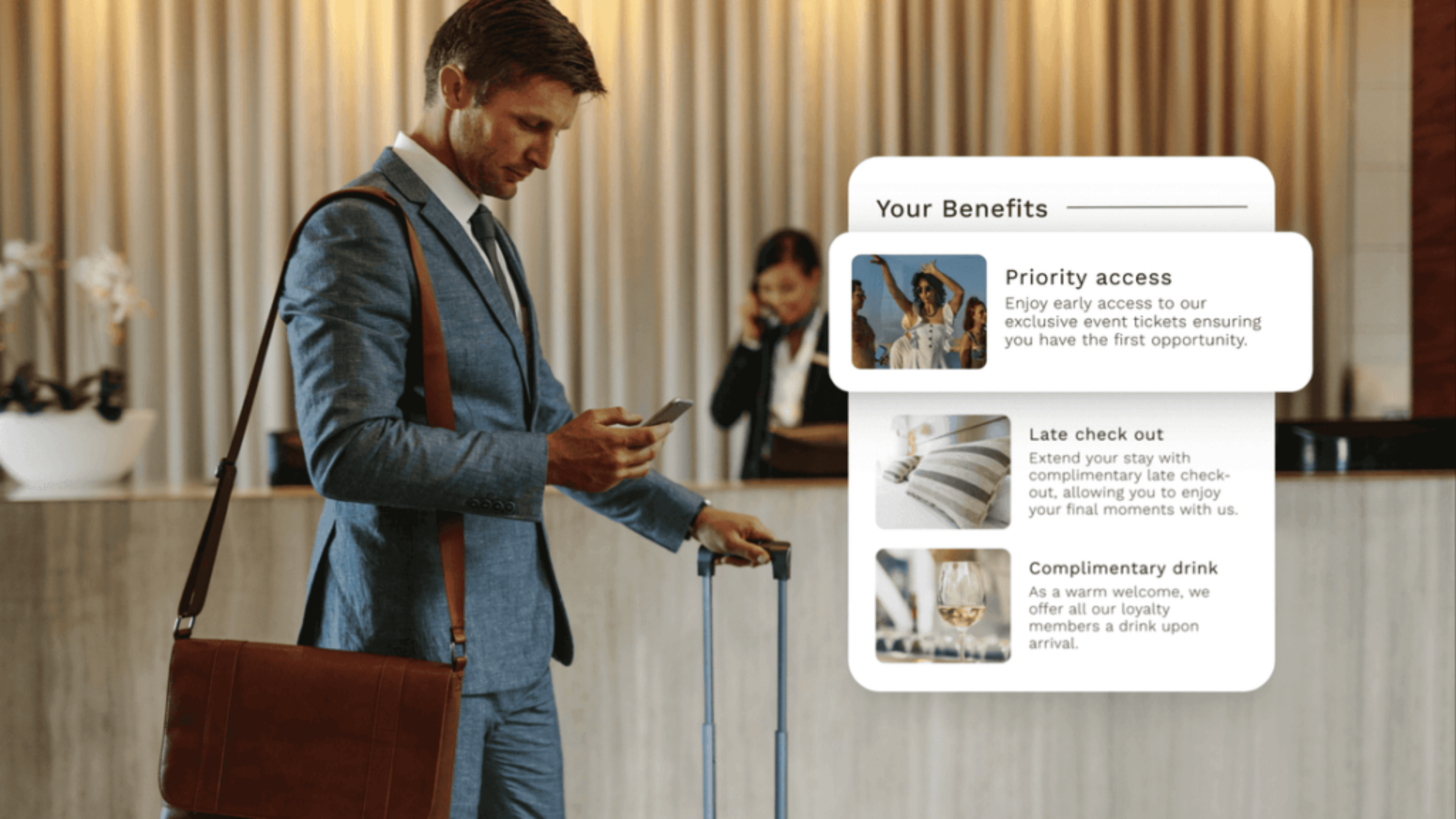
Customers do not experience your brand in separate channels. They book on mobile, browse on web, buy in store, open emails later, and expect their rewards to follow them everywhere. That is why omnichannel mobile-first loyalty strategies matter. A strong program connects every touchpoint into one consistent experience, with mobile at the center because it is the device people use most often, most personally, and most immediately.
For brands in hospitality, beauty, wellness, sports, retail, and services, this approach makes loyalty easier to use and easier to scale. Instead of fragmented points, isolated campaigns, or rewards that only work in one place, you create a system that recognizes customer behavior across bookings, purchases, check-ins, and engagement moments. The result is a loyalty experience that feels relevant to the customer and measurable to the business.
Why traditional loyalty programs fall short
Many legacy loyalty programs were built for a single channel. They might work at the register, in a plastic card, or inside a basic email flow, but they break down when customers move between physical and digital touchpoints. That creates friction. A customer may earn points in store but not see them in the app, receive offers that do not match recent activity, or struggle to redeem rewards across channels.
The biggest problem is not just inconvenience. It is lost momentum. When loyalty feels disconnected, customers are less likely to engage regularly, less likely to understand the value of the program, and less likely to change behavior in the direction you want. Modern loyalty needs to be continuous, not channel-bound.
What omnichannel mobile-first loyalty strategies mean
An omnichannel mobile-first loyalty strategy is a loyalty approach designed around two principles:
Omnichannel: the loyalty experience is consistent across every relevant customer touchpoint, such as app, website, email, POS, in-store, bookings, and customer service interactions.
Mobile-first: the most important loyalty actions are designed to work smoothly on mobile first, because that is where customers check balances, receive notifications, redeem offers, make bookings, and engage with the brand most often.
This does not mean every customer interaction happens in an app. It means your loyalty logic, messaging, rewards, and data model are built so mobile plays a central role in the full journey. That could include a branded app, digital wallet passes, mobile booking flows, personalized notifications, and loyalty data synced with e-commerce and in-store systems.
Why this approach drives better loyalty outcomes
Brands adopt omnichannel mobile first loyalty strategies because they remove friction and improve relevance. When customers can earn and redeem rewards wherever they interact with the brand, participation feels natural. When loyalty is accessible on mobile, engagement becomes more frequent because the program is always within reach.
Higher repeat engagement: customers see rewards, progress, and offers in real time.
Better personalization: loyalty can respond to purchases, visits, bookings, and preferences across channels.
Stronger retention: the program becomes part of the customer routine instead of an afterthought.
More measurable revenue impact: brands can connect loyalty behavior to bookings, orders, upsells, and return visits.
This is especially valuable in sectors where frequency matters. A salon, clinic, restaurant, sports venue, or wellness brand does not just need one transaction. It needs repeat behavior over time. Loyalty works best when it supports that rhythm across every customer touchpoint.
The core building blocks of an effective strategy
Unified customer data across channels
Omnichannel loyalty only works when customer activity is connected. If your bookings, webshop orders, in-store purchases, check-ins, and campaign engagement live in separate systems, your loyalty program will always feel incomplete. A strong setup links data from the tools you already use so points, rewards, tiers, and triggers update automatically.
That unified view allows you to recognize meaningful behavior, such as a customer who books frequently but spends less per visit, or one who buys online and redeems in person. With that context, your loyalty program becomes more precise.
Mobile-first access to rewards and progress
Customers should be able to see points, rewards, challenges, vouchers, or VIP status instantly on mobile. If they need to search through emails, ask staff manually, or remember a physical card, usage drops. A mobile-first design makes loyalty visible at the exact moment it can influence action.
That visibility is what turns loyalty from a passive database into an active engagement channel.
Real-time triggers and personalization
The strongest loyalty strategies react to behavior quickly. That can mean rewarding a check-in, sending a reminder after an incomplete booking, offering a relevant upgrade after a purchase, or unlocking a perk after a challenge is completed. Timing matters because loyalty is often about nudging the next action, not just rewarding the last one.
Consistent rewards logic across digital and physical touchpoints
Customers should not have to guess how the program works in each channel. If they earn points online, they should understand how to redeem them in store. If they receive an offer in the app, it should connect to the same reward structure used at the counter or in the booking flow. Consistency builds trust and reduces confusion.
How mobile-first changes loyalty program design
Mobile-first loyalty is not just a smaller screen version of a traditional program. It changes how you design mechanics, messaging, and journeys. On mobile, loyalty needs to be immediate, easy to scan, and action-oriented.
Make progress easy to understand
Customers engage more when they can quickly see how close they are to the next reward. Clear point balances, tier progress, challenge completion, and available perks work well on mobile because they create instant motivation.
Use notifications carefully and with context
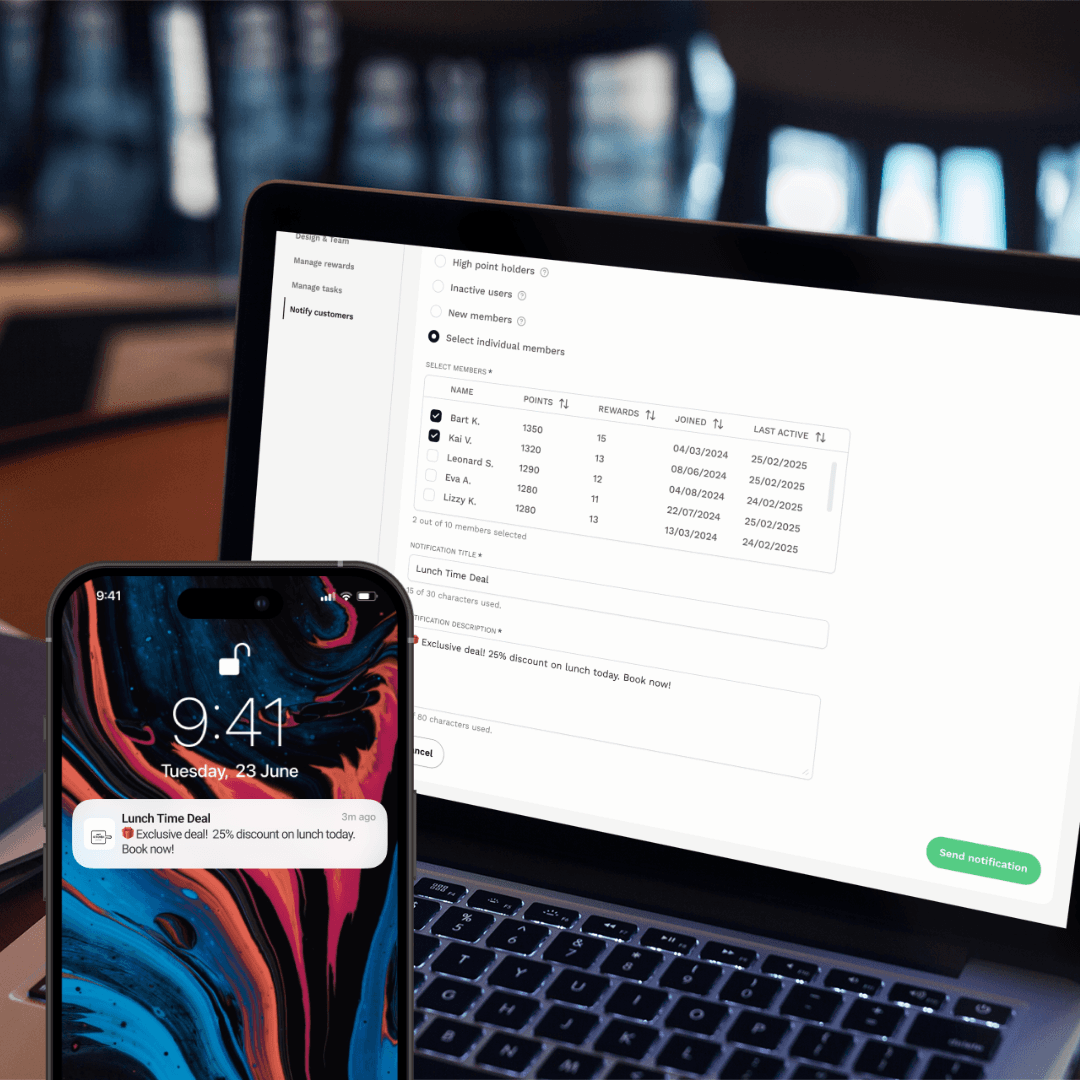
Push notifications and mobile alerts can be powerful, but only when they are relevant. Good examples include a reminder that a reward is about to expire, an incentive during off-peak hours, or a bonus linked to a recent booking or purchase. Generic blasts usually reduce engagement over time.
Reduce redemption friction
If a customer needs too many steps to use a reward, redemption drops. Mobile-first loyalty should support simple claim flows, scannable rewards, digital vouchers, in-app perks, or wallet-based access where relevant.
Design for repeat behavior, not one-off campaigns
The best mobile loyalty programs are habit-forming. They encourage return visits, repeat orders, check-ins, referrals, and milestone-based actions rather than relying only on occasional discounts.
Key channels in omnichannel loyalty
Branded mobile app
A branded app can act as the main loyalty hub. It gives customers one place to track rewards, book services, receive offers, complete challenges, and interact with the brand. For businesses with recurring engagement, this is often the most powerful environment because it combines utility and loyalty in the same experience.
Website and e-commerce
Web and webshop touchpoints should reflect the same loyalty logic as the app. Customers should be able to earn points on purchases, see available rewards, and understand loyalty benefits without switching context. This matters for conversion as much as retention.
POS and in-store experiences
In physical environments, loyalty should be recognized automatically or with minimal effort. Staff should not need workarounds to apply rewards or identify tier benefits. Whether the customer buys, checks in, or redeems in person, the experience should stay aligned with digital touchpoints.
Email and campaign automation
Email remains useful for broader lifecycle communication, reward summaries, and follow-up messaging. In an omnichannel setup, email supports loyalty best when it reflects live customer status rather than static campaign logic.
Bookings, check-ins, and service moments
For service-led businesses, loyalty should connect to customer actions beyond transactions. Bookings, attendance, frequency, referrals, and completed visits often say more about future value than purchase data alone.
Loyalty mechanics that work especially well in a mobile-first omnichannel setup
Points: useful for ongoing engagement when balances update across all channels.
Rewards: clear, desirable perks that are easy to claim on mobile.
Challenges: effective for driving specific behaviors such as repeat visits or off-peak usage.
Tiers: strong for retention because they reward long-term commitment and status.
VIP cards: simple, visible markers of membership and benefits.
Stamp cards: easy to understand for visit-based businesses.
Leaderboards: relevant when community or competition supports the brand experience.
Referrals: valuable when integrated naturally into mobile sharing flows.
The right mechanic depends on the business model. A restaurant may focus on visit frequency and upsells. A clinic may emphasize retention and rebooking. A sports or wellness brand may benefit from check-ins, milestones, and tier progression. The strategy matters more than the mechanic itself.
Examples of omnichannel use cases
Hospitality
A hospitality brand can reward off-peak bookings, promote seasonal specials, move leftover inventory, and give frequent guests tier-based perks. Mobile-first loyalty helps customers discover these incentives at the right time, while omnichannel integration ensures rewards work across booking flows, in-venue redemption, and follow-up campaigns.
Beauty and wellness
A salon or wellness brand can connect bookings, completed visits, product purchases, and referrals in one program. Customers can track progress toward a treatment reward, receive reminders to return, and unlock benefits that increase average order value over time.
Sports and clubs
A sports business can reward check-ins, bookings, class attendance, and social engagement. Loyalty becomes more effective when members can see benefits instantly on mobile and when the program supports both habit formation and community participation.
How to build an omnichannel mobile-first loyalty strategy
1. Start with the customer journey, not the reward catalog
Map how customers discover, book, buy, visit, return, and engage. Then identify where loyalty can remove friction or increase motivation. If you start with rewards before understanding the journey, the program often becomes disconnected from real behavior.
2. Choose the behaviors that matter most
Not every action deserves a reward. Focus on behaviors tied to business outcomes, such as repeat bookings, increased visit frequency, higher basket value, retention after the first purchase, or off-peak demand smoothing.
3. Connect loyalty to your existing systems
The most effective strategies integrate with the tools already used by the business. That may include e-commerce, booking tools, customer management systems, email platforms, POS systems, and customer data platforms. This is what makes loyalty accurate, automated, and scalable.
4. Build mobile moments into the lifecycle
Think beyond sign-up. Where should the customer see progress, receive reminders, unlock rewards, or get prompted to return? Mobile-first loyalty performs best when these moments are designed intentionally.
5. Measure and optimize continuously
Track participation, redemption, repeat behavior, offer usage, retention by segment, and the impact of loyalty on bookings or revenue. Good loyalty strategy is iterative. You learn which mechanics and triggers actually change customer behavior.
What to measure
Metric | Why it matters
|
|---|---|
Enrollment rate | Shows how effectively the program converts customers into members |
Active participation rate | Measures whether members are actually engaging with loyalty features |
Reward redemption rate | Indicates whether rewards are relevant and easy to use |
Repeat purchase or repeat booking rate | Direct signal of retention impact |
Visit frequency | Useful for hospitality, beauty, wellness, and sports businesses |
Average order value | Shows whether loyalty influences spend, upgrades, or bundles |
Customer lifetime value | Helps connect loyalty engagement to long-term revenue contribution |
Campaign response by channel | Reveals which mobile and omnichannel touchpoints perform best |
Common mistakes to avoid
Treating mobile as an add-on: if mobile access is secondary, engagement usually stays low.
Running loyalty in a silo: disconnected systems create poor personalization and inconsistent rewards.
Overcomplicating the program: customers should understand value quickly.
Using too many generic discounts: this can train customers to wait for offers instead of building loyalty.
Ignoring post-purchase behavior: loyalty should shape future actions, not just reward past spend.
Failing to measure behavioral impact: vanity metrics alone do not show whether the program works.
Where Authic fits into omnichannel mobile first loyalty strategies
Authic focuses on white-label, branded loyalty programs built for mobile-first and omnichannel experiences. That means businesses can create a mobile loyalty app that stays aligned with their own brand, while connecting loyalty logic across digital and physical touchpoints.
Depending on the setup, loyalty can be linked to bookings, purchases, check-ins, webshop activity, POS systems, customer management tools, email marketing tools, and customer data platforms. This makes it easier to automate points, rewards, challenges, tiers, and notifications based on actual customer behavior rather than manual updates.
For brands that want ownership over customer data, communication, and the customer journey, that matters. Instead of relying on generic one-size-fits-all programs, the loyalty experience can be tailored to the business model and integrated into the existing stack.
FAQ
What is the difference between omnichannel loyalty and multichannel loyalty?
Multichannel means a brand is present in multiple channels. Omnichannel means those channels work together as one connected experience. In loyalty, that difference is critical. Omnichannel loyalty lets customers earn, track, and redeem rewards consistently across touchpoints instead of treating each channel separately.
Why is mobile-first so important in loyalty strategies?
Mobile is where customers most often interact with brands in real time. They check balances, receive offers, make bookings, open notifications, and redeem rewards on their phones. A mobile-first approach increases visibility, convenience, and engagement.
Do you need a branded app for an effective mobile-first loyalty program?
Not always, but for many businesses a branded app creates the strongest loyalty environment because it combines utility, identity, and engagement in one place. The right setup depends on your customer journey, frequency model, and operational systems.
Which industries benefit most from omnichannel mobile-first loyalty strategies?
Any business with repeat customer potential can benefit, but the model is especially strong for hospitality, beauty and wellness, sports, clinics, salons, restaurants, clubs, and retail concepts with recurring engagement.
What should an omnichannel loyalty program integrate with?
That depends on the business, but common integrations include webshop platforms, booking tools, POS systems, customer management systems, email tools, and customer data platforms. The goal is to connect loyalty to real customer behavior across channels.
How do you know if your loyalty strategy is working?
Look beyond sign-ups. Track active participation, redemption, repeat behavior, retention, order value, and lifetime value. A loyalty strategy works when it changes customer behavior in a profitable direction, not just when it attracts members.

Founder & CEO
Founder & CEO of Authic. Wouter helps businesses build lasting customer relationships through branded loyalty apps that drive engagement, repeat visits, and growth.

Continue reading


We provide the technology and simplicity to turn customers into loyal fans, without the complexity or cost of building it yourself.