Fast, no code setup
Increase sales on autopilot

Pricing a point is one of the most important decisions you make in a beauty loyalty program. Get it wrong and you erode margin without changing behavior. Get it right and you increase repeat visits, average order value and long term client value, while members feel recognized. This guide shows you how to value loyalty points in the beauty industry with simple formulas, beauty specific guardrails and KPIs to prove impact.
What loyalty points valuation really means in beauty
Loyalty points valuation is the explicit monetary value you assign to a point and the effective discount rate your program delivers when clients earn and redeem. In beauty, valuation is not just a math exercise. It has to reflect your service and retail margins, booking cycles, refill routines, and the role of status and experience in client decisions. A good valuation makes a client’s next step obvious - book a treatment, refill a product, try an add on - while keeping your unit economics healthy.
Two numbers matter most: the earn rate and the redeem rate. The earn rate defines how many points a client gets per euro or dollar spent or per action. The redeem rate defines how many points a client needs for a reward. Together they set the real value of a point and your program’s effective discount.
How to calculate the monetary value of a point
Start with one of these proven approaches and pressure test it with your margins and client behavior.
Simple discount model: If clients earn 1 point per 1 currency unit and 100 points equal 5 off, then 1 point is worth 0.05 and your effective discount is 5 percent when a client consistently earns and redeems.
Cost based approach: Price rewards against your cost of goods sold or service cost, not retail price. If a 30 minute add on costs you 12 and you list it at 25, a 250 point reward for that add on delivers 25 face value at 12 cost. Your real program cost is 12 divided by the points required.
Blended retail and service model: Use one point currency but set different earn or redeem rules per category. Lower earn on low margin retail, higher earn on higher margin services, or vice versa if you need to move stock.
Benchmark check: Compare your effective discount to peers and marketplace norms. Beauty programs that sit between 3 and 8 percent effective discount typically balance attractiveness and margin. Go higher only when you offset with breakage, tiers or experience rewards.
Client value fit: Use CLV to cap generosity. If an average client generates 500 gross margin annually, keep total reward cost below a clear ceiling, then assign earn and redeem to fit under that cap.
Earn rule | Redeem rule | Effective discount | Example point value
|
|---|---|---|---|
1 point per 1 spent | 100 points = 5 off | 5 percent | 0.05 per point |
2 points per 1 spent | 400 points = 10 off | 5 percent | 0.025 per point |
1 point per 1 spent | 200 points = free add on worth 25, cost 12 | Cost equivalent 6 percent | 0.06 cost value, 0.125 face value |
Always model three layers: face value to the client, your real cost, and the behavioral lift you expect. If the uplift in repeat purchase rate and time to next appointment outperforms reward cost, your valuation works.
Earning triggers that fit beauty buyer behavior
Points only matter when they guide the next action. Build earn rules around your actual journey:
Spend based: Base earn on retail and service spend, with optional category multipliers to steer clients to the behaviors you value most.
Booking and attendance: Reward booking ahead, showing up on time, and rebooking at checkout to reduce churn and no shows.
Routines and refills: Offer bonus points for timely refills or seasonal service cycles to shorten time to next purchase.
Referrals with proof: Issue points when a referred client completes a first service or reaches a spend threshold, not for a raw signup.
UGC and education: Reward tutorial shares, routine tracking or reviews that include service or product use insights, not just star ratings.
Recycling and returns to store: Encourage empties recycling or shade matching sessions to create traffic that converts.
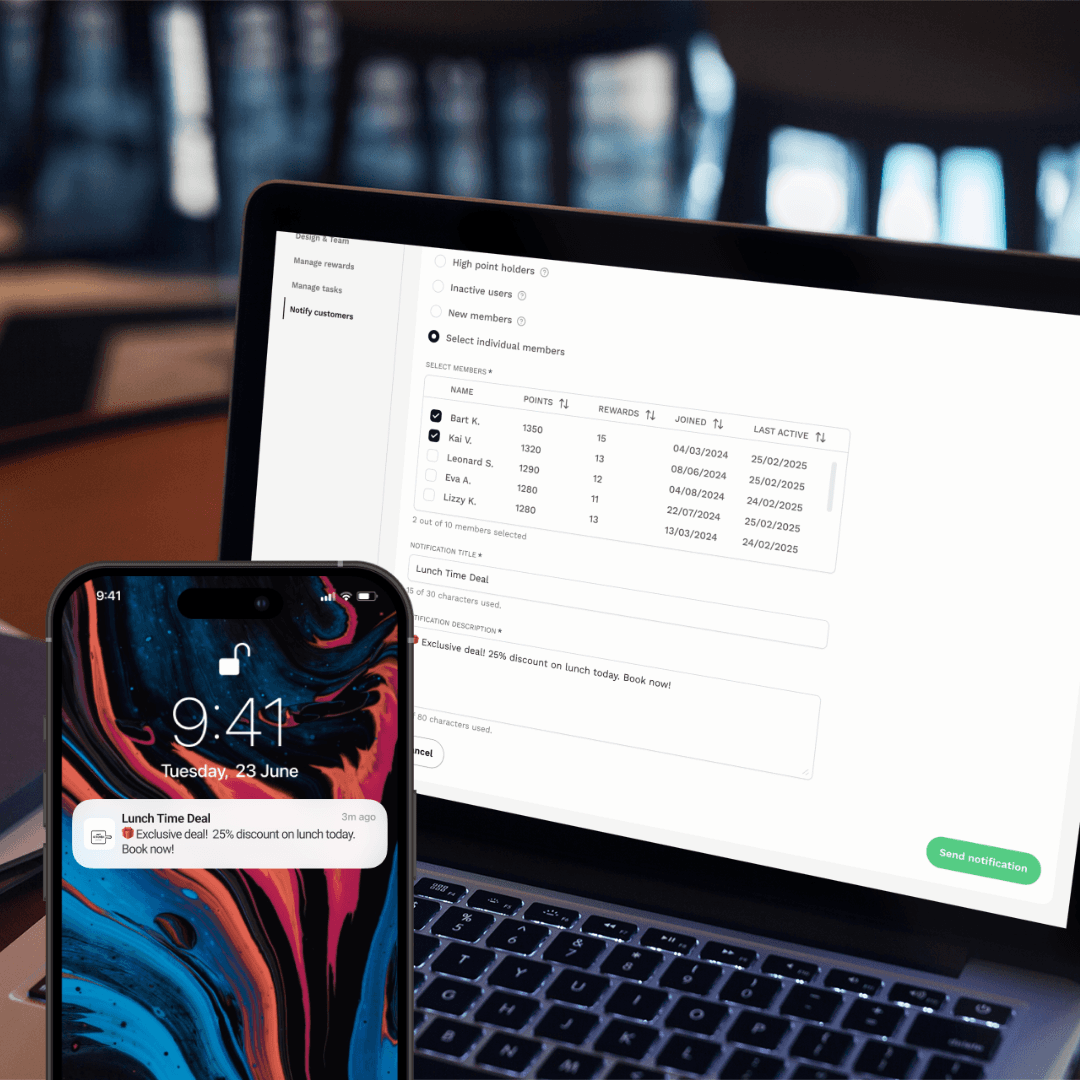
With Authic.io you can implement these as challenges and time bound boosters, so you nudge the exact behavior that lifts revenue rather than handing out blanket discounts.
Redemption options that protect margin and feel premium
Clients love choice, but you should curate for perceived value and economic sanity:
Money off in checkout: Simple and universal. Cap percentage per order and set minimum baskets to protect margin.
Free or discounted add ons: High perceived value, often lower real cost. Great for new service trials and cross sell.
Product bundles and deluxe samples: Use vendor supported items or house brands to keep cost low and discovery high.
Priority access and early booking windows: Zero marginal cost, strong sense of status. Ideal for peak season demand.
Shipping or same day pickup perks: Useful for retail heavy clients. Tie to basket size thresholds.
Charity or recycling rewards: Let clients donate points or exchange empties for point boosts to align with brand values.
Set separate rewards catalogs for services and retail if needed. Limit cash like redemptions on the lowest margin items and spotlight experience rewards that deepen attachment to your brand.
Design beyond discounts: tiers, status and experiences
In beauty, emotion, routine and recognition drive repeat behavior more than raw discounts. Pair points with a simple tier structure and status benefits that change what clients do next:
Clear progression: Define 2 to 3 tiers with visible milestones tied to annual spend or completed services. Show how close a client is to the next level to trigger action.
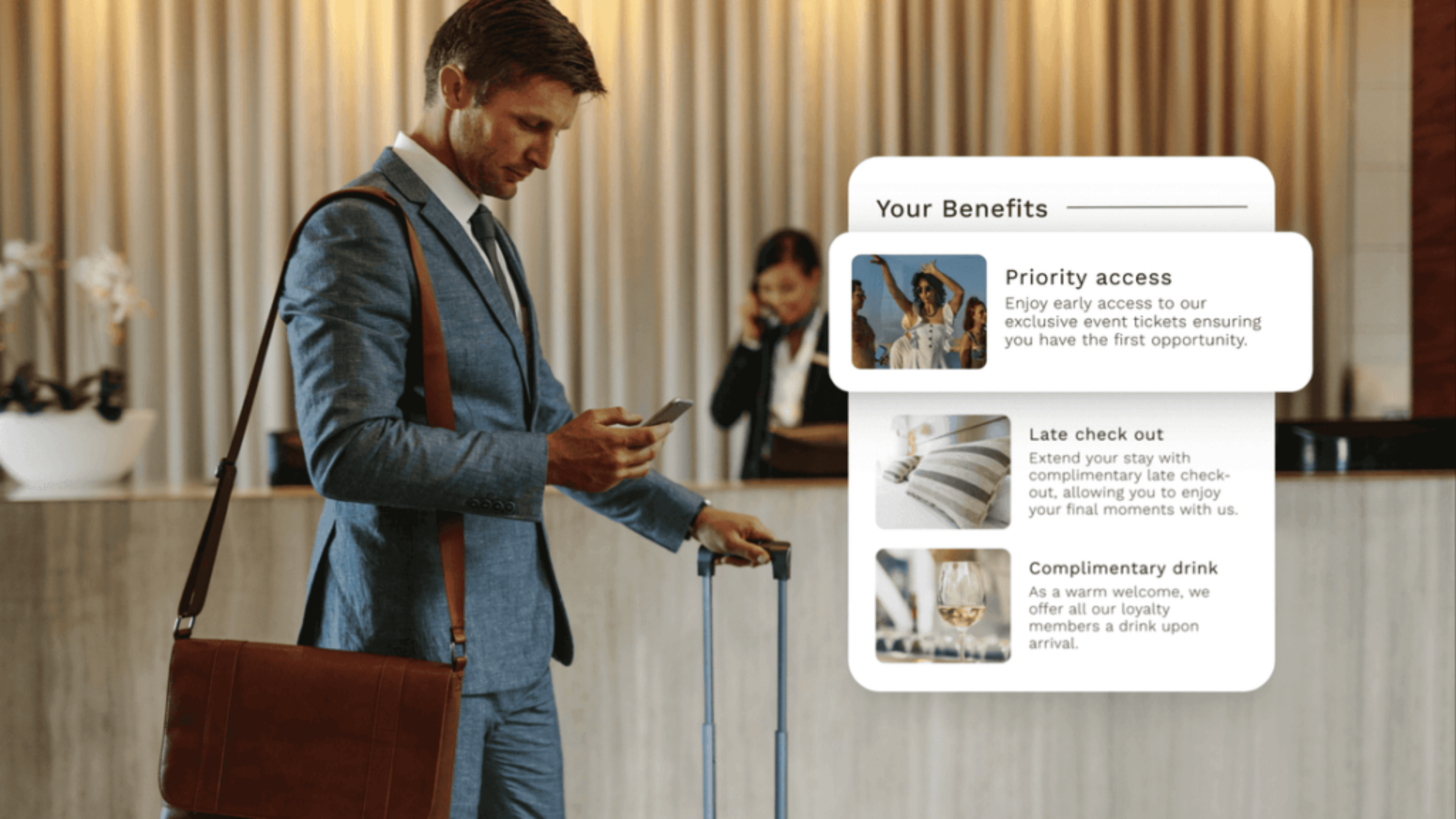
Privilege over price: Layer in early access, preferred booking, stylist or therapist selection, birthday treatments or members only masterclasses. These differentiate your brand without constant discounting.
Behavioral nudges: Use expiring bonuses and personalized challenges to reduce time to next appointment and to fill midweek gaps.
VIP cards when you do not want points: For a subset of clients, a benefits first membership without point tracking keeps the value simple while still granting status.
Points then act as feedback, not the hero. You recognize progress, create momentum and make the next best action obvious. This is where loyalty stops being background infrastructure and starts to move revenue.
KPIs that actually predict success and valuation fit
Evaluate more than enrollments. Track metrics that show whether your point price and reward design truly influence behavior:
Redemption rate: Healthy redemption means members see value. If it is near zero, your point price or catalog is off. If it is too high, revisit caps and minimum baskets.
Time to next purchase or appointment: The core habit metric. A shorter interval after earn or after a challenge proves your program is steering action.
Repeat purchase or rebooking rate: Segment by members vs non members and by tier to confirm that benefits translate to habits.
Tier progression and benefit usage: If clients stall below your top tier or ignore benefits, simplify thresholds or rebalance rewards.
Average order value and attach rate: Add on redemptions should lift service attach and cross category mix, not cannibalize core spend.
CLV lift vs reward cost: Model member CLV uplift and ensure your total reward cost sits comfortably under your target percentage of gross margin. Use this methodology to calculate loyalty program ROI.
Points liability coverage: Monitor outstanding points vs forecasted redemptions and ensure your budget covers realistic scenarios.
Tie each KPI back to a decision: adjust earn, adjust redeem, change the catalog, or launch a targeted challenge. With Authic.io you get these KPIs out of the box and can A/B test rules without rebuilding your program.
Beauty specific valuation guardrails
Before you lock your point price, pressure test it with these sector realities:
Service vs retail margins: Many services carry high perceived value but limited staff capacity. Favor add on rewards that fit under idle capacity or off peak windows. For retail, lean on vendor supported items or own brand to protect margin.
Booking cadence: Map typical cycles - hair color every 6 to 8 weeks, facials monthly or seasonally, nail fills every 2 to 3 weeks - and align earn boosters to pull the next booking forward.
Expiry that nudges, not punishes: Set reasonable point expiry and remind proactively. Expiry should create momentum, not frustration.
Refunds and cancellations: Deduct points automatically when orders are refunded or no shows occur to prevent leakage.
Category rules: Limit cash like redemptions on the thinnest margin SKUs. Offer better value on categories you want to grow.
Breakage and budget: Plan realistic breakage. Do not rely on breakage for profitability, but recognize it offsets some costs.
Compliance and transparency: Keep point value and terms clear in all channels, including the app and checkout.
A simple sanity check: simulate a typical client’s year across services and retail, apply your earn and redeem rules, and verify total reward cost is sustainable while the journey feels motivating.
Set your point price in 5 steps
Measure your unit economics: Know average basket, service and retail margin, capacity constraints and CLV by segment.
Choose a starting effective discount: Pick a target in the 3 to 8 percent range based on your margin structure and growth goals.
Map earn and redeem: Define points per currency unit and a clear reward ladder. Include at least one experience reward.
Model and simulate: Run scenarios for light, medium and heavy users. Stress test with high redemption and low breakage.
Pilot and iterate: Launch to a cohort, track redemption, time to next purchase, and CLV lift. Adjust earn or catalog, not just the headline point price.
Mini case: increasing repeats with a branded loyalty app
A premium salon launched a branded loyalty app on Authic.io and focused on clear progression, relevant earn triggers and easy redemption in checkout. Within five months they reached an 83 percent repeat visit rate among active users. While point valuation is only one piece of the puzzle, this result shows that when the currency, tiers and experiences work together, loyalty stops being a cost center and becomes a growth lever.
FAQs
How much is one loyalty point worth?
Divide the reward value by the points required. If 100 points equal 5 off, one point is worth 0.05 to the client. Your true cost may be lower if you reward services or items with better margins, so always compute both client value and your cost value.
How do you calculate loyalty points?
Set an earn rate, such as 1 point per 1 spent, then set a redeem ladder, such as 100 points equals 5 off. The combination defines your effective discount. Adjust category multipliers, minimum baskets and caps to steer behavior and protect margin.
How much are Beauty Insider points worth?
Brands update catalogs over time, so the value can vary by reward. To estimate, pick a current reward, divide its value by the points required and compare across multiple rewards. Use that method for any program to understand real point value.
What is the beauty industry valued at?
Global beauty market estimates change frequently by source and segment. Check the latest reports from reputable market research providers for current figures. Industry size does not determine your point price - your margins, capacity and client behavior do.
Put valuation to work with Authic.io
Authic.io gives beauty and wellness brands a white label loyalty platform with points, challenges, rewards and VIP cards, so you can set, measure and optimize your point value without code. From calculators and KPIs to a branded app and seamless checkout redemption, you get the tools to increase repeat visits and CLV. Book a demo to see how your program can move from discounting to behavior shaping value.

Founder & CEO
Founder & CEO of Authic. Wouter helps businesses build lasting customer relationships through branded loyalty apps that drive engagement, repeat visits, and growth.

Continue reading


We provide the technology and simplicity to turn customers into loyal fans, without the complexity or cost of building it yourself.