Fast, no code setup
Increase sales on autopilot
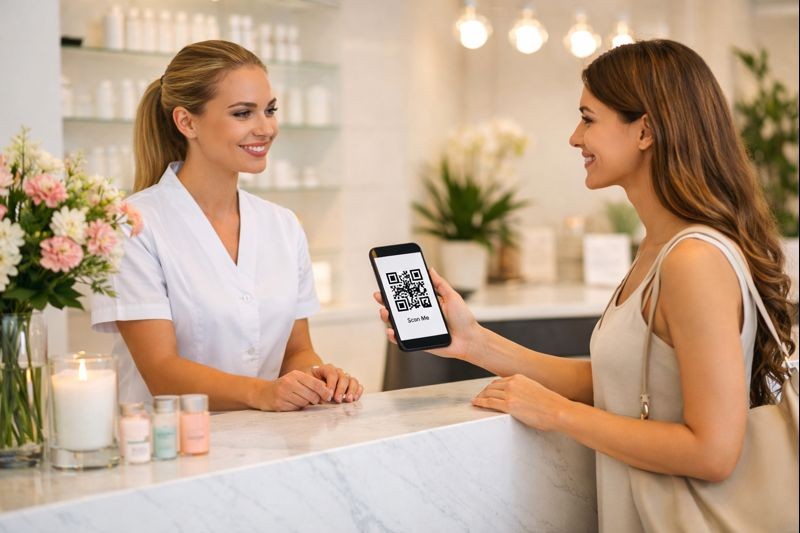
Choosing between loyalty software and a custom loyalty app can decide how fast you launch, how much you spend, and how well you engage clients in salons, clinics, spas, and barbershops. This guide breaks down the build vs buy decision for beauty brands, with clear comparisons on costs, speed to market, maintenance, scalability, omnichannel, data, and everyday realities at the chair, treatment room, and checkout. For selection criteria and trade-offs versus custom build, see choosing loyalty software for beauty and wellness.
What really drives the decision for beauty brands
Budget and total cost of ownership
Launch timeline and resource availability
App Store and Google Play presence vs web-only
In-store flows like check-in, booking, and POS redemption
No-code control for campaigns and rewards
Integrations with booking systems and payments
Personalization and zero-party data capture
Omnichannel support, including Wallet passes and email/SMS
Scalability across locations, staff, and services
Security, compliance, and ongoing updates
Side-by-side comparison
Criteria | White-label loyalty software | Custom loyalty app
|
|---|---|---|
Upfront cost | Predictable subscription, minimal setup | High build cost, discovery and scoping required |
Time to launch | Days to a few weeks | Months for design, development, QA, and app store approvals |
Maintenance | Included updates, bug fixes, store compliance handled | Ongoing dev time for OS updates, bugs, security, store policies |
No-code control | Campaign builder for rewards, tiers, and promos | Requires releases for most changes unless you build admin tools |
Integrations | Prebuilt connectors for booking/POS and APIs | Custom integrations per system, extra dev effort |
Omnichannel | Mobile app, Wallet passes, email/SMS, QR check-ins | Must be built from scratch and maintained |
Beauty-specific features | Check-in, task-based points, service-based rewards | All bespoke, longer to implement and iterate |
Scalability | Multi-location support out of the box | Depends on architecture and budget |
Analytics and CLV | Built-in dashboards, segmentation | Custom data models and BI setup needed |
Risk | Proven patterns, lower delivery risk | Higher project risk and potential scope creep |
Branding | Fully branded app store presence and UI | Fully custom design and motion if budget allows |
Ownership | You own customer data, vendor hosts platform | You own codebase and data, you host or manage cloud |
Cost and total cost of ownership
Custom apps carry high upfront costs for discovery, UX, iOS and Android builds, backend services, APIs, QA, and compliance. You also budget for app store submissions, ongoing OS updates, and post-launch enhancements. Total cost of ownership rises as you add features like tiers, referral, Wallet passes, and integrations with booking and POS systems.
With loyalty software, you pay a predictable subscription that includes platform maintenance and hosting. Setup is faster and costs are transparent, so you can align spend with outcomes like increased visit frequency and average order value. For most beauty brands, shifting budget from engineering to growth campaigns yields better returns, especially when the software already includes mechanics like check-in points, task-based rewards, and in-store redemption flows. For a deeper breakdown, review white-label loyalty software pricing and cost factors.
Speed to market and launch complexity
Every month you delay launch is a month without data and repeat revenue. Custom builds routinely take months, because mobile requires two platforms, a backend, secure auth, analytics, and a merchant console. You also need time for staff training, UAT, and app store approvals.
White-label loyalty software compresses this timeline. You configure your branding, rewards, tiers, and tasks with a no-code builder, connect your booking or POS, and publish to the App Store and Google Play. Teams can run a pilot within weeks, iterate on incentives, and optimize before rolling out across locations. Faster cycles compound learnings and retention gains.
Maintenance, updates, and app store operations
Mobile never stands still. iOS and Android release frequent OS updates; app stores introduce new policy requirements; SDKs and libraries deprecate. A custom app means you own all of that: security patches, crash fixes, performance tuning, and resubmissions. You will also need to plan for new features that the team requests after launch, like paid tiers, vouchers, or Wallet passes.
Loyalty software handles the moving parts for you. The platform ships regular updates, ensures compliance with Apple and Google policies, and maintains the push, deep links, analytics, Wallet, and QR stack. You stay focused on your calendar of treatments, events, and campaigns rather than chasing technical debt. For front-of-house staff, stability is critical: scanners should work, points should sync, and redemptions should be instant. A platform that is battle-tested reduces operational risk during busy days on the salon floor.
Scalability, flexibility, and future-proofing
Custom apps can scale elegantly if you invest in architecture, but that investment is significant. It takes planning to coordinate multi-location inventories, staff roles, and segmented offers. Adding new mechanics, like task-based points or new tiers, requires new UX and backend endpoints.
With loyalty software, multi-location, staff permissions, and common beauty use cases are already supported. You get flexible mechanics to launch points, tiers, referrals, gift-with-service, and experiential rewards without code. As your brand expands, you can add locations, segment by city, and personalize by service history and visit cadence. You can also switch on Wallet passes to reach clients who prefer lighter experiences.
When a custom loyalty app makes sense
Go custom if loyalty is your core product and you need truly unique experiences that standard platforms cannot deliver. Examples include advanced AR try-ons tightly coupled with loyalty mechanics, highly bespoke gamification with 3D visuals, or novel membership bundles integrated with proprietary devices. You might also choose custom if you already have an internal mobile team, long horizons, and a platform strategy that justifies owning every layer of the stack.
Even then, scope ruthlessly. Many beauty-specific needs are not unique: staff-friendly check-in, synchronized points, Wallet passes for quick access, secure redemptions, and robust analytics. If 80 percent of your roadmap matches proven patterns, a white-label platform will usually deliver faster, at lower risk, and with better usability from day one.
When loyalty software is the better fit
Most salons, clinics, spas, and barbers want a branded app presence, simple operations for staff, and measurable uplift in repeat visits and spend. If your team values no-code control, quick testing of offers, and easy integration with booking and payments, loyalty software is the efficient choice. You still get a fully branded iOS and Android app, plus Wallet passes for clients who prefer not to install apps. Campaigns, tiers, and rewards are configurable, so you can evolve your program with the seasonality of services and treatments.
For beauty brands that lean on in-person experiences, platform reliability during busy hours matters more than edge-case features. A specialized platform brings hardened check-in and redemption flows, reduces training time for staff, and safeguards client experience.
Program types you can run without custom code
Points-based loyalty
Clients earn points for actions like booking a treatment, purchasing retail, checking in, or completing tasks such as posting a review or following on social. You can set flexible earn rates and minimum redemptions, and cap rewards per visit to prevent abuse. In beauty, points are ideal for steering behaviors like rebooking before leaving or trying add-on services.
Tiered loyalty
Segment clients into tiers based on spend or visits. Higher tiers unlock perks such as priority booking, complimentary add-ons, or exclusive events. Tiering taps into status motivation and helps you allocate rewards budget. Many beauty brands use rolling 12-month qualification windows to maintain steady engagement.
Value-based and experiential rewards
Offer rewards that reflect your brand values and experiences: VIP treatments, early access, education sessions, or donations to causes. Beauty clients often value access and care as much as discounts. Experiential rewards deepen relationships and support premium positioning.
Paid or membership programs
Charge a monthly or annual fee for guaranteed benefits like a set number of treatments, member-only pricing, or birthday perks. Paid models work when perceived value clearly exceeds the fee and operations can reliably deliver. Use software to manage entitlements, renewals, and proration.
Data, integrations, and privacy for beauty loyalty
Strong loyalty programs in beauty hinge on clean data and privacy-by-design. You want to capture zero-party data with consent, such as skin or hair goals, preferred services, and visit cadence. That data powers relevant rewards and timely reminders without over-incentivizing discounts.
Integrations should cover booking systems, POS, payment providers, and marketing tools. Booking integration allows check-in and visit confirmation to drive points automatically. POS integration ensures accurate accrual and redemption at the counter. Marketing integrations let you trigger email or SMS when clients cross thresholds, drop tiers, or show signs of churn. Learn how to integrate loyalty software with salon POS and booking systems.
APIs and webhooks are useful if you run a headless website or need to sync loyalty balances to your account area. Wallet passes extend reach for clients who avoid installing apps while still enabling QR scanning, push updates, and balance visibility. Ensure your platform supports role-based access, audit trails, encryption at rest and in transit, and regional data hosting to meet GDPR and local requirements.
Ownership matters. With a white-label platform, you should own your customer data while the vendor manages infrastructure and security. If you go custom, confirm who operates cloud resources, how backups and disaster recovery are handled, and the cost to keep everything compliant over time. Read how to take control of your brand, your data, and your customers.
Mini case: how a clinic launched faster with a white-label app
A beauty clinic needed a branded loyalty experience across treatments and retail, with quick check-ins at reception, personalized perks, and the ability to run seasonal campaigns without developer help. Using a white-label platform, the team launched an iOS and Android app and added Wallet passes for easy access. They connected their booking system so visits and purchases automatically triggered points and tier progress.
Front-desk staff could scan QR codes to redeem rewards in seconds. Marketers set up task-based points to encourage rebooking and product trials. Within weeks, the clinic tested different rewards mixes, improved repeat bookings, and saved on engineering time. This pattern reflects projects like SKINSIS Clinic, where a professional, brand-aligned app delivered engagement quickly without custom development overhead.
FAQs
What are the 4 types of loyalty programs?
The four common models are points-based, tiered, value-based or experiential, and paid memberships. Points reward specific actions and drive frequency. Tiers motivate higher spend and visits through status perks. Value-based and experiential rewards emphasize brand-aligned benefits like VIP access or education. Paid memberships trade a fee for guaranteed benefits, best used when the value is clear and operationally consistent.
What are the alternatives to loyalty apps?
Alternatives include Wallet passes for Apple Wallet and Google Wallet, web portals with QR codes, POS-native loyalty modules, email and SMS punch-card style programs, and printed QR stamp cards for very small operations. Wallet passes are a strong middle ground, offering quick access, balance updates, and in-store scanning without an app install.
What are the 3 R's of loyalty?
Retention, Repeat, and Referral. Retention keeps clients active and reduces churn. Repeat increases visit frequency and average order value through timely, relevant incentives. Referral turns happy clients into advocates who bring new business at lower acquisition cost.
What loyalty program does Sephora use?
Sephora runs Beauty Insider, a tiered points-based program. Members earn points on purchases, advance through tiers for perks, and redeem points for products and experiences. The structure shows how points plus tiers can segment and reward high-value clients effectively.
Do I own my data with a white-label platform?
Reputable platforms let you retain ownership of customer data while they manage hosting and security. Review the data processing agreement for details on storage location, GDPR compliance, and export options.
How long does it take to launch?
With loyalty software, most beauty brands can launch a branded app and Wallet passes in weeks, depending on branding, integrations, and app store timelines. Custom apps typically take several months due to design, development, QA, and submissions.
Evaluate your next step
If you want a branded loyalty experience that launches fast, integrates with booking and POS, and gives your team no-code control, consider a white-label platform built for beauty and wellness. Authic.io lets you publish your own iOS and Android app, issue Wallet passes, reward check-ins, purchases, and tasks, and personalize perks across locations. Book a demo to see how it works in practice.

Founder & CEO
Founder & CEO of Authic. Wouter helps businesses build lasting customer relationships through branded loyalty apps that drive engagement, repeat visits, and growth.

Continue reading


We provide the technology and simplicity to turn customers into loyal fans, without the complexity or cost of building it yourself.