
Fast, no code setup
Increase sales on autopilot
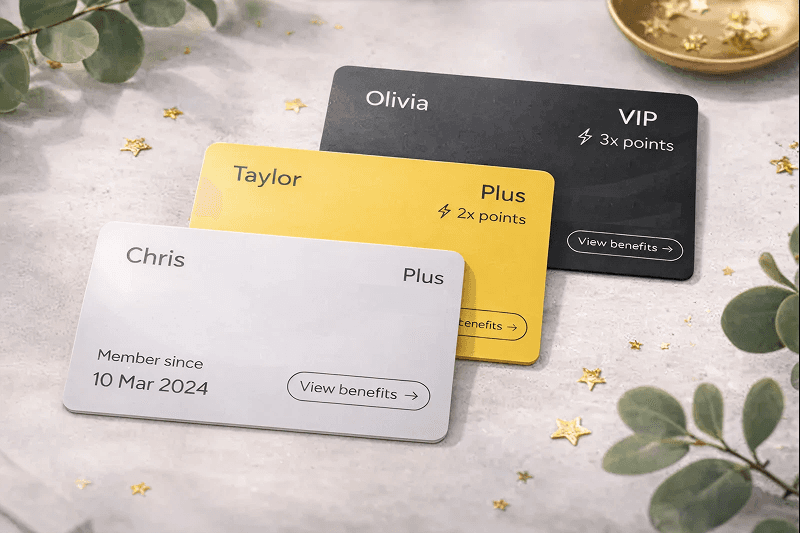
If your tiers are too easy, too opaque or too expensive to run, your loyalty program will stall. Use this practical guide to design tiered loyalty that customers understand, love and progress through. You will learn exactly how to set the right number of tiers, thresholds, benefits and communications to increase retention, average order value and customer lifetime value without bleeding margin.
How tiered loyalty programs work
A tiered loyalty program groups members into levels based on behaviors you value, such as spend, visits or meaningful engagement. Higher tiers unlock better benefits and status, which motivates members to progress and to keep that status year after year. Tiers also create natural segmentation, so you can tailor rewards, messaging and service by member value. Many high-performing programs combine tiers with a points currency to power both short-term gratification and long-term aspiration. For earn-rate rules and point logic, see Setting earn rates and point rules.
Program type | How it works | When to use | Watch-outs
|
|---|---|---|---|
Tiered | Members qualify for levels via spend, frequency or engagement. Benefits escalate by tier. | When you need a strong status ladder and differentiation, especially in beauty, sports and hospitality. | Set thresholds carefully. If tiers are too easy, status loses meaning. If too hard, progress stalls. |
Points-based | Earn points for actions. Redeem for rewards. No status levels required. | When you want simple earn-burn and quick gratification for lower-frequency shoppers. | Can feel transactional. Harder to deliver exclusivity and privilege without tiers. |
Hybrid | Points fuel redemptions while points or spend also count toward tier progression. | Best of both worlds for sustained motivation across the journey. | Keep rules transparent. Make progress tracking crystal clear to avoid confusion. |
Design pillars for high-performing tiers
Start with goals and KPIs
Decide what success looks like before you pick tier names or perks. Typical goals include higher retention rate, more orders per member, increased average order value, improved CLV and lower churn. Translate goals into measurable KPIs, for example tier progression rate, requalification rate, reward redemption rate, campaign response by tier and program ROI. Define target lifts you expect by tier and set baselines you can compare against. This clarity prevents costly perk creep and keeps your economics sustainable.
Choose the right number of tiers
Most programs succeed with three levels because it balances clarity, aspiration and manageability. Two tiers can work for simple propositions or younger programs. Four or five tiers fit luxury or travel-like models with wide value dispersion. As a rule, ensure each step feels meaningful. The jump from entry to mid-tier should be achievable within a few months for an engaged member, while the jump to top tier should feel prestigious, not impossible. Name tiers in a way that communicates progression and brand tone without confusing customers.
Define criteria and thresholds
Make it obvious how to qualify and requalify. You can use annual spend, points earned, visits, hours played, nights stayed, or verified engagement such as reviews, event attendance or referrals. Set thresholds by analyzing your customer distribution so at least 15-25 percent of active members can reach mid-tier and your VIP tier remains truly top performing. Provide more than one path where relevant, for example spend or engagement milestones, but keep the logic simple and fair. Always specify the earning window, whether rolling 12 months or fixed calendar year. For a foundational walkthrough of structuring levels and thresholds, see Designing tier structures and progression.
Differentiate benefits the smart way
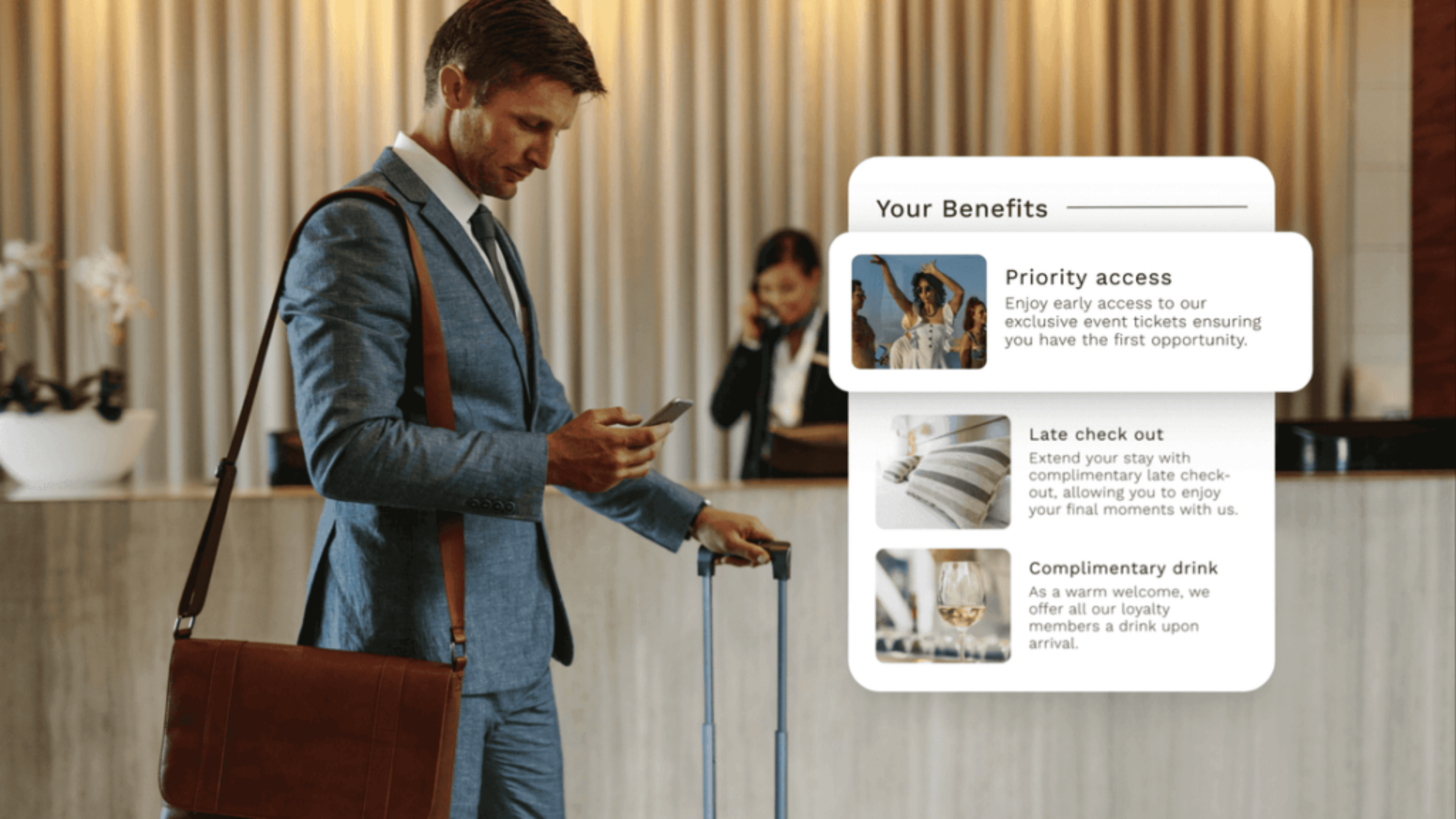
Benefits should scale in perceived and real value at each tier. Mix financial rewards (member pricing, bonus points, shipping perks), experiential rewards (early access, invitations, clinics, tastings), and service-level privileges (priority support, booking priority, guaranteed availability). Entry tier should deliver immediate value to drive adoption. Mid-tier should introduce exclusive experiences or meaningful convenience that members do not want to lose. Top tier should feel like VIP status with signature privileges that reinforce advocacy rather than deeper discounts that erode margin. For mapping benefits to each level, use Reward differentiation by tier.
Requalification, expiry and transparency
Status creates powerful motivation when requalification rules are clear and visible. Choose a 12-month qualification window with a grace period so members can recover from dips. Consider soft-landing one tier down instead of dropping straight to entry to reduce churn. Show a progress tracker everywhere members interact with your brand, including web, app and receipts. Send milestone nudges at 50, 80 and 95 percent toward the next tier and proactive requalification alerts near year end. Publish all rules in plain language so members always know where they stand. For triggers and best-practice templates, see Tier progression and requalification notifications.
Engagement beyond transactions
Great tiered programs reward incremental behaviors that build community and frequency. Beyond spend, incentivize actions like class bookings, match participation, event check-ins, training streaks, reviews with photos, referrals, surveys and social sharing. Tie these to points and unlockables that contribute to tier progression. For example, a beauty customer who books a skin consultation and shares a routine review earns a progress boost. A padel club member who completes 8 active weeks earns a fast-track token. A hotel guest who attends a local experience gets bonus points and late checkout credits.
Communication and automation that keep members moving
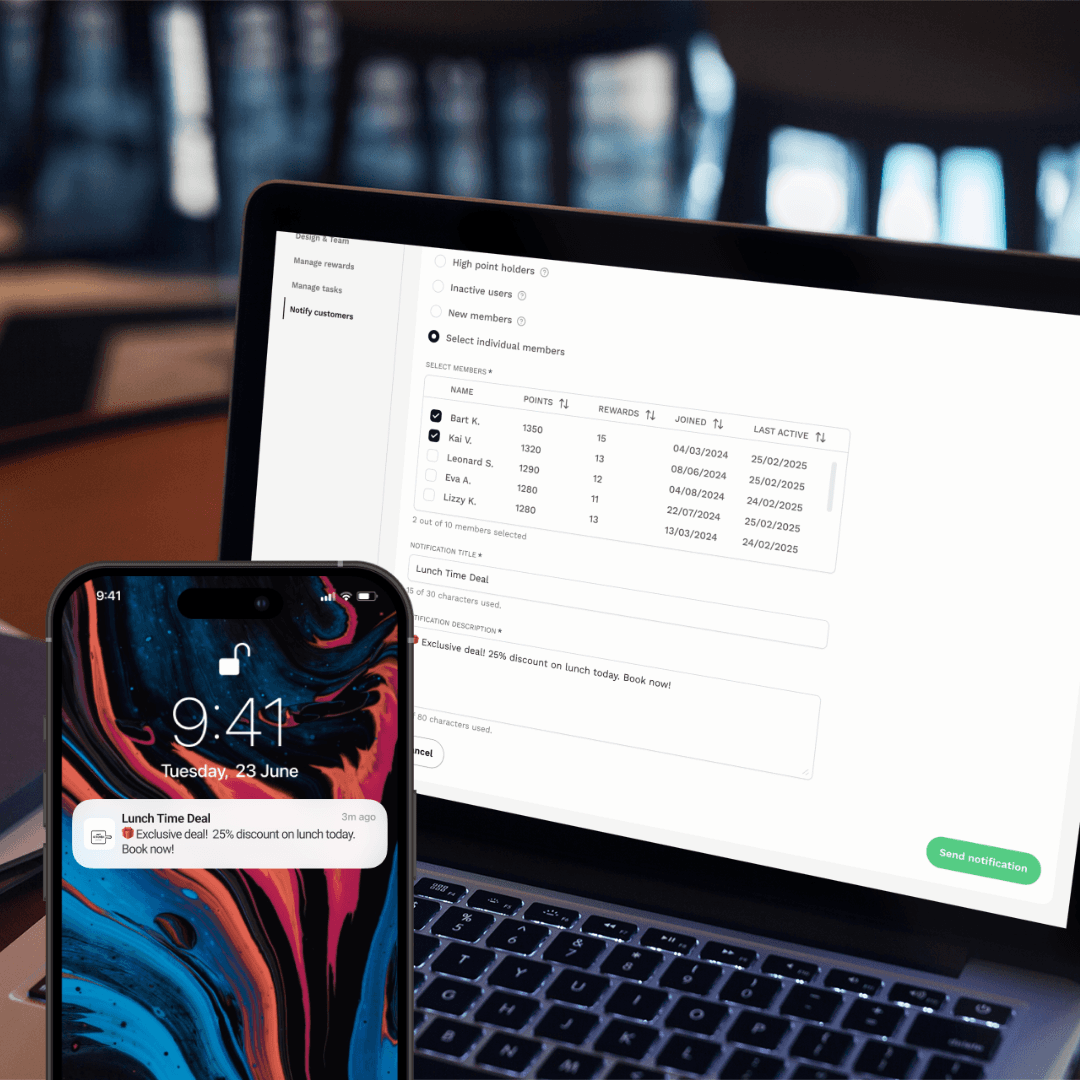
Progress must be visible and celebrated. Build always-on journeys for enrollments, first earn, first redemption, approaching next tier, requalification risk and win-back. Use channels your members already use, such as email, SMS, push and on-site messages. Send monthly tier summaries with points balance, benefits unlocked and next best actions. Trigger real-time notifications when members cross thresholds or when a benefit is about to expire. With Authic Labs, you can orchestrate these journeys in a no-code campaign builder and enrich them with events from your POS or app via API.
Financial sustainability and modeling
Start with a simple model. Estimate cost per benefit, expected redemption, breakage, and benefit consumption by tier. Add forecasted lifts in frequency and AOV, then calculate contribution margin and program ROI. Set benefit caps where needed and prioritize low-cost, high-perceived-value perks like priority access or experiential invitations. Avoid stacking discounts across tiers. Pilot with a subset of stores or regions, monitor redemption and tier progression, then tune thresholds and perks. Sustainable unit economics ensure your tiers motivate behavior without undermining profitability. To quantify impact, see How to calculate loyalty program ROI.
Industry snapshots: beauty, sports and hospitality
Beauty and wellness
Behavior is driven by routines, new product drops and services. Use tiers like Insider, Pro and Elite with qualification on annual spend and service bookings. Offer experiential perks such as early access to launches, complimentary mini services, routine check-ins and personalized samples. Keep progress visible at checkout and in app. Surprise high-value members with limited event invites to deepen advocacy.
Sports clubs and padel
Frequency and participation matter most. Use thresholds based on hours played, active weeks or total spend on courts and coaching. Benefits can include prime-time booking priority, free clinic seats, partner discounts and tournament entries. Reward streaks and team challenges to build community. Authic Labs published tiered loyalty examples for padel clubs that combine hours played, active weeks and spend to create fair and motivating ladders.
Hospitality
Loyalty hinges on nights stayed, direct bookings and on-property spend. Use rolling 12-month nights or points for tiering. Offer guaranteed late checkout, free breakfast credits, upgrades subject to availability and local experiences with partners. Focus communications on trip planning moments and on-property nudges via notifications. Protect margins with blackout dates and upgrade controls while keeping status benefits reliable.
Examples of tier benefits and perks
Birthday and anniversary gifts with personalized add-ons
Free or lower-threshold shipping and returns for mid-tier and above
Member-only pricing and early access to new releases or bookings
Bonus point multipliers by tier that scale earn velocity
Priority service channels or dedicated concierge for top tier
Exclusive events, classes, clinics or tastings with limited seats
Booking priority windows or waitlist priority in sports and hospitality
Partner perks, such as local experiences or wellness add-ons
Surprise and delight rewards triggered by milestones or streaks
Status match or soft-landing to protect valuable relationships
Measurement and optimization
Instrument your program from day one. Track adoption, active rate, tier distribution, progression, requalification, redemption and campaign performance by tier. Watch unit economics, including cost per active member and reward cost ratio. Diagnose stagnation by comparing progress curves across cohorts and devices. If many members cluster in entry tier, test lower mid-tier thresholds or add progress boosts for key behaviors. If VIP growth is too fast, tighten thresholds or shift value to experiences instead of discounts. Run A/B tests on messages, perks and qualification windows and keep a quarterly optimization cadence.
Getting started with Authic Labs
Authic Labs gives you a no-code dashboard to configure loyalty tiers, assign rewards and track member progress in real time. Use the campaign builder for automated journeys, the loyalty API to connect your POS or app and analytics to monitor KPIs like tier progression, redemption and ROI. Whether you operate a beauty brand, a sports club or a hospitality concept, Authic helps you launch fast, iterate safely and scale what works.
FAQ
How many loyalty tiers should I have?
Three tiers is the sweet spot for most brands because it balances clarity and aspiration. Use two tiers if you want extreme simplicity or you are just starting out. Consider four or five tiers only when you have a broad value spread and strong operational capacity, such as luxury or travel. Ensure each step delivers a noticeable upgrade in benefits and status.
What are good tier thresholds?
Base thresholds on your customer distribution so a healthy share of active members can reach mid-tier, while top tier remains exclusive. Model qualification using rolling 12 months of spend or points. Allow alternative paths for high-engagement behaviors when relevant. Publish the rules clearly and test thresholds in a pilot before full rollout to verify progression and economics.
How do I prevent tier stagnation?
Make progress visible with trackers and milestone nudges. Add quick wins early, such as a welcome bonus and an achievable mid-tier target. Reward non-transactional behaviors that build habits, like class bookings or reviews. If members cluster in entry tier, lower mid-tier thresholds slightly or add limited-time boosts. If VIP growth is too fast, adjust thresholds or shift perks toward experiences over discounts.
Should tier status expire?
Yes. Expiry creates healthy urgency for requalification. Use a 12-month window with a grace period so members can recover after a slow season. Consider soft-landing one tier down to avoid harsh drops. Communicate requalification progress well in advance and offer targeted challenges to help members keep status without inflating costs.
Which metrics prove a tiered loyalty program is working?
Track retention rate, purchase frequency, AOV and CLV by tier. Monitor tier progression, requalification, redemption rate, breakage and program ROI. Evaluate campaign performance by tier, such as open and conversion rates. If your mid-tier grows and maintains higher frequency and AOV without outsized benefit cost, your tiers are likely creating real value.
When you design tiers that are easy to understand, hard enough to feel special and supported by clear communications, you unlock long-term loyalty. Start simple, measure relentlessly and evolve benefits toward experiences that members cannot get anywhere else.

Founder & CEO
Founder & CEO of Authic. Wouter helps businesses build lasting customer relationships through branded loyalty apps that drive engagement, repeat visits, and growth.

Continue reading


We provide the technology and simplicity to turn customers into loyal fans, without the complexity or cost of building it yourself.