Fast, no code setup
Increase sales on autopilot
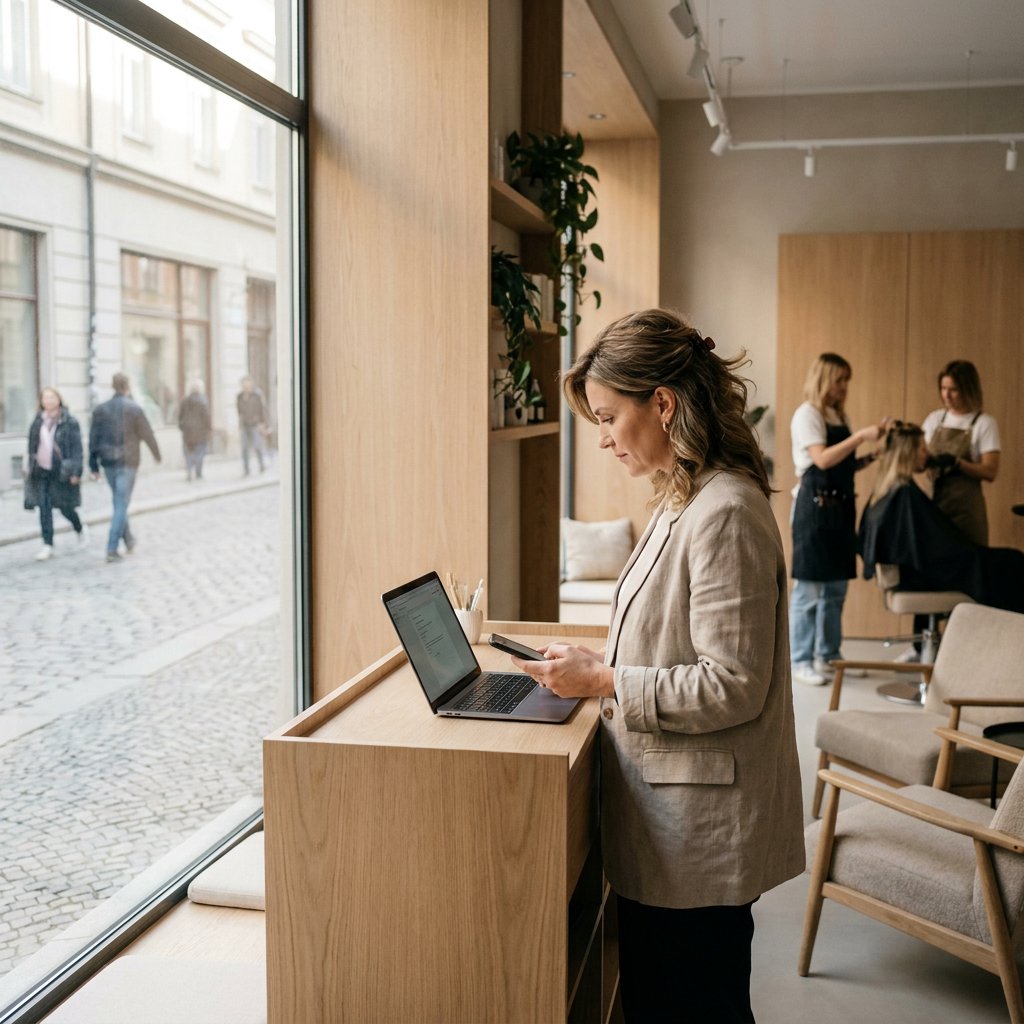
Google Ads can work extremely well for salons and spas, but only when campaigns are built around booking intent instead of generic traffic. Most beauty and wellness businesses do not need more clicks. They need more appointment requests, more phone calls, and more filled calendar slots from people nearby who are ready to book.
That is what makes Google Ads for salons and spas different from many other industries. Searchers are often looking for a specific service, in a specific area, with a strong preference for convenience. They might search for a haircut near me, deep tissue massage today, balayage appointment, or spa gift voucher. If your campaign matches that intent with the right keyword, ad, and landing page, Google Ads can become a reliable demand capture channel.
This guide explains how to approach salon and spa Google Ads in a practical way, including keywords, ad copy, budgets, tracking, local visibility, and the common mistakes that waste spend.
Why Google Ads works differently for salons and spas
Salons and spas are local, appointment-led businesses. That matters because Google Ads performs best when someone already knows what they want and wants it soon. In beauty and wellness, many searches come with clear intent: a haircut, manicure, facial, massage, brow service, or another treatment in a nearby area.
That means success usually depends less on broad awareness and more on three things:
Showing up for the exact service someone is searching for
Targeting a realistic local radius
Making booking easy on mobile
This is also why salon advertising on Google should not be judged by clicks alone. A campaign can get traffic and still underperform if the landing page is slow, the offer is unclear, or the booking flow has too much friction. For most salons and spas, the real question is simple: does the campaign turn local search demand into confirmed appointments?
How salon and spa clients search before booking
People rarely search for salon or spa services in a long research cycle. Many make a decision quickly after comparing only a few options. They want confidence fast. That usually comes from seeing the right service, a nearby location, a clear price or offer where relevant, and an easy way to book.
In practice, salon and spa clients often decide based on:
Service relevance
Distance or local convenience
Availability
Trust signals such as a complete Google Business Profile
Simple online booking or direct calling
Price matters, but it is not always the first filter. For premium services in particular, clarity and trust usually matter more than being the cheapest option. That is why the best Google Ads for salons and spas are tightly aligned with intent and remove hesitation quickly.
What types of Google Ads usually work best
For most salons and spas, search campaigns are the strongest starting point because they capture high-intent demand. Someone actively searching for a service is far closer to booking than someone casually scrolling social media.
The most useful campaign types are usually:
Search campaigns - Best for direct service demand such as haircut booking, facial near me, or couples massage
Branded search campaigns - Useful for protecting your brand name when people already know your business
Call-focused campaigns - Valuable when phone bookings are common
Local campaigns or location assets support - Helpful when local presence and directions matter
For many businesses, broad display activity is not the best first use of budget. A tighter search-led setup is usually more effective, especially for small salons, independent spas, and single-location beauty businesses.
Keyword strategy for Google Ads for salons and spas
The best keyword strategy focuses on intent, not volume. A keyword with fewer searches can outperform a broad, popular term if it reflects a real booking mindset.
That means keywords should usually combine the service with a strong local or action-driven signal.
High-intent keyword patterns to prioritize
Good keyword themes often follow patterns like these:
Service + near me
Service + city or neighborhood
Service + booking
Service + open now or today
Service + specialist
Examples of strong keywords
Business type | Keyword examples
|
|---|---|
Hair salon | hair salon near me, balayage appointment, haircut booking, hair color specialist |
Nail salon | manicure near me, gel nails appointment, nail salon open today |
Spa | spa near me, couples massage booking, facial appointment today, spa gift voucher |
Beauty clinic | brow lamination near me, laser facial appointment, skin treatment clinic |
Why fewer keywords often perform better
Many accounts waste budget because they start too broad. A better approach is to focus on one service category at a time with a small set of tightly related keywords. That makes it easier to write relevant ads, send traffic to the right page, and measure results accurately.
In many cases, five to ten closely related keywords for one service can outperform a large mixed list of vague terms.
Use match types and negative keywords carefully
If you want better-quality traffic, tighter targeting matters. Phrase match and exact match are often strong starting points for beauty and wellness campaigns because they keep queries more relevant. Negative keywords are just as important. They help filter out searches from people who are not likely to book.
Common negative keyword themes may include:
free
course
jobs
training
wholesale
DIY
How to write Google Ads that attract the right clients
Good ad copy for salons and spas is usually simple, direct, and specific. It should confirm that you offer the exact service being searched, in the right area, with a clear next step.
A useful formula is:
Service
Local cue
Booking cue
For example:
Balayage Specialist Near You - Book Online Today
Massage Appointments Available - Easy Online Booking
Luxury Facial Treatments in Your Area - Reserve Your Slot
What makes a salon or spa ad more clickable
Exact service naming
Location relevance
Fast booking language
A clear offer when relevant
Consistency between keyword, ad, and landing page
Avoid vague copy like beauty services for everyone or premium wellness solutions. Searchers respond better to the treatment they already want.
Should you include pricing in Google Ads?
Sometimes. For budget-led services, pricing can qualify clicks and reduce wasted spend. For premium positioning, price-led ads can sometimes lower perceived value too early. A better option may be to highlight experience, availability, or a signature service first, then handle pricing clearly on the landing page.
Landing pages that turn clicks into bookings
One of the biggest reasons Google Ads for salons and spas underperform is that users are sent to a generic homepage. Homepages are built for browsing. Ad traffic should usually go to a page built for one decision.
A strong landing page should make it obvious:
What service is being offered
Who it is for
Where the business is located
How to book
Why this option is worth choosing
What to include on a high-converting service page
Service-specific headline
Short benefit-focused introduction
Local relevance
Clear booking button above the fold
Mobile-friendly layout
Simple pricing or pricing guidance where appropriate
Key trust elements such as service details, team expertise, or FAQs
If your ad promotes a massage, facial, balayage, manicure, or another specific treatment, the page should continue that exact message. Relevance improves conversion rate and usually supports ad efficiency too. For more online booking conversion best practices, the booking journey should stay as focused as the ad itself.
Can you run Google Ads without a dedicated landing page?
Yes, but it is rarely the best setup. If a user clicks on an ad for a specific spa treatment and lands on a broad homepage with many navigation paths, they have more chances to hesitate or leave. A focused service page almost always gives you more control over the booking journey.
How much budget do salons and spas need?
There is no universal number that fits every business. Competition, service type, location, and average booking value all affect what a reasonable budget looks like. Still, small budgets can work if the campaign is tightly focused.
Is $20 a day good for Google Ads?
$20 a day can be enough for a focused local campaign, especially if you promote one service in one area and use high-intent keywords. It is less likely to work if you try to advertise every treatment, across a large radius, with broad matching and weak landing pages.
If your budget is limited, start with:
One core service
One local area
A small keyword set
Booking-focused conversion tracking
This gives you cleaner data and a better chance of learning what actually drives appointments.
How to decide if a budget is realistic
A useful way to think about budget is to compare cost per booking with the value of a new client. In salons and spas, first-visit revenue is only part of the picture. Repeat visits, add-on services, memberships, and loyalty-led retention can make a new customer worth much more over time.
That is especially relevant for businesses using retention tools and loyalty programs. If you can turn a first appointment into repeat visits, your paid acquisition economics often become much healthier.
What to track instead of clicks
Clicks, impressions, and click-through rate can help diagnose performance, but they are not the end goal. For most salon and spa campaigns, the primary conversion should be a confirmed booking or the closest measurable action to one.
Metrics that matter more
Booked appointments
Cost per booking
Qualified phone calls
Booking rate from landing page traffic
Value by service category
How to track bookings from Google Ads
The cleanest setup is usually to track the final confirmation step, such as a thank-you page, confirmation event, or booking-complete trigger from your booking platform. That is much more useful than counting page views or button clicks alone.
If your business takes appointments by phone as well as online, call tracking can add important visibility. The goal is to connect spend to real outcomes, not just to early signals.
What is a good cost per booking?
There is no fixed benchmark because a haircut, facial, massage package, injectables consultation, or premium color service all have different economics. A better benchmark is whether your cost per booking leaves enough margin after fulfillment and supports profitable repeat business over time.
Common Google Ads mistakes salons and spas make
Most wasted spend comes from a small set of recurring problems. These are usually not advanced technical issues. They are basic relevance and conversion issues.
Mistakes that hurt performance fast
Using broad keywords with weak purchase intent
Sending traffic to the homepage
Mixing many services in one campaign
Ignoring search term reports
Tracking clicks instead of bookings
Targeting too wide an area
Running ads without a complete Google Business Profile
Why these mistakes are so common
A lot of Google Ads advice is written for general lead generation, ecommerce, or large accounts. Salons and spas are different. They depend on local intent, limited geographic reach, appointment flow, and strong mobile conversion. That is why simpler, tighter campaign structures often outperform more complex setups.
Google Ads compared with other salon and spa marketing channels
Google Ads is not the only way to attract clients, but it fills a specific role extremely well. It captures demand that already exists.
Channel | Primary role | Best for
|
|---|---|---|
Google Ads | Capture active demand | Bookings from people already searching |
Social media | Build awareness and desirability | Discovery, brand presence, visual proof |
Referrals | Create trust | High-quality word-of-mouth growth |
Loyalty and retention | Increase repeat visits | Better client lifetime value and rebooking |
This is where a broader growth system matters. Paid search can bring in first-time clients, but retention is what improves long-term return. For beauty and wellness brands, that is often where loyalty programs, re-engagement, and owned customer relationships create the biggest lift after acquisition.
How to get your salon or spa visible on Google
If you want better Google Ads performance, do not ignore the basics of local visibility. Many users check your business details before they commit, even if they first discover you through an ad.
Local foundations that support ad performance
Accurate Google Business Profile information
Correct opening hours
Clear service categories
Strong location details
Fresh photos
Consistent business information across the web
If someone asks, how do I put my salon on Google, the first answer is to claim and complete your Google Business Profile properly. Ads can accelerate visibility, but they do not replace local trust signals. It also helps to optimize your Google Business Profile so your local presence supports paid traffic.
A simple launch plan for salon and spa Google Ads
Pick one core service with clear demand
Target a tight local area
Build a small keyword set with strong booking intent
Use phrase match and exact match where possible
Add negative keywords early
Write service-specific ads
Send traffic to a matching landing page
Track bookings or qualified calls
Review search terms weekly
Expand only after one service campaign becomes efficient
FAQ about Google Ads for salons and spas
Do Google Ads really work for salons and spas?
Yes, especially when campaigns target high-intent local searches and lead directly to a booking-focused page. They tend to work best when measured by appointments rather than traffic.
What is the best way to attract clients to your salon or spa?
The best approach usually combines demand capture and retention. Google Ads can attract new clients to your salon, while strong local visibility, social proof, and loyalty-led follow-up help turn first visits into repeat business.
Are Google Ads better than social media ads for salons?
They serve different goals. Google Ads is usually better for immediate booking intent. Social media is usually stronger for awareness, visual branding, and audience building.
Should salons and spas use near me keywords?
Yes, near me searches often signal strong local intent. You do not need to force the phrase everywhere, but your keyword strategy and local targeting should align with that behavior.
How long does it take for Google Ads to generate bookings?
Some campaigns can generate leads quickly, but meaningful optimization usually takes a few weeks of real data. Early performance depends on keyword quality, local competition, landing page quality, and tracking setup.
Do you need a website to run Google Ads for a salon or spa?
You can technically run ads in different ways, but a dedicated website or landing page usually gives you better control, better tracking, and a stronger booking experience.
What makes a good social media ad for a salon?
A good social media ad is visually clear, shows the result or experience, speaks to a specific audience, and gives one simple next step. Unlike Google Ads, it usually interrupts attention rather than capturing active search intent.
Can a small salon compete with bigger brands on Google Ads?
Yes. Local relevance, service specificity, and a stronger booking flow can help a small salon outperform larger competitors, especially in tightly targeted local campaigns.
Where Google Ads fits in a smarter growth strategy
Google Ads for salons and spas works best when the goal is clear: capture high-intent local demand and convert it into real bookings. The strongest accounts are usually not the biggest. They are the most focused. They target the right services, in the right area, with clear ads, strong landing pages, and proper booking tracking.
And once those first-time clients arrive, retention becomes the next lever. That is where a stronger owned customer journey, loyalty, rebooking, and client engagement can turn paid acquisition into longer-term growth.
For beauty and wellness brands exploring that bigger picture, a broader salon marketing strategy often includes retention planning alongside acquisition, while stronger trust signals like get more reviews for your salon can also improve conversion from ad traffic. Authic focuses on the retention side of growth through branded loyalty experiences, repeat visit strategies, and stronger control over the client relationship.

Founder & CEO
Founder & CEO of Authic. Wouter helps businesses build lasting customer relationships through branded loyalty apps that drive engagement, repeat visits, and growth.

Continue reading

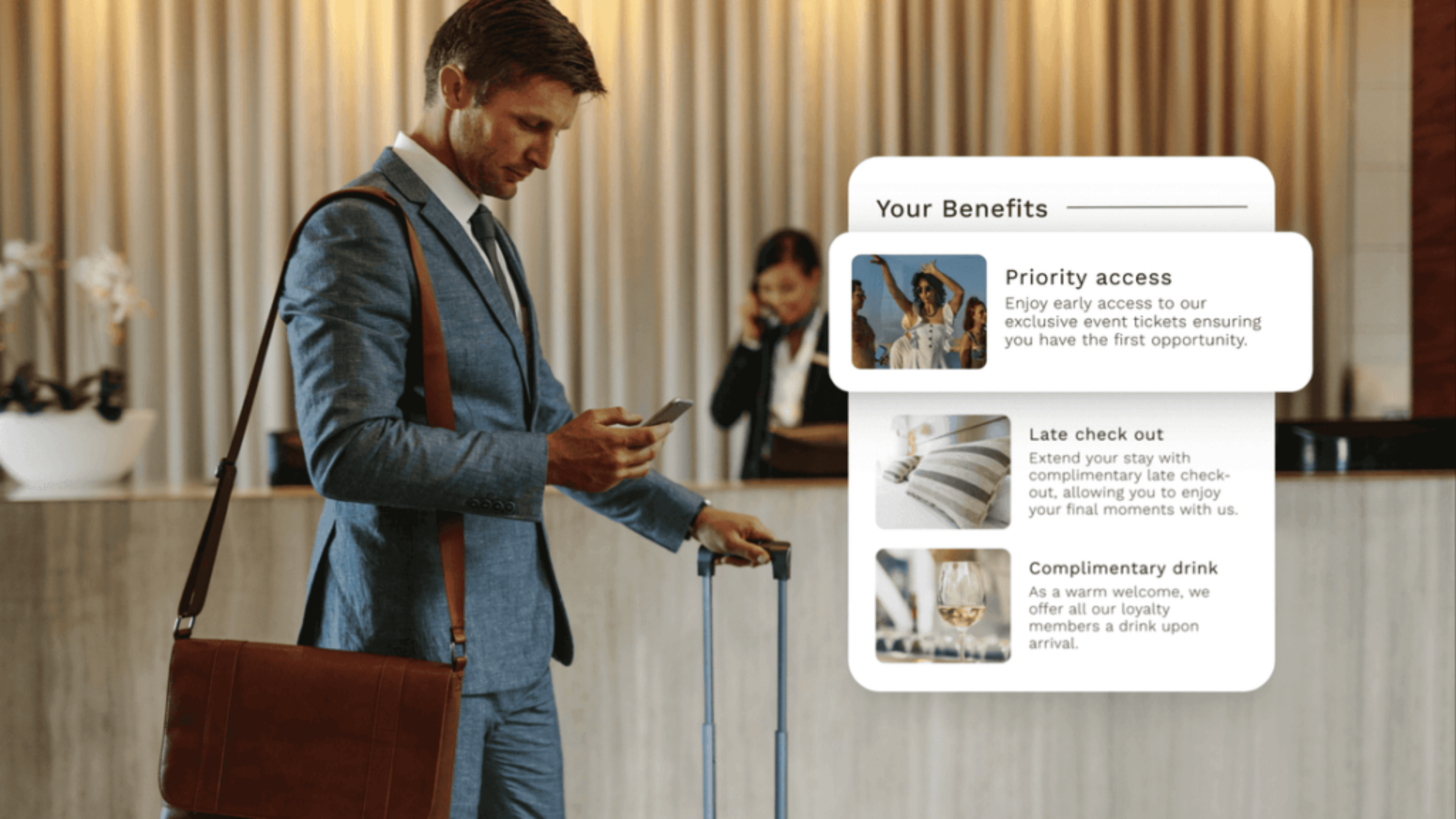

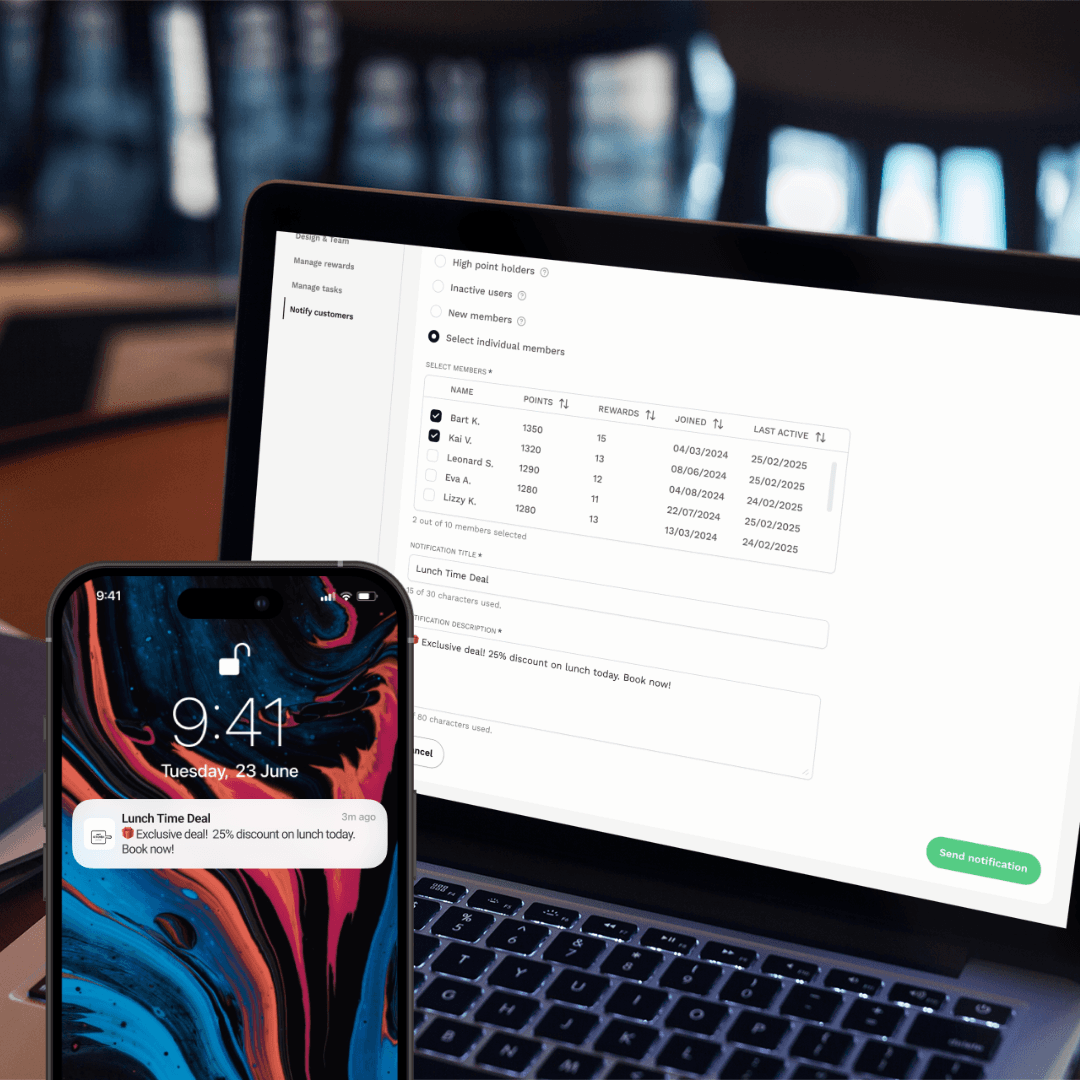
We provide the technology and simplicity to turn customers into loyal fans, without the complexity or cost of building it yourself.