ARTICLE
Zero-Party Data in Loyalty Programs

Fast, no code setup
Increase sales on autopilot
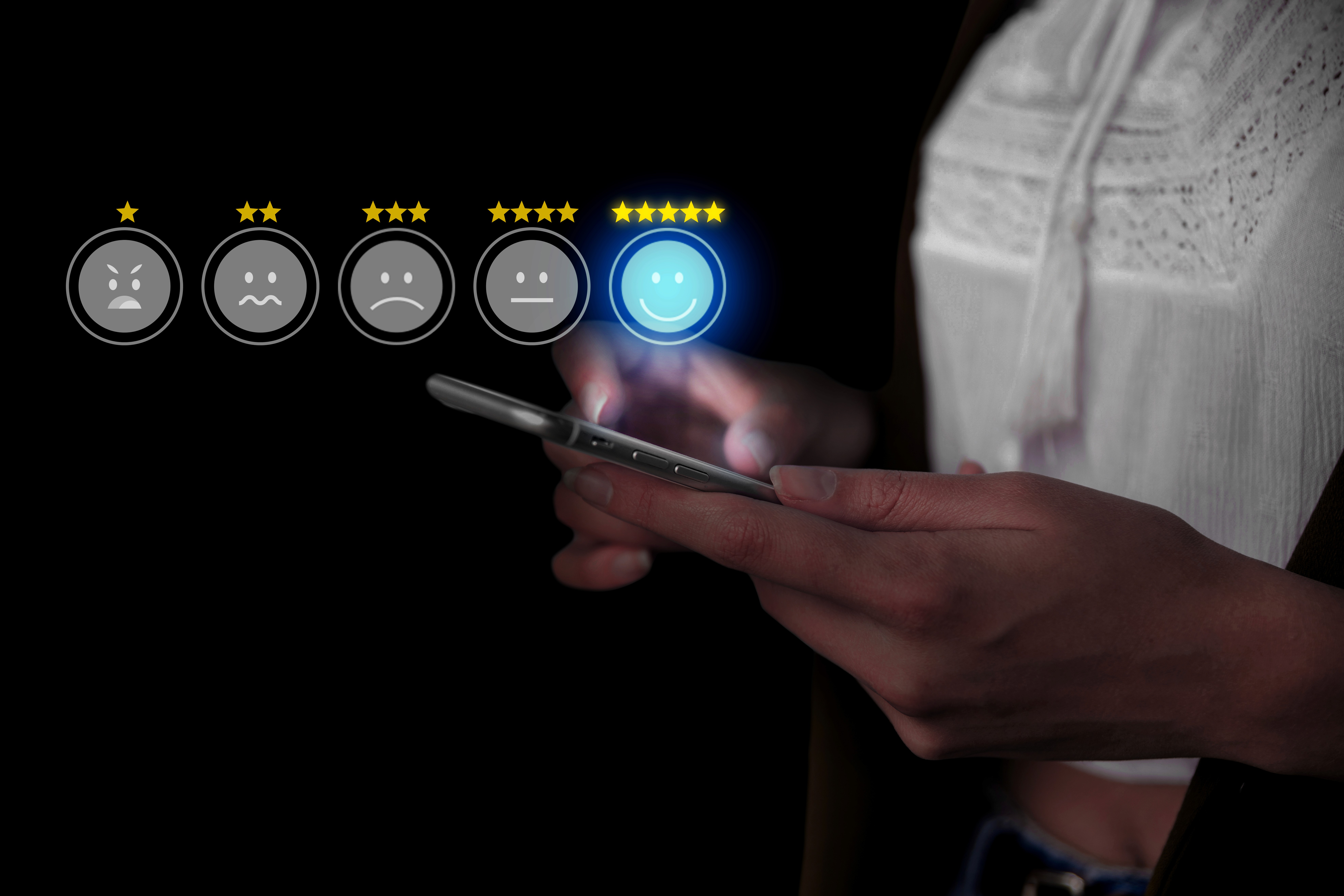
Zero-party data in loyalty programs gives you something most brands still struggle to earn: direct customer input with clear permission. Instead of guessing what customers want from clicks, purchases, or cookie-based tracking, you ask them - and they tell you. That makes loyalty programs one of the most practical environments for collecting preference data, feedback, intent, and context in a way that feels useful to both sides.
For brands, that means stronger personalization, better segmentation, and less reliance on inferred signals alone. For customers, it means a more relevant experience, more control over what they share, and a clearer value exchange. In a privacy-first market where third-party data has lost reliability and trust matters more than ever, loyalty programs are a natural place to collect and activate zero party data at scale.
What is zero-party data?
Zero-party data is information a customer intentionally and proactively shares with a brand. That can include preferences, interests, product needs, communication preferences, goals, size or fit details, birthdays, lifestyle information, or feedback on what they want more or less of.
The key difference is consent and clarity. This data is not modeled, scraped, bought, or inferred. It is voluntarily provided by the customer, usually because they expect something valuable in return, such as better recommendations, more relevant rewards, faster service, or a more personalized loyalty experience.
In loyalty programs, zero-party data often comes from onboarding questions, profile completion flows, quizzes, surveys, questionnaires, feedback requests, or engagement challenges. Because the customer is already in a brand relationship, the ask can feel more natural than in a cold acquisition flow.
How zero-party data differs from first-party, second-party, and third-party data
Many teams mix these data types together, but the distinction matters when you build a loyalty strategy.
Zero-party data
Zero-party data is explicitly shared by the customer. It tells you what they say they want, prefer, need, or intend. Examples include favorite product categories, skin concerns, preferred appointment times, dietary preferences, or whether they are shopping for themselves or someone else.
First-party data
First-party data is collected from customer interactions on your own channels. This includes purchase history, website behavior, app usage, visit frequency, booking data, redemptions, and email engagement. It is highly valuable, but it usually shows what customers did, not always why they did it.
Second-party data
Second-party data is another company's first-party data shared through a direct partnership. This can help in specific collaboration models, but it is not the same as customer-declared intent within your own loyalty ecosystem.
Third-party data
Third-party data is aggregated by external providers from multiple sources and sold to brands. It has become less dependable due to privacy regulation, browser restrictions, data quality issues, and reduced consumer trust.
Why the difference matters in loyalty
Data type | Source | What it tells you | Loyalty value
|
|---|---|---|---|
Zero-party | Voluntarily shared by customer | Preferences, intent, context | Best for explicit personalization |
First-party | Owned channels and interactions | Behavior and transaction history | Best for behavioral analysis |
Second-party | Trusted partner | Shared audience insights | Useful in selected partnerships |
Third-party | External vendors | Aggregated audience signals | Less reliable and less strategic today |
The strongest loyalty programs do not choose between zero-party and first-party data. They combine them. Behavior shows patterns, while zero-party data adds meaning.
Why zero-party data matters more in a privacy-first market
The shift away from third-party cookies and opaque tracking did not just change ad tech. It changed what good customer data looks like. Brands now need data they can explain, defend, and actually use. Zero-party data fits that requirement because it is transparent by design.
Customers have also become more selective. They understand that their information has value, and they are more likely to share it when the purpose is obvious. In loyalty programs, that value exchange is easier to make clear. A customer answers a few preference questions and gets more relevant rewards. They complete a profile and receive offers tied to their actual interests. They give feedback and see the program improve.
This is especially important when inferred data can lead to bad assumptions. If someone buys running shoes once, that does not necessarily mean they are a runner, loyal to a brand, or interested in race-day content. But if they tell you they are training for a half marathon and prefer trail shoes, your loyalty messaging becomes much more useful. That is the advantage of zero-party data in loyalty programs: less guesswork, more relevance.
Why loyalty programs are ideal for collecting zero-party data
Loyalty programs create a structured reason for customers to share information. The relationship already includes rewards, benefits, recognition, and repeat engagement. That makes the request for data feel less intrusive and more reciprocal.
There are four reasons loyalty programs work especially well for zero party data collection:
Clear value exchange - customers understand what they get back, whether that is points, perks, access, personalization, or convenience.
Repeated touchpoints - loyalty creates multiple moments to ask for small pieces of information over time instead of forcing one long form upfront.
Better context - questions can be tied to purchases, visits, bookings, seasons, milestones, or preferences already visible in the customer journey.
Easier activation - the data can be used directly in rewards, messaging, segmentation, and customer experience design.
This is also where loyalty becomes more than a points engine. A strong program helps you learn from customers, not just track transactions. That shift moves the program closer to relationship building and away from one-dimensional discount logic.
What zero-party data can a loyalty program collect?
The best data to collect is data you can actually use to improve the experience. That usually means preference and context data rather than broad, generic profiling.
Preference data
Favorite product categories
Preferred services or treatments
Dietary or lifestyle preferences
Communication channel preferences
Reward preferences
Intent data
Current goals or needs
Planned purchases
Interest in specific launches or events
Whether someone is buying for themselves or as a gift
Profile and milestone data
Birthday or anniversary
Location preferences
Skill level or experience level
Membership tier aspirations
Feedback data
Satisfaction with rewards
Service feedback
Reasons for reduced engagement
Feature requests or content interests
For sectors like beauty, hospitality, sports, and wellness, these signals can be highly actionable. A salon may ask about hair goals, preferred appointment times, and product interests. A restaurant loyalty program may collect dietary preferences and favorite order times. A sports or club concept may ask about activity level, goals, and event interest.
How to collect zero-party data in loyalty programs without hurting conversion
One of the biggest mistakes brands make is asking for too much information too early. If your loyalty sign-up feels like an application form, conversion drops. The better approach is progressive collection: ask for the minimum needed to join, then collect richer inputs over time as the relationship grows.
Use onboarding questions sparingly
Start with one to three questions that have obvious personalization value. For example:
What are you most interested in?
Which rewards do you prefer?
How often do you want to hear from us?
Build profile completion incentives
Offer a small reward for completing preference fields after sign-up. This works well because the value exchange is immediate and easy to understand.
Use surveys and questionnaires at meaningful moments
Ask questions after a visit, after a redemption, before a launch, or around a seasonal campaign. Timing matters as much as question quality.
Turn data collection into engagement
Quizzes, polls, challenges, and feedback actions often perform better than static forms. They feel lighter, more interactive, and more connected to the loyalty experience itself.
Ask only what you can activate
If the answer will not improve messaging, rewards, service, or segmentation, do not ask for it. Good zero-party data strategy is focused, not exhaustive.
Practical ways to use zero-party data inside a loyalty program
Collecting data is only useful if the customer can feel the result. The activation layer is what makes zero-party data worth the effort.
Personalized rewards and offers
If a member tells you they care about premium services, early access may be more effective than a standard discount. If they prefer a certain product category, you can prioritize rewards that match that interest.
Smarter segmentation
Declared preferences can improve your audience logic. Instead of segmenting only by spend or visit frequency, you can group members by goals, interests, service type, or reward preference.
Better lifecycle messaging
Zero-party data helps shape welcome journeys, reactivation flows, birthday campaigns, and milestone communication with more relevance and less generic messaging.
Improved product or service recommendations
Behavioral data may suggest what someone clicked. Declared preferences can explain what they actually want next.
Program optimization
Feedback and preference data can show which rewards members value, which mechanics create friction, and where the program needs adjustment.
Examples of zero-party data collection in loyalty programs
Different program formats can collect different kinds of customer-declared data. The right model depends on your brand, customer journey, and the type of loyalty experience you want to build.
Loyalty interaction | Zero-party data collected | Potential use
|
|---|---|---|
Welcome quiz | Interests, goals, preferences | Onboarding personalization |
Profile completion challenge | Birthday, channel preferences, favorites | Triggered campaigns and rewards |
Post-purchase survey | Satisfaction, intent, feedback | Retention and service improvements |
Reward preference poll | Desired benefits | Reward catalog optimization |
In-app questionnaire | Needs, use case, context | Segmentation and recommendations |
Within a modern white-label loyalty setup, these interactions can be part of challenges, surveys, questionnaires, feedback flows, or other engagement mechanics. That makes zero-party data collection part of the program experience rather than a disconnected form-filling exercise.
Common mistakes brands make with zero-party data in loyalty programs
Even good intentions can produce poor results if the collection strategy is weak. These are the most common issues.
Collecting data without a visible benefit - customers share more when the return is clear.
Asking too many questions at once - long forms reduce sign-up and create friction.
Failing to act on the answers - if personalization never improves, trust drops.
Using vague questions - broad prompts often produce data that is hard to activate.
Relying only on inferred behavior - behavior matters, but it does not replace direct customer input.
Ignoring consent and transparency - privacy clarity is part of the value exchange.
How to design a strong value exchange for zero-party data
Customers do not share quality data because a brand asks nicely. They share it when the exchange feels fair. The strongest loyalty programs make that exchange visible in the moment.
A good model is simple: tell customers what you are asking, why you are asking, and what improves for them when they answer. That improvement can take different forms:
More relevant rewards
Faster discovery of the right products or services
Fewer irrelevant messages
Access to tailored offers or experiences
A program that adapts to their preferences over time
This is where many loyalty programs underperform. They ask for customer data, but the benefit is abstract. If the reward is immediate and the personalization is noticeable, completion rates and data quality tend to improve.
How zero-party data supports personalization, trust, and retention
The real power of zero-party data in loyalty programs is not just better targeting. It is better relationships. When customers see that your brand understands your data and your customers, the experience feels more useful. When they know they shared the data intentionally, the interaction feels more transparent. Together, those two factors support trust.
That trust can strengthen retention in practical ways. Members are more likely to stay engaged when offers match their interests, when communication frequency reflects their preferences, and when the program feels designed around them rather than around generic promotional pushes.
In other words, personalization is not the end goal. The end goal is a loyalty experience that feels relevant enough to keep using.
How brands can operationalize zero-party data with loyalty technology
To make zero-party data useful, your loyalty setup needs more than a form builder. It should connect customer input to the rest of the loyalty experience. That includes rewards logic, segmentation, messaging, and performance tracking.
In practice, brands often need three capabilities:
Flexible collection mechanics such as surveys, questionnaires, feedback prompts, and engagement challenges
Data connectivity with POS systems, booking tools, ecommerce environments, or APIs so customer input can be combined with behavioral signals
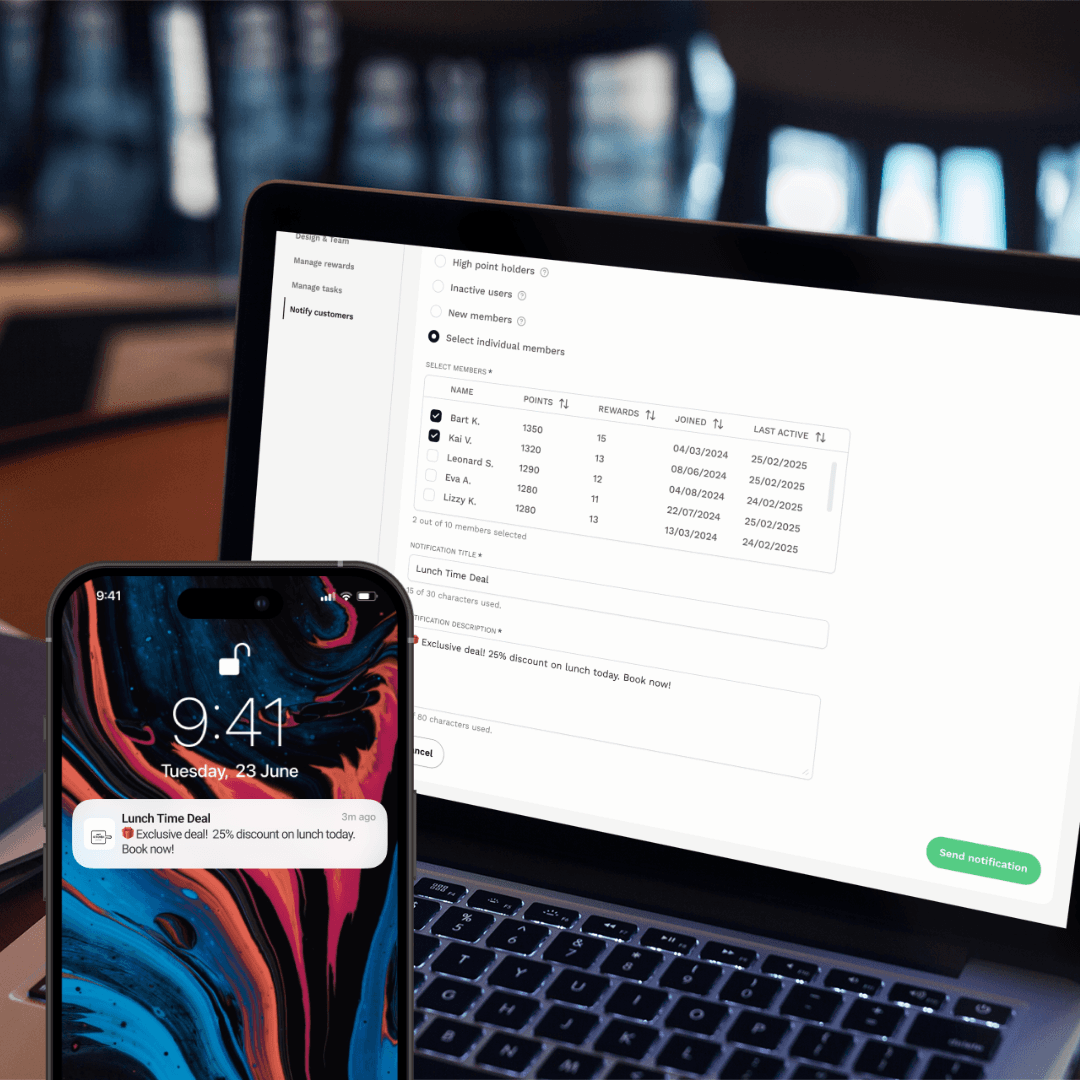
Activation options such as personalized notifications, member journeys, reward targeting, and KPI measurement
That is why many brands look at business-owned loyalty infrastructure instead of generic third-party reward schemes. When the program is branded and connected to your own customer journey, the value of zero-party data increases because you control how it is collected, interpreted, and used.
FAQ about zero-party data in loyalty programs
What is the main benefit of zero-party data in loyalty programs?
The biggest benefit is better personalization based on what customers explicitly tell you. That makes your loyalty program more relevant, improves trust, and reduces reliance on assumptions.
Is zero-party data the same as first-party data?
No. First-party data comes from customer behavior on your own channels, while zero-party data is intentionally shared by the customer. Both are valuable, but they answer different questions.
How do loyalty programs collect zero party data?
Common methods include onboarding questions, profile completion flows, quizzes, surveys, polls, questionnaires, feedback requests, and engagement challenges tied to rewards or points.
Why are loyalty programs better than generic forms for collecting zero-party data?
Loyalty programs provide a clearer value exchange. Customers already expect benefits, recognition, and personalization, so sharing preferences or feedback feels more natural than filling out a disconnected form.
What kind of zero-party data should a brand collect first?
Start with data that directly improves the customer experience. Good first examples are interests, reward preferences, communication preferences, birthdays, product needs, or service goals.
Can zero-party data improve retention?
Yes. When customers receive more relevant rewards, better-timed communication, and a loyalty experience aligned with their preferences, engagement and retention often improve.
Does zero-party data replace behavioral data?
No. The best approach combines zero-party data with first-party behavioral data. Customer-declared preferences add context to transactions, visits, and engagement patterns.
How often should you ask loyalty members for zero-party data?
Ask gradually and contextually. Use onboarding for a few high-value questions, then collect more information over time through surveys, milestones, and targeted engagement moments.
What is a good example of a value exchange?
A customer completes a short preference questionnaire and receives a more tailored reward selection, more relevant recommendations, or points for participating. The benefit should be clear and immediate.
What should brands avoid when using zero-party data in loyalty programs?
Avoid asking too much too soon, collecting data you cannot use, and failing to show customers how their input improves the experience. If the program does not act on the data, trust erodes quickly.

Founder & CEO
Founder & CEO of Authic. Wouter helps businesses build lasting customer relationships through branded loyalty apps that drive engagement, repeat visits, and growth.

Continue reading



We provide the technology and simplicity to turn customers into loyal fans, without the complexity or cost of building it yourself.