Fast, no code setup
Increase sales on autopilot

Not every loyalty model fits the way padel clubs actually grow. Padel is social, booking-led and highly dependent on repeat play, group habits and court utilization. That means the best types of loyalty in padel clubs do more than hand out discounts. They help you increase repeat bookings, fill quieter court hours, reward referrals, grow coaching revenue and keep more player data inside your own club ecosystem.
If you are comparing different kinds of loyalty for a padel venue, the strongest options usually include points, stamp cards, tiers, memberships, challenges and referral rewards. The right setup depends on your club’s goals, your revenue mix and how often players come back. Below, you will find the most relevant loyalty categories for padel clubs, when to use them and how they work in practice.
Why loyalty works differently in padel clubs
Before choosing a model, it helps to understand what a padel club loyalty program is before comparing specific structures. In many clubs, the biggest challenge is not getting first-time interest. It is turning occasional players into weekly regulars. A player may enjoy their first session, but that does not automatically create habit, preference or routine.
Padel also has a built-in coordination problem. Most matches require four players, which means rebooking often depends on a group, not one person. If the next session is not organized quickly, players can drift to another venue, another booking platform or another plan entirely. That makes time-to-rebook a critical metric.
There is also a strong peak and off-peak imbalance in most clubs. Evenings and weekends can fill naturally, while weekday mornings or quieter daytime slots stay underused. A good loyalty program should not only reward loyalty in general. It should help shape demand and move behavior toward the times and actions that matter most to the business.
Finally, revenue in padel is often spread across more than court rental alone. Many clubs also sell lessons, clinics, events, pro shop purchases, drinks and snacks. So when people ask what the four types of loyalty are, or what are the different kinds of loyalty in a padel context, the practical answer is this: the strongest categories reward both frequency and value, while supporting retention, community and utilization.
Main types of loyalty in padel clubs
The best loyalty program types for padel clubs usually fall into a small set of proven structures. Each one influences behavior in a different way, so the goal is not to pick the most complex option. It is to choose the one that matches your operational priorities.
1. Points-based loyalty programs
A points program is one of the most flexible loyalty models for padel clubs. Players earn points when they complete valuable actions, then redeem those points for rewards. This works well because clubs can apply points to far more than just bookings. You can reward court reservations, lessons, event sign-ups, shop purchases, bar spend, referrals and even off-peak play.
Points-based loyalty is especially useful when a club wants one system that covers several revenue streams. It gives you room to align rewards with what matters most commercially. For example, you may want to award more points for a clinic booking than for a drink purchase, or add temporary point multipliers during quieter court hours.
Common examples include:
1 point per euro spent across bookings, coaching and retail
bonus points for weekday morning bookings
extra points when a player joins a tournament or brings a friend
redemption options such as court credit, free clinic access or pro shop perks
This is often the best option for clubs that want flexibility, automation and easy expansion over time.
2. Court-time loyalty programs
Instead of rewarding spend, some clubs reward actual time played. In this model, players earn value based on minutes or hours on court. This fits padel particularly well because play frequency is often a better retention signal than transaction size.
A court-time system is useful if your main objective is habit formation. It keeps the program closely tied to participation, which makes the value proposition easy for players to understand. The more you play, the more you unlock.
Examples include:
1 point for every 5 or 10 minutes played
milestones that unlock court credit after a set number of hours
accelerators for complete foursomes or recurring squad bookings
bonus rewards for maintaining weekly play consistency
This category is also helpful when not all club spend runs through a single point-of-sale flow, but booking data is reliable. For many clubs, court-time loyalty feels more sport-specific and less transactional than standard spend rewards.
3. Stamp card loyalty
Stamp cards are one of the simplest categories of loyalty. They work by rewarding repeated actions with a visible progress mechanic, such as play 8 times and get the 9th reward. In padel clubs, this is often used for court sessions, coffee or drinks, beginner clinics or casual player activation.
The biggest advantage is low friction. Players understand the mechanic immediately, and clubs can launch it without a complex reward economy. That makes stamp cards a strong entry point for clubs that want to validate loyalty demand before building a broader program.
Typical examples are:
8 bookings = 1 free court hour or booking credit
4 clinics = 5th clinic free
buy 9 drinks or snacks = 10th free
The limitation is that stamp cards are less flexible than points systems. They are ideal for simple repeat behavior, but less effective if you want to reward multiple actions or personalize rewards by segment. If you are deciding between points or punch card loyalty, this trade-off is usually the key consideration.
4. Tiered loyalty programs
Tiered loyalty introduces status progression. Players move through levels such as Silver, Gold and Platinum based on activity, spend, visits or a mix of signals. This model is powerful because it combines reward with recognition. Players are not only earning benefits. They are earning status inside the club.
For padel clubs, tiers work best when the benefits are practical rather than gimmicky. Utility tends to outperform novelty. Players respond well to advantages that make booking easier or improve their club experience.
Common tier benefits include:
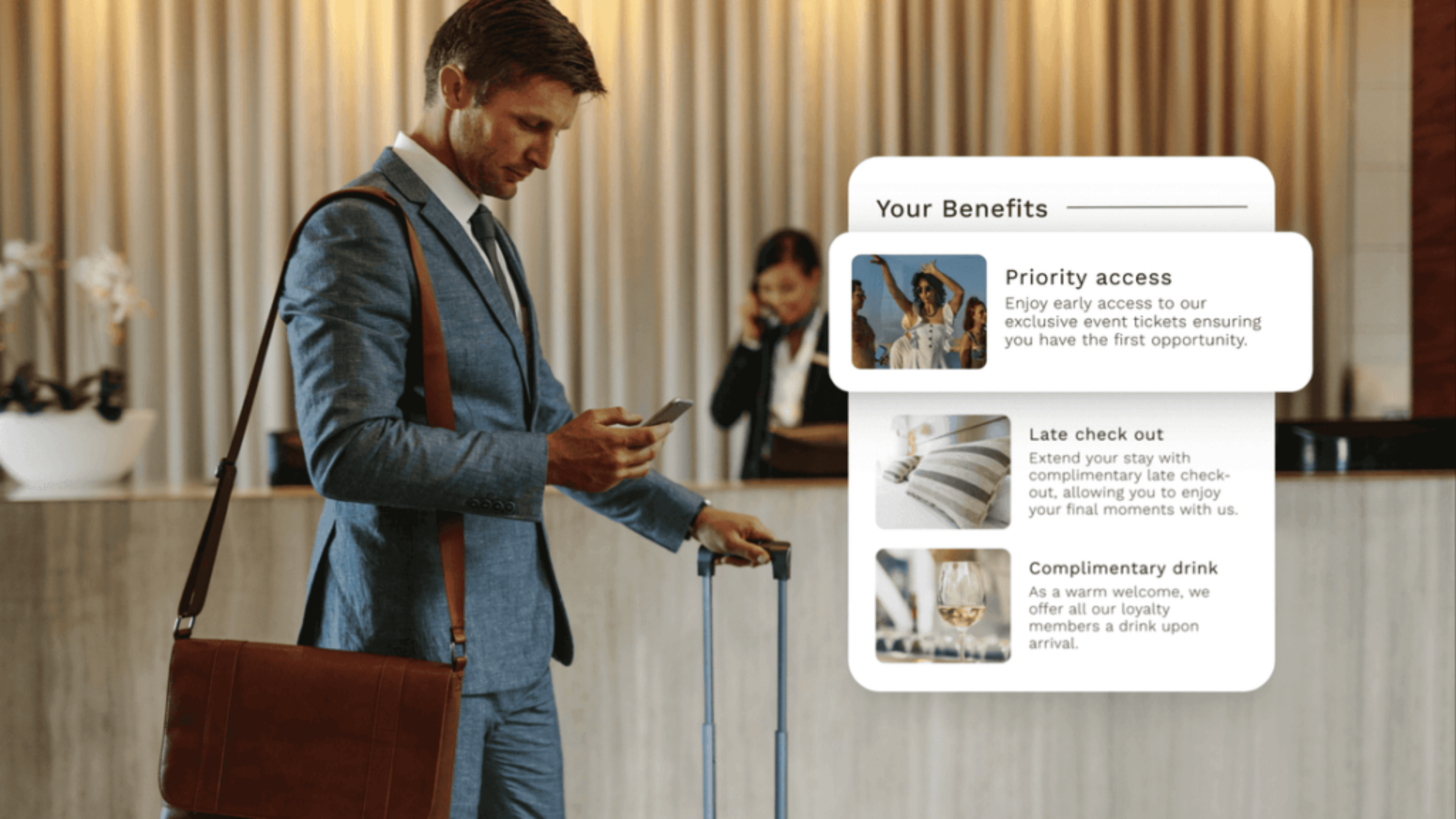
early access to prime-time booking windows
priority access to events, ladders or leagues
birthday rewards or guest passes
exclusive clinic spots or partner rewards
point multipliers at higher tiers
Tiered loyalty is often strongest when layered on top of points or play-based earning. It creates a reason to keep progressing, while also helping your club distinguish between casual, growing and high-value members. If this is your preferred structure, learn how to design a tiered loyalty program that fits club operations.
5. Challenge and streak-based loyalty
Challenges reward consistency, momentum and specific behaviors over time. Instead of simply collecting points forever, players are nudged into completing missions. This can be very effective in padel because regularity is often the bridge between casual interest and weekly habit.
Streaks are a common version of this model. A club might reward players who book once a week for four consecutive weeks, complete three morning sessions in one month or combine a match with a lesson in the same period.
Examples of challenge mechanics include:
play every week for 4 weeks and unlock a reward
book 3 off-peak matches this month for bonus points
join 2 clinics and 2 matches in 30 days to unlock a guest pass
complete a new-player mission during the first 45 days
This type of loyalty is valuable when you want to guide behavior actively, not just reward it passively. It is also useful for onboarding new players and reducing early drop-off. Clubs that want to push this further can explore a gamified loyalty program approach.
6. Referral loyalty for squads and social growth
Referral rewards are one of the most natural loyalty types for padel clubs because the sport grows through groups. Players rarely arrive in isolation for long. They invite partners, form recurring squads and build routines together. A referral model turns that social behavior into a trackable retention engine.
The best referral structures reward both sides of the action. The existing player gets a meaningful benefit, and the new player gets a welcome incentive that helps start their own loyalty journey.
Examples include:
refer a first-time player and both receive booking credit
bonus points when the referred player completes their second visit
squad rewards when a new player joins and rebooks within 30 days
referral challenges tied to leagues, clinics or social events
This model is especially useful for clubs that want lower acquisition costs while improving community engagement at the same time.
7. Off-peak loyalty incentives
Off-peak rewards are designed to shift demand into less busy hours without relying on heavy discounting. For many clubs, this is one of the highest-impact loyalty categories because unused court time cannot be recovered later. Once a slot passes empty, that revenue opportunity is gone.
Loyalty incentives solve this by adding value instead of cutting price. That helps protect the brand while still changing player behavior.
Effective off-peak examples include:
double points on weekday mornings
extra stamps for daytime matches
limited-time challenges tied to quiet court windows
special member-only rewards during off-peak periods
This approach works best when clubs rotate boosted windows and communicate them clearly through notifications, wallet passes or booking reminders.
8. Membership loyalty programs
Memberships are another important type of loyalty in padel clubs. Instead of rewarding behavior after it happens, memberships package value into an ongoing relationship. These can be free, invite-only or paid, depending on the club’s positioning.
A free membership can give players a clear identity inside the ecosystem and make it easier to deliver benefits. A paid membership goes further by creating predictable recurring revenue while offering premium access or value.
Examples include:
member-only booking windows
reduced court fees at certain times
exclusive event access
discounted lesson packs
included guest passes or monthly perks
Memberships are especially relevant for clubs with strong demand, a community-led brand and enough perceived value to justify exclusivity or recurring payment.
9. Partner rewards and community loyalty
Some clubs expand loyalty beyond the venue itself through partner rewards. This means points or status can unlock benefits with complementary brands, such as local gyms, wellness partners, cafés or sports retailers. While this is not the first layer most clubs should launch, it can strengthen perceived value once the core loyalty system is already working.
Partner rewards are useful because they make the program feel broader than a simple discount loop. They also help position the club as part of a wider local sports and lifestyle community.
This type works best when:
the club already has active members who engage regularly
partner offers are genuinely relevant to players
the value is clear and easy to redeem
the reward strengthens the club brand rather than distracting from it
What are the four types of loyalty that matter most for most padel clubs?
If you want a simpler answer to the question what are the four types of loyalty, the most commercially useful four for most padel clubs are points, stamp cards, tiers and memberships. These cover the majority of loyalty goals:
Points for flexibility across bookings, spend and engagement
Stamp cards for simple repeat-visit behavior
Tiers for status and progression
Memberships for recurring value and exclusivity
That said, many clubs improve results further by adding referrals, challenges and off-peak boosters on top of one of these core structures.
How to choose the right loyalty model for your padel club
The best model depends less on what is trendy and more on the problem you need to solve first. Loyalty design should always begin with your primary business objective.
If your goal is more repeat bookings
Start with court-time rewards, session stamp cards or points tied to bookings. These are the clearest habit-building models and usually easiest for players to understand.
If your goal is stronger off-peak utilization
Use points or stamps with time-based boosters. Challenges can also work well here, especially if you want to rotate activity into specific hours without permanently discounting courts.
If your goal is more total spend per player
A points-based system is usually the strongest option because it can reward bookings, coaching, retail and food or beverage purchases within one framework.
If your goal is premium positioning
Tiered benefits and paid memberships are the best fit. These models create exclusivity and support stronger perceived value through access, convenience and recognition.
If your goal is faster community growth
Referral rewards, squad-based incentives and event challenges are often the most natural choices. They match how padel players already behave socially.
Best loyalty rewards for padel players
The reward itself matters as much as the mechanic. In many clubs, practical value beats generic discounts. Players usually respond better to benefits that make it easier to play more often, book sooner or access better experiences.
Strong reward options include:
court credit or partial booking credit
early access to prime-time courts
free clinic spots or lesson upgrades
event entry perks
guest passes
birthday rewards
exclusive member offers
partner rewards with local sports or lifestyle brands
Weak rewards are usually those with low relevance, unclear value or too much redemption friction.
How modern padel clubs combine loyalty types
Most successful clubs do not rely on one isolated loyalty mechanic forever. They build a simple base layer, then add targeted mechanics as they learn which player behaviors drive growth. The key is sequencing. Start simple, then expand with intention.
A common progression looks like this:
Launch a simple points or stamp card system
Add off-peak boosters to improve utilization
Introduce referral rewards to grow social acquisition
Layer in tiers for status and retention
Add challenges, memberships or partner rewards for segmentation
This approach is often more effective than launching an overly complicated setup on day one. Players adopt simple systems faster, and clubs get cleaner data on what actually moves behavior. Once you have chosen your model, the next step is to build a successful loyalty program around clear goals and tracking.
Common loyalty mistakes in padel clubs
Rewarding only bookings when coaching, events and retail also matter
Using discounts as the default reward instead of utility-based perks
Setting thresholds too high so players lose motivation before the first reward
Ignoring off-peak strategy even though utilization is a major revenue lever
Making the program too hard to understand with unclear earning and redemption rules
Not using notifications or reminders to keep the program visible between visits
Failing to connect systems so bookings, purchases and engagement are tracked in separate silos
What makes loyalty easier to run at scale
As clubs grow, the operational side matters more. Manual loyalty systems often become difficult to maintain, especially when you want to reward more than one action type. That is why many clubs move toward branded digital loyalty with wallet passes, automated tracking and integrations with booking tools, webshop flows and POS systems.
A scalable setup usually includes:
automatic tracking for bookings, purchases or check-ins
a clear campaign builder for creating rewards and challenges
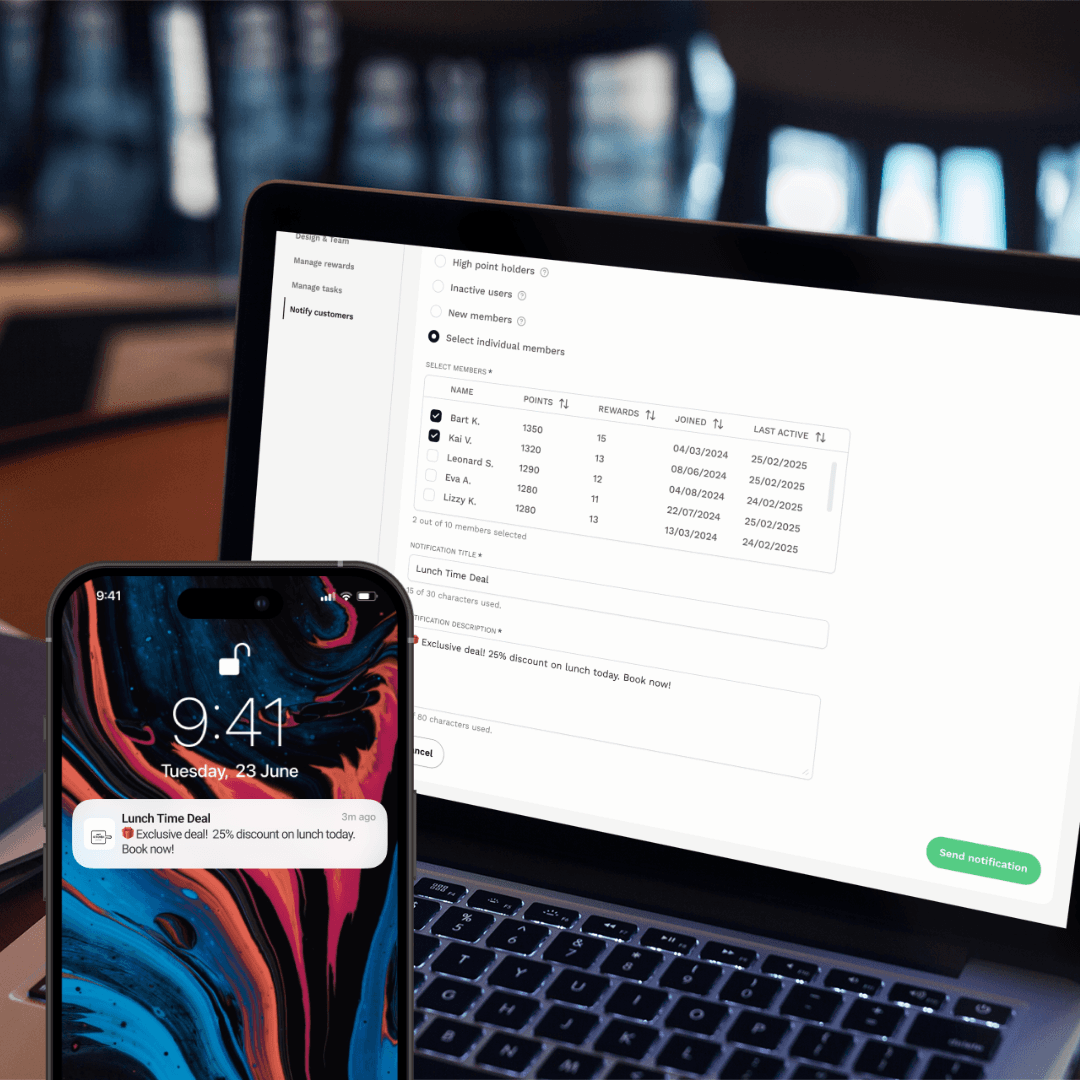
notifications to prompt rebooking and promote quieter time slots
analytics to monitor retention, reward cost and player progression
flexibility to support points, tiers, memberships, leaderboards and rewards in one system
For padel clubs that want to keep their own brand, customer data and player relationship, a white-label model is often more valuable than outsourcing loyalty entirely to a marketplace.
FAQs about types of loyalty in padel clubs
What are the different kinds of loyalty in padel clubs?
The main kinds of loyalty in padel clubs are points programs, court-time rewards, stamp cards, tiered loyalty, memberships, challenges, referral rewards, off-peak incentives and partner rewards. The best choice depends on whether your main goal is retention, utilization, revenue growth or community building.
What are the categories of loyalty most clubs should start with?
Most clubs should start with a simple points program or stamp card. These are easy for players to understand and easy for clubs to launch. Once that base is working, tiers, referrals or off-peak boosters can be added to shape more specific behavior.
Which loyalty type is best for increasing repeat bookings?
Court-time rewards, booking-based points and session stamp cards are usually best for repeat bookings. They directly connect the reward to play frequency, which helps turn occasional visits into a regular habit.
Which loyalty type is best for off-peak court utilization?
Off-peak boosters within a points or stamp system are often the most effective. For example, you can offer double points or extra stamps for weekday daytime bookings instead of lowering prices.
Should padel clubs use points or stamp cards?
Use stamp cards if you want simplicity and one clear behavior, such as repeated court sessions or clinic attendance. Use points if you want flexibility across bookings, coaching, retail, referrals and event participation. Many clubs compare points vs subscription programs as well when deciding how much flexibility versus recurring structure they want.
Are paid memberships a loyalty program?
Yes, paid memberships are a type of loyalty model when they create ongoing value, exclusivity and stronger retention. They are especially useful for clubs with premium demand, community strength and enough benefits to justify recurring payment.
What rewards do padel players value most?
Players usually value practical rewards most, such as court credit, early booking access, clinic perks, guest passes, event access and relevant partner rewards. Utility generally beats novelty.
Can a padel club combine multiple loyalty types?
Yes. Many of the best programs combine a base mechanic like points or stamps with tiers, challenges, referrals or memberships. The important part is to keep the structure clear enough that players understand how to earn and use rewards.
How can a club launch loyalty without making it complex?
Start with one core earning mechanic, one clear first reward and one business goal. From there, add features such as off-peak campaigns, tier progression or community challenges only when they solve a specific operational need.

Founder & CEO
Founder & CEO of Authic. Wouter helps businesses build lasting customer relationships through branded loyalty apps that drive engagement, repeat visits, and growth.

Continue reading


We provide the technology and simplicity to turn customers into loyal fans, without the complexity or cost of building it yourself.