Fast, no code setup
Increase sales on autopilot

Beauty brands, salons, clinics, spas, and barbershops do not need more random customer data. They need better data that customers choose to share. That is where zero-party data beauty loyalty programs stand out. When your loyalty experience gives people a clear reason to share preferences like skin type, hair goals, sensitivity, style preferences, and preferred appointment times, you can create more relevant rewards, routines, bundles, and messaging without relying on guesswork.
For beauty and wellness businesses, this matters because loyalty is not just about points. It is about building a more personal relationship across bookings, purchases, check-ins, and follow-up campaigns. With the right setup, a beauty loyalty program becomes a consent-based data engine that improves personalization, strengthens retention, and makes every touchpoint feel more tailored.
What zero-party data means in beauty loyalty
Zero-party data is information a customer intentionally and proactively shares with a brand. In beauty, that can include skin concerns, hair texture, treatment goals, ingredient preferences, fragrance likes or dislikes, service interests, and communication preferences. Unlike inferred data, this is not something a platform guesses based on behavior alone. The customer tells you directly.
That direct input is especially valuable in beauty because personal needs are nuanced. Two customers may buy the same serum for completely different reasons. One may want hydration, while another is focused on sensitivity. A loyalty program creates a natural moment to collect this information with permission, then use it to make the experience more relevant.
Zero-party data also helps reduce the gap between what a customer does and what they actually want. Purchase history can show what someone bought. Zero-party data can show why they bought it, what they hope to achieve next, and what would make them come back.
Why beauty loyalty programs are ideal for collecting zero-party data
Beauty loyalty programs are well suited to zero-party data collection because they already involve an explicit value exchange. A customer joins to unlock rewards, member benefits, exclusive access, or a better overall experience. That makes it easier to ask for relevant preferences in a way that feels useful instead of intrusive.
Beauty is also a category with high repeat potential and strong personalization upside. Customers often return for refill products, recurring services, seasonal treatments, or evolving routines. That means the data they share can improve multiple future interactions, not just one transaction.
In practice, a loyalty program can collect consent-based data during signup, after a booking, inside the app, at check-in, or during milestone moments. Instead of one long form, the program can use progressive profiling. That means asking a few well-timed questions over time, then using the answers to improve the customer journey immediately.
What beauty businesses can collect as zero-party data
The most useful zero-party data is the kind that directly improves service, product relevance, and communication. In beauty and wellness, that usually means practical preference data rather than broad demographic questions.
Skin type and skin concerns
Hair type, hair goals, and styling preferences
Sensitivity or ingredient preferences
Treatment goals and service interests
Preferred appointment times
Product category interests
Communication preferences
Reward preferences
Budget range or premium interest
Lifestyle and routine habits that affect recommendations
When collected carefully, this information supports segmentation, campaign targeting, and more relevant member benefits. It also improves the customer experience because recommendations feel more aligned with real needs.
How to collect zero-party data through a beauty loyalty program
The best zero-party data beauty loyalty programs do not treat data collection as a one-time survey. They build it into the loyalty journey so every question feels connected to a benefit the customer can understand.
1. Ask during loyalty enrollment
Enrollment is the clearest place to start. Keep the first step light and focused on questions that help personalize the experience immediately. For example, ask whether someone is more interested in skincare, haircare, treatments, or wellness services. That gives you a strong starting point without creating friction.
2. Use progressive profiling over time
After signup, ask additional questions at moments where the value is obvious. A skincare customer can be asked about skin type before receiving a routine suggestion. A salon client can share hair goals before a relevant campaign for services or product bundles. This approach keeps participation higher because the request feels timely.
3. Connect data requests to rewards
If you want customers to complete a profile, make the give-and-get clear. Offer points, access to more personalized recommendations, invite-only perks, or tailored rewards. The key is not bribing people with generic incentives, but showing how sharing preferences improves what they receive.
4. Capture preferences around bookings and check-ins
Beauty and wellness businesses often have service moments that retailers do not. A booking flow can collect preferred appointment times, treatment interests, and visit goals. Check-ins can trigger lightweight questions that refine the customer profile without slowing the experience down.
5. Use challenges and interactive loyalty mechanics
Challenges, milestones, and app-based prompts can turn data collection into participation. A skincare challenge might ask members what result they are working toward. A haircare campaign might ask about styling habits. This makes data collection feel like part of the journey rather than admin.
6. Let members update preferences in a profile center
Preferences change. Someone may shift from repair to volume, from facials to injectables, or from in-store treatments to at-home care. A profile center inside a branded loyalty app helps customers update their interests and keeps your data useful over time.
What makes zero-party data more valuable than inferred data alone
Behavioral data still matters. Purchases, bookings, and check-ins tell you what happened. But in beauty, inference alone can easily miss context. A customer may buy a fragrance-free product for herself, for a family member, or just for one specific issue. If you only use transactional data, your next recommendation may be wrong.
Zero-party data adds clarity. It explains motivations, needs, and preferences that behavior cannot fully reveal. That helps businesses avoid generic segmentation and build communication based on stated intent.
Data type | What it shows | Beauty example
|
|---|---|---|
First-party data | Observed actions | Booked a facial, bought a serum, checked in twice this month |
Zero-party data | Stated preferences and goals | Has sensitive skin, wants hydration, prefers evening appointments |
The strongest loyalty strategies use both. The program combines what customers say with what they do, then turns that into better timing, better targeting, and better rewards.
Benefits of zero-party data in beauty loyalty programs
The main reason businesses invest in zero-party data is simple: it makes loyalty more relevant. But the impact goes beyond personalization alone.
Higher quality customer profiles built on explicit consent
Better segmentation for products, services, routines, and campaigns
More relevant rewards tied to actual preferences
Stronger repeat purchase and rebooking potential
Lower reliance on assumptions and incomplete inferred data
Improved trust through transparent data collection
More consistent omnichannel experiences across app, in-store, and service touchpoints
For beauty brands and wellness operators, this often leads to better retention because customers feel understood rather than marketed to broadly.
How zero-party data improves retention, repeat purchases, and CLTV
Top-ranking content consistently connects loyalty to retention and repeat behavior, and that connection is especially strong in beauty. When you know what a customer wants, you can follow up in a way that feels helpful instead of generic.
If a member shares that they have dry skin and prefer fragrance-free products, you can send a replenishment reminder, a suitable bundle, or a member-exclusive reward that fits their routine. If a salon customer shares a hair goal such as repair or curl definition, you can match future service offers and home-care recommendations to that goal. That relevance increases the chance of repeat purchases and repeat visits.
It also improves customer lifetime value because the relationship expands. A customer who starts with one service can be introduced to complementary treatments, products, events, workshops, or premium tiers that genuinely fit their profile. Loyalty then becomes a growth system, not just a discount layer.
How zero-party data supports omnichannel beauty experiences
Beauty journeys rarely happen in one channel. A customer might discover a product online, book a treatment on mobile, visit a location in person, and return later through email or app notifications. If loyalty data is fragmented, the experience feels disconnected.
Zero-party data helps unify that journey because preferences can travel with the customer. A stated skin concern or preferred booking time can support better communication across touchpoints. That makes it easier to recognize members, personalize follow-up, and deliver a more consistent brand experience.
For businesses using a branded loyalty app and connected systems, this can also support a more complete profile across bookings, purchases, and check-ins. The practical result is not just better targeting, but a smoother customer journey.
Examples of zero-party data in beauty loyalty programs
Some of the strongest content in the search results uses examples, because examples make the strategy concrete. In beauty, the most common pattern is simple: ask for preference data, store it in the member profile, and use it to personalize benefits and communication.
Beauty profile personalization
A loyalty program can invite members to complete a beauty profile with questions about skin type, hair goals, sensitivity, and style preferences. Those answers can power personalized rewards, product recommendations, and service suggestions. This is one of the clearest examples of zero-party data because the customer intentionally shares the information in exchange for more relevant experiences.
Appointment-led loyalty journeys
For salons, spas, clinics, and barbershops, a member might share preferred appointment windows, treatment priorities, or service goals. That makes it possible to send smarter reminders, promote the right add-ons, and reduce friction in rebooking. The value exchange is obvious because the experience becomes more convenient.
Preference-based reward paths
Not every member values the same reward. Some want product perks, others want early access, events, upgrades, or partner rewards. Asking what members care about helps shape reward logic that feels more motivating and less generic. This can be especially effective in tiered programs or invite-only memberships.
Routine and bundle personalization
If a member has shared goals such as hydration, repair, glow, scalp care, or sensitivity support, a loyalty program can match those preferences to routines or bundles that feel curated. That raises relevance while keeping the experience permission-based.
Best practices for collecting zero-party data ethically
Collecting more data is not the goal. Collecting the right data, with clarity and consent, is the goal. That is what makes zero-party data sustainable.
Explain why you are asking and how the answer improves the experience
Ask only questions that have a clear use case
Use small, well-timed prompts instead of long forms
Give customers control to update preferences later
Make the value exchange visible through personalization or rewards
Align data collection with privacy expectations and consent standards
These principles matter in every category, but they matter even more in beauty because preferences can feel personal. Respect and transparency are not optional if you want participation and trust.
Common mistakes in zero-party data beauty loyalty programs
Many loyalty programs ask for information without using it well. That leads to lower trust and weaker engagement. The most common mistakes are practical and avoidable.
Collecting too much information at signup
Asking vague questions that do not improve personalization
Failing to connect shared preferences to actual rewards or messaging
Treating the customer profile as static instead of evolving
Relying only on purchases and ignoring stated intent
Creating disconnected data across channels
If a customer shares preferences and never sees a better experience, the program loses credibility. Good loyalty design closes the loop quickly.
What to look for in a beauty loyalty platform
If your goal is to turn loyalty into a real zero-party data strategy, the platform matters. Beauty and wellness businesses need more than a points engine. They need flexibility to collect preference data, activate it across channels, and keep the experience branded and seamless.
Useful capabilities often include a white-label loyalty app, flexible campaign building, loyalty analytics, APIs, tier logic, challenges, partner rewards, notifications, and support for bookings, purchases, and check-ins. These features help businesses move from basic member tracking to a more tailored customer journey.
For beauty and wellness operators that want to launch quickly while keeping control of data and brand experience, Authic is built around branded loyalty programs that support consent-based personalization. That includes the ability to use loyalty as a channel for gathering preference data such as skin type, hair goals, sensitivity, style preferences, preferred appointment times, and product interests, then turning that into more relevant routines, bundles, and rewards. Businesses comparing tools may also want to evaluate loyalty management software for beauty and wellness.
Frequently asked questions about zero-party data beauty loyalty programs
What are some examples of zero-party data in beauty?
Examples include skin type, hair goals, ingredient preferences, sensitivity, treatment interests, style preferences, communication choices, and preferred appointment times. The key is that the customer shares this information directly and intentionally.
What is the difference between zero-party data and first-party data?
First-party data comes from observed behavior, such as purchases, bookings, and app activity. Zero-party data comes from direct customer input, such as stated preferences, goals, and interests. The most effective beauty loyalty programs use both together.
Why is zero-party data useful for beauty loyalty programs?
Beauty decisions are personal and context-driven. Zero-party data helps businesses understand needs more accurately, personalize rewards and communication, and create stronger member experiences based on consent rather than assumption.
How do loyalty programs collect zero-party data without hurting conversion?
They use progressive profiling, clear value exchange, and short, relevant questions. Instead of asking everything at signup, they collect information over time at moments where the benefit is easy to understand.
Can salons and spas use zero-party data the same way as beauty retailers?
Yes, but they often have additional opportunities. Service businesses can collect preference data around bookings, treatment goals, check-ins, and rebooking flows, which makes personalization especially useful for recurring visits.
What loyalty program does Sephora use?
Sephora is widely known for its Beauty Insider program, which is often referenced as an example of beauty loyalty done well. More broadly, it shows how a beauty loyalty program can combine member benefits, personalization, and preference-driven engagement.
What are the most successful loyalty programs in beauty?
The most successful programs usually go beyond discounts. They combine relevant rewards, strong member experiences, personalization, and useful customer data. In beauty, that often means building loyalty around routines, service frequency, exclusivity, and stated preferences.
What are the 4 C's of customer loyalty?
Frameworks vary, but many loyalty strategies center around consistency, convenience, connection, and communication. Zero-party data supports all four by helping brands create more relevant and trusted experiences.
Turning beauty loyalty into a better data strategy
Zero-party data beauty loyalty programs work because they respect what customers actually want: relevance, clarity, and value in return for their attention and information. For beauty and wellness businesses, that means using loyalty to understand preferences directly, personalize the journey, and strengthen retention across products and services.
When done well, a loyalty program becomes more than a reward mechanism. It becomes a consent-based system for better segmentation, smarter personalization, and more meaningful customer relationships. For brands refining program structure, it can also help to design a loyalty program for a salon or spa, explore examples of receipt scanning and zero-party data, or learn how to improve redemption rates in beauty loyalty programs.

Founder & CEO
Founder & CEO of Authic. Wouter helps businesses build lasting customer relationships through branded loyalty apps that drive engagement, repeat visits, and growth.

Continue reading


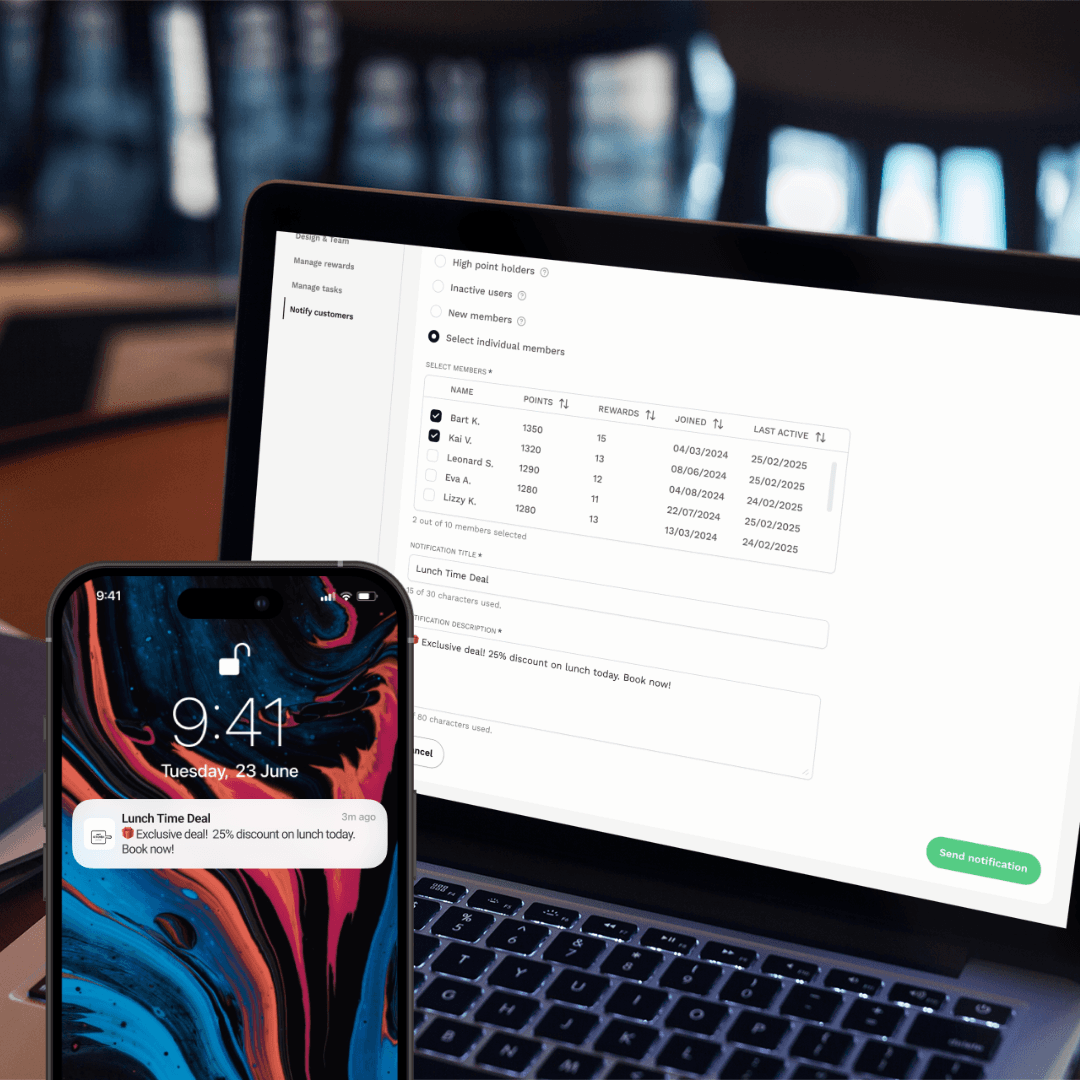
We provide the technology and simplicity to turn customers into loyal fans, without the complexity or cost of building it yourself.