Fast, no code setup
Increase sales on autopilot

Appointment-based loyalty programs work differently from retail rewards. In salons, spas, and clinics, customers do not visit every day, baskets can vary widely, and the real retention challenge happens between appointments. A strong loyalty program must do more than hand out points - it should encourage rebooking, reward care-plan follow-through, support upsells, and bring clients back at the right moment.
That is why the best appointment based loyalty programs for salons, spas, and medspas are built around booking behavior, treatment cadence, and automated communication. Instead of treating every transaction the same, they connect rewards to the moments that matter most: completed appointments, package progress, retail purchases, referrals, and return visits after a lapse.
Below, you will find what makes these programs effective, which loyalty models fit each business type, and how to structure one in a way that feels natural for both clients and staff.
Why appointment-based loyalty needs a different approach
A salon, spa, or clinic does not operate like a coffee shop or fashion retailer. Visits are less frequent, purchase cycles are longer, and client value often depends on repeat care rather than impulse buying. That changes how loyalty should be designed.
In appointment-led businesses, the gap between visits is where many clients drift away. A guest may leave happy after a facial, massage, color appointment, or skin treatment, but still fail to rebook. Weeks later, they may choose a competitor, delay treatment, or simply forget. A loyalty program should actively reduce that drop-off.
The most effective structure usually combines three goals:
increase repeat bookings and rebooking at checkout
keep clients engaged between appointments
reward behaviors that improve lifetime value, not just one-time spend
This is why appointment-based loyalty programs often outperform generic discount systems. They are designed around the way salons, spas, and clinics actually grow: retention first, then frequency, then basket value.
Why salons, spas, and clinics benefit so much from loyalty
In service businesses, acquiring a new client is usually more expensive than keeping an existing one. Marketing costs, introductory offers, staff time, and no-show risk all make first-time acquisition costly. If that client does not return, profitability becomes much harder to maintain.
Loyalty programs help protect revenue by increasing the share of customers who come back on time, complete treatment plans, and add products or upgrades to their visit. Even a small lift in repeat rate can have a meaningful impact when average ticket values are high.
This matters across different business models:
Salons depend on cadence for color, cuts, styling, extensions, and maintenance services.
Spas rely on recurring visits for facials, massage, body treatments, and premium add-ons.
Clinics often need clients to follow a schedule across multiple appointments or longer-term care plans.
In each case, the loyalty system should reinforce the next logical step in the client journey, not just offer a generic reward after spending money.
What appointment-based loyalty programs should reward
The strongest programs do not focus only on points per dollar. They reward the actions that create retention and long-term revenue.
Completed appointments
This is the core of any appointment based loyalty program. Rewarding completed bookings helps turn attendance into habit and gives clients a clear reason to return to the same brand next time.
Rebooking before leaving
One of the highest-value behaviors in salons and spas is booking the next appointment at checkout. A small reward for rebooking can improve retention faster than broad discounting because it captures intent while satisfaction is still high.
Package and treatment-series completion
For skin treatments, laser journeys, recurring facials, wellness plans, and other multi-session services, the real business value comes from completion. Loyalty can reward milestones within a package or care plan to reduce drop-off and improve results.
Retail purchases and home-care follow-through
Retail products often support treatment outcomes. When loyalty includes home-care purchases, it can lift basket size while reinforcing the service journey. This works especially well for skincare, haircare, aftercare, and treatment-supporting products.
Add-ons and upgrades
Programs can also encourage behavior such as adding a booster, premium mask, scalp treatment, longer massage block, or other upgrade. This increases revenue without relying solely on price cuts.
Referrals
Happy clients are often a strong acquisition source for beauty and wellness businesses. Referral rewards fit naturally into loyalty because they turn satisfaction into measurable growth.
Check-ins, engagement, and VIP progression
Some businesses also reward check-ins, event attendance, community participation, or VIP milestones. These mechanics can be especially effective in branded ecosystems where loyalty is tied to a broader customer relationship.
Best loyalty program types for salons, spas, and clinics
Not every loyalty model fits every appointment-based business. The right structure depends on average ticket size, service frequency, operational complexity, and how much flexibility you need.
Visit-based programs
Visit-based rewards are simple and easy for clients to understand. They work well when services are fairly consistent and appointments happen on a predictable cadence. A salon or spa might reward every sixth or eighth completed visit, or unlock a benefit after a set number of bookings.
This model is often a strong fit for businesses that want fast adoption and minimal explanation. It is especially practical when the goal is to drive repeat behavior rather than track many different spend levels.
Points-based programs
Points-based loyalty is more flexible. It suits businesses with wider price differences between services, such as premium salons, spas with multiple treatment categories, or clinics that combine consultations, treatments, products, and packages.
Points can be earned from appointments, purchases, check-ins, or referrals. That flexibility makes this model useful when you want one program to support bookings, retail, and customer engagement at the same time.
Tiered VIP programs
Tiered programs reward clients based on their activity, spend, or loyalty over time. Instead of offering the same reward to everyone, they create status levels with escalating value. This approach can work well for businesses with strong premium positioning or high-value regulars.
The major advantage is psychological. Once a client reaches a preferred tier, they feel they have something to keep. That can strengthen retention, especially in markets with many similar competitors.
Membership-led loyalty
Some appointment-based businesses combine loyalty with memberships. In that structure, recurring revenue forms the base, while loyalty benefits create additional perceived value through perks, bonus points, or exclusive rewards.
This can be highly effective, but it is also more complex operationally. It works best when the business already has clear recurring services, maintenance plans, or premium client segments.
How to choose the right loyalty structure
If you are comparing loyalty programs for salons, spas, and medspas, start with business reality rather than feature lists. The best structure is usually the one staff can explain quickly, clients can understand instantly, and your systems can support consistently.
Business situation | Best-fit loyalty model | Why it works
|
|---|---|---|
Consistent appointment values and repeat visits | Visit-based | Simple, easy to explain, and ideal for repeat booking habits |
Wide variation in ticket size across services | Points-based | More flexible across bookings, purchases, and add-ons |
Premium client base with strong lifetime value differences | Tiered VIP | Creates status, progression, and retention among top clients |
Recurring plans or treatment maintenance models | Membership-led loyalty | Combines predictable revenue with ongoing rewards |
For many businesses, the best starting point is a clean digital loyalty program structure with either visit-based rewards or points for appointments. You can always add tiers, campaigns, or partner rewards later once adoption is strong.
What makes a reward feel valuable in appointment-based businesses
In salons, spas, and clinics, the most effective rewards are often not broad percentage discounts. Clients usually respond better to rewards that feel relevant to the service experience.
Examples of high-perceived-value rewards include:
free or discounted add-ons
upgrades on selected services
priority booking access
birthday perks
member-only treatments or packages
bonus points for completing a treatment series
exclusive access to VIP groups or campaigns
These rewards often feel more premium than a flat discount because they are tied to the brand experience. They can also help protect margin while still giving the client a clear benefit.
How to design around appointment cadence and reactivation windows
One reason many loyalty programs underperform is that they ignore timing. In appointment-based businesses, value depends heavily on when the next message or reward appears.
A useful framework is to align loyalty with the natural return window for the service. A haircut, facial, massage, injectable follow-up, color maintenance visit, or laser session all have different expected cadences. If the program waits too long to re-engage the client, motivation fades.
Good appointment-based loyalty programs usually include:
an early reward that feels achievable within a realistic timeframe
automated nudges before a client becomes inactive
win-back messages for lapsed customers
milestone rewards tied to treatment progression
For many businesses, a 30, 60, or 90-day reactivation structure works well depending on service type. The key is to match the automation to real visit behavior rather than send generic promotions to everyone.
Why package completion and care-plan follow-through deserve special attention
This is one of the biggest opportunities for clinics, advanced skincare businesses, and spas that sell multi-session services. Selling a package is valuable, but the real result comes when the client completes the full journey and stays on maintenance.
Loyalty can support this by rewarding progress at meaningful stages, such as:
after the second or third treatment in a series
upon completing a full package
when the client books the recommended maintenance appointment
when home-care products are purchased alongside the plan
This approach improves both business performance and customer experience. Clients feel guided instead of sold to, and the business creates a more reliable path from first visit to long-term retention.
How automation improves loyalty between appointments
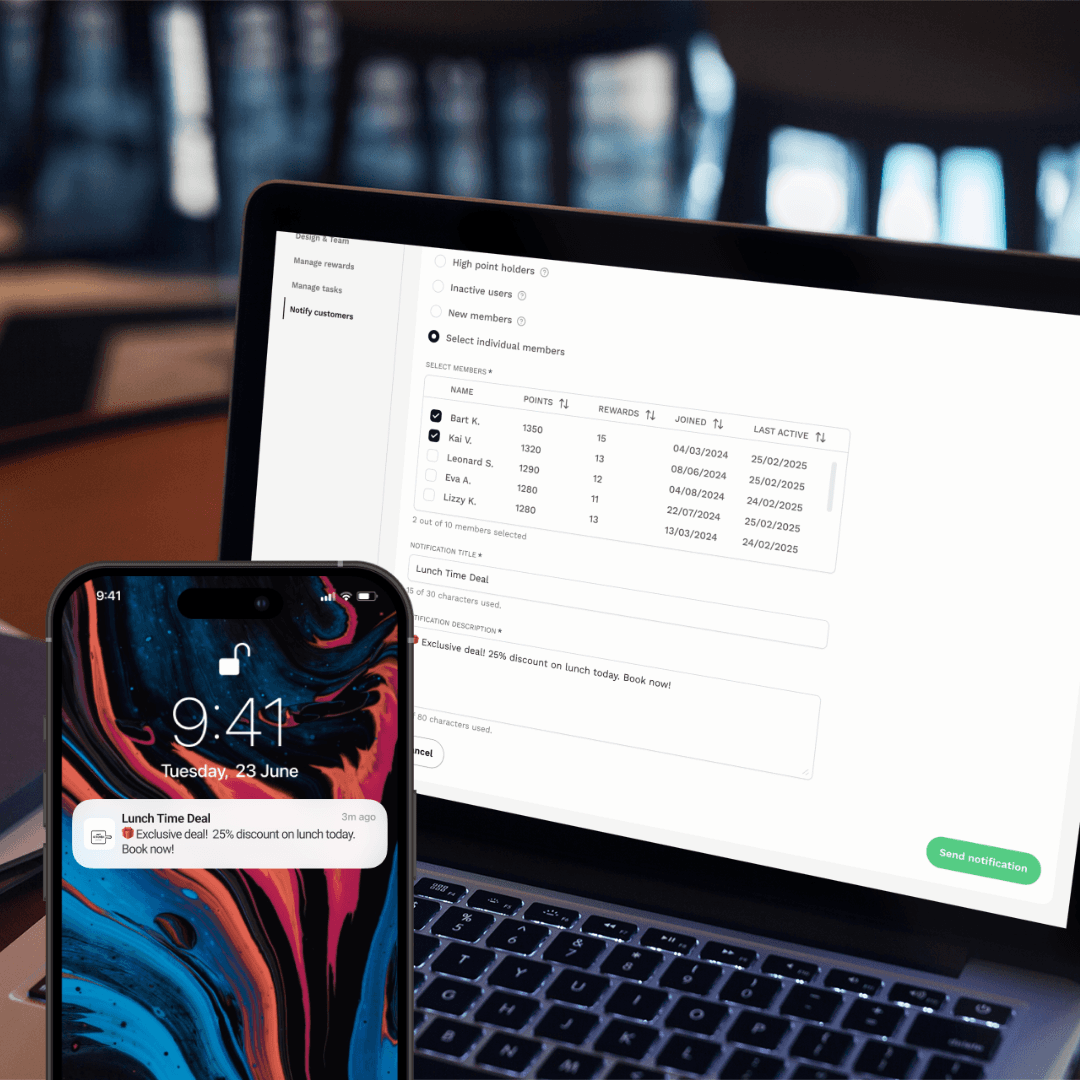
Loyalty should not rely on staff remembering to follow up manually. In appointment-led businesses, automation is one of the most important levers because it keeps the program active during the gap between visits.
Automation can be used to:
award points after completed bookings
trigger messages based on appointment history
reactivate lapsed customers automatically
celebrate birthdays or anniversaries
promote off-peak availability or seasonal services
encourage referrals after positive visit moments
When loyalty is connected to booking systems, purchases, or check-ins, the experience becomes more reliable for both the business and the client. That matters because friction kills adoption. If customers have to ask whether points were added, or staff need manual workarounds, the program quickly loses momentum.
This is where platforms such as Authic are relevant for appointment-based businesses. Authic is built to plug into existing tools and automate loyalty across bookings, purchases, and check-ins, while supporting branded rewards, notifications, analytics, tiers, referral programs, and VIP groups.
App-based vs low-friction digital loyalty access
One practical decision is how clients access the program. Many businesses assume they need a full custom loyalty app, but adoption depends on the audience, the brand, and the level of friction clients are willing to accept.
There is no single correct format. What matters is making the program easy to join, easy to access, and easy to use during normal customer behavior. In appointment-based settings, every extra step reduces participation.
Common access models include:
branded loyalty apps
mobile wallet experiences
SMS-linked loyalty access
web-based loyalty journeys
For some brands, a white-label app is the right move because it supports a full branded customer journey, campaigns, push notifications, and deeper engagement over time. For others, lower-friction access may improve initial enrollment. The best choice depends on how central loyalty is to your wider retention strategy.
Authic specifically supports a white-label loyalty app under your own brand, alongside integrations and automation that help loyalty run through the systems you already use.
Operational simplicity matters more than most businesses expect
A loyalty program only works when front-desk teams, therapists, stylists, coordinators, or reception staff can explain it quickly and trust that it works correctly. Complex logic may look impressive on paper, but if staff struggle to introduce it at checkout, sign-up rates will suffer.
A good program should make these moments easy:
introducing the program after an appointment
showing how a customer earns rewards
checking progress without confusion
rewarding bookings and purchases consistently
supporting multiple services without messy manual tracking
This is especially important for multi-service businesses where one customer may book treatments, purchase products, and return on different schedules. Loyalty should simplify the experience, not create another admin layer.
Using loyalty to support retail, add-ons, and upsells
Many appointment-based businesses focus only on repeat visits, but loyalty can also improve average order value. The smartest programs connect service retention with product and upgrade behavior.
Examples include rewarding:
post-treatment skincare purchases
home-care recommendations
premium service upgrades
add-on services booked at checkout
bundle completion across service and product categories
This works best when the reward supports the service journey rather than distracting from it. Instead of training clients to wait for discounts, you are guiding them toward better outcomes and higher engagement.
Tiered and VIP loyalty for higher-value clients
For brands with clear differences in customer value, tiered loyalty can be a strong growth tool. A client who visits frequently, buys products, completes packages, and refers others should not feel identical to a one-time customer.
VIP progression helps you recognize that difference. It also gives your best clients a reason to stay loyal instead of shopping around each time they need a new appointment.
Tier benefits can include:
earlier access to bookings
exclusive events or campaigns
higher point multipliers
premium birthday rewards
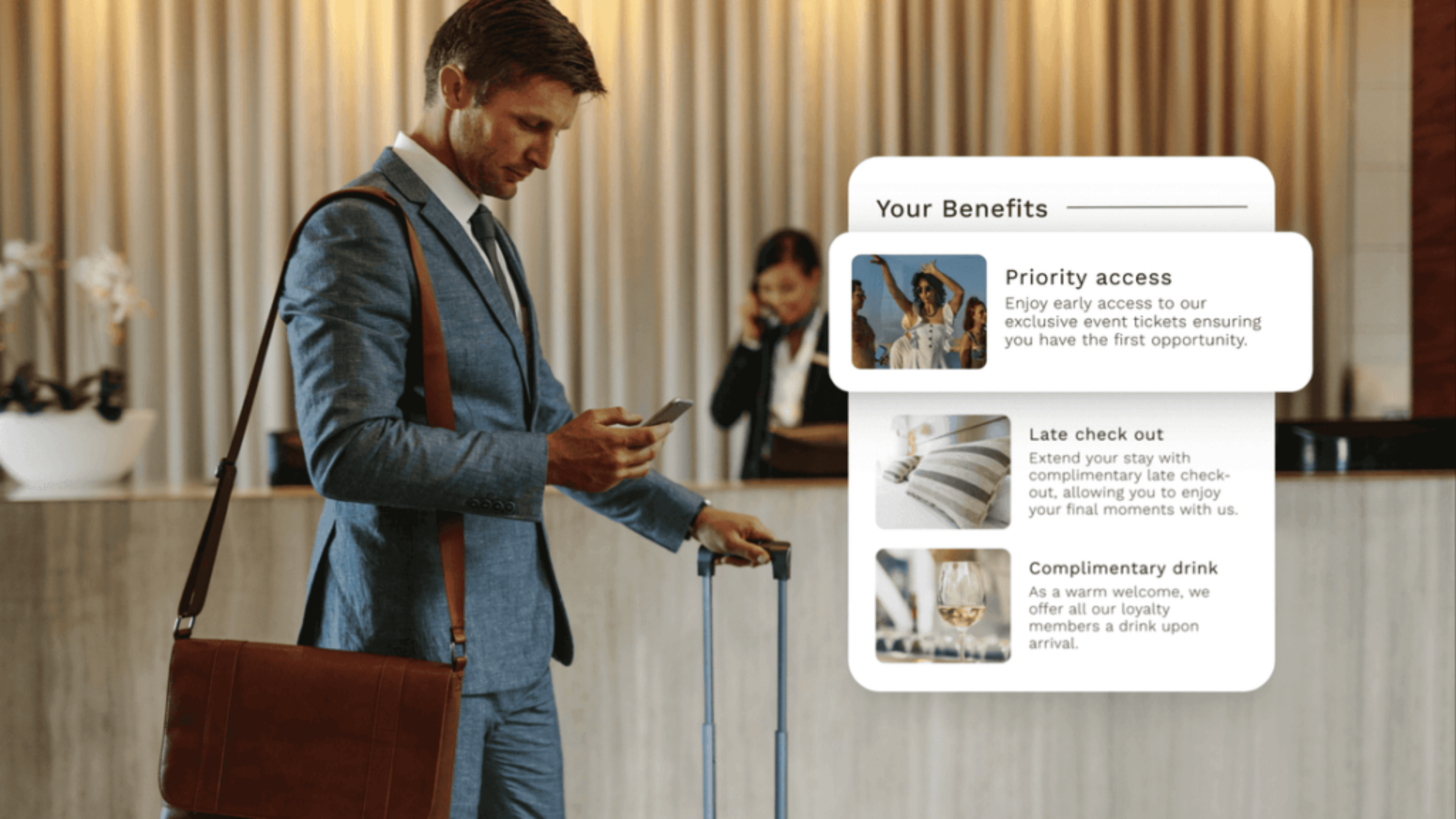
priority support or concierge-style booking
access to selected partner rewards
Because Authic supports tiers, VIP groups, partner rewards, and branded campaigns, this type of structure can be built into a broader loyalty ecosystem rather than treated as a separate manual program.
How data, segmentation, and analytics improve loyalty performance
Once the program is live, the next step is optimization. The strongest appointment-based loyalty programs are not static. They improve based on customer behavior.
Useful metrics often include:
repeat booking rate
rebooking at checkout
time between visits
package completion rate
retail attachment rate
referral activity
reward redemption by segment
reactivation rate after lapse campaigns
Segmentation matters as well. New clients, loyal regulars, package buyers, inactive customers, and VIP members often need different offers and communication. A single reward journey for everyone usually leaves revenue on the table.
Authic includes loyalty analytics and rewards management, which is particularly useful for businesses that want to track performance beyond basic stamp-card logic and calculate loyalty program ROI.
What to look for in a loyalty platform for appointment-based businesses
If you are evaluating software, focus on whether the platform supports the actual operating model of salons, spas, and clinics. Generic rewards tools often miss the details that matter most in appointment-driven retention.
Look for capabilities such as:
booking-based reward triggers
support for purchases and check-ins
points, tiers, stamp cards, and referral programs
notifications and campaign tools
analytics for customer behavior and reward performance
white-label branding options
integration with existing booking or POS systems
API support for more custom loyalty workflows
Authic aligns well with this model because it is built as a white-label loyalty platform that can connect with your existing stack and automate loyalty around appointments, purchases, and check-ins instead of forcing you into a disconnected process.
Examples of appointment-based loyalty strategies by business type
Salon
A salon may use visit-based rewards for repeat appointments, bonus points for retail haircare, and a rebooking reward when the next service is booked before checkout. VIP tiers can be added later for top clients who visit frequently or spend across multiple categories.
Spa
A spa may build a points-based model around facials, massage, body treatments, and add-ons. The program can reward recurring self-care behavior, package completion, birthday visits, and seasonal reactivation campaigns during slower periods.
Clinic
A clinic can use appointment-based loyalty to support treatment cadence, package completion, maintenance planning, and home-care purchases. The loyalty logic should focus on consistency, retention, and lifecycle timing rather than broad discounting.
FAQ about appointment-based loyalty programs
What is an appointment-based loyalty program?
An appointment-based loyalty program rewards customers for behaviors linked to bookings and service journeys rather than only one-time purchases. It is designed for businesses such as salons, spas, and clinics where repeat visits, rebooking, and treatment continuity matter more than daily transaction volume.
How is appointment-based loyalty different from retail loyalty?
Retail loyalty often assumes frequent visits and fast reward cycles. Appointment-based loyalty must work across longer gaps between visits and should reward actions such as completed appointments, package progress, rebooking, and return timing.
Which loyalty model works best for salons and spas?
That depends on your service mix and average order value. Visit-based programs are often best for simpler repeat-service businesses, while points-based structures suit brands with more varied services, products, and upsell opportunities. Tiered and membership-led models work well for premium or recurring-care businesses.
Should loyalty reward bookings, spend, or visits?
Usually a mix works best. Completed appointments are often the most important base trigger, but adding rewards for purchases, check-ins, referrals, or package milestones can increase program value and customer engagement.
Can loyalty help reduce client drop-off between appointments?
Yes. This is one of the main reasons to use it. Automated reminders, reactivation campaigns, achievable reward milestones, and rebooking incentives help keep your brand visible during the gap between visits.
Do medspas and clinics need a different loyalty strategy?
They often need more emphasis on treatment cadence, package completion, maintenance, and customer lifecycle timing. The core principles are similar, but the reward structure usually needs to reflect longer-term care journeys rather than simple visit counting.
Can a loyalty program support retail and add-on sales?
Yes. Loyalty can reward home-care purchases, treatment-supporting products, premium upgrades, and add-ons. When done well, this increases basket value without over-relying on discounts.
Why does integration with booking systems matter?
Integration reduces manual work and improves accuracy. When loyalty automatically tracks appointments, purchases, and check-ins, staff do not need workarounds and clients get a more consistent experience. That is why booking and POS integration is so important.
Is a white-label loyalty app necessary?
Not always, but for many brands it can be valuable. A white-label app supports a stronger branded experience, deeper engagement, and more control over customer communication. Whether it is the right choice depends on your customer journey and retention strategy.
How does Authic support appointment-based loyalty programs?
Authic offers a white-label loyalty platform for sports and wellness businesses that can connect with existing booking systems and automate rewards for bookings, purchases, and check-ins. It also supports points, tiers, stamp cards, referral programs, campaigns, notifications, loyalty analytics, rewards management, partner rewards, and API-led customization.
Build loyalty around the way your business actually books
The best appointment based loyalty programs for salons, spas, and clinics do not copy retail. They are built around repeat booking behavior, treatment cadence, package completion, and the quiet period between visits where retention is often won or lost.
If you want loyalty to feel branded, automated, and connected to the tools you already use, Authic offers a structure that fits how appointment-led businesses operate. By linking loyalty to bookings, purchases, check-ins, and customer engagement, you can design a loyalty program for your salon or spa, apply proven salon loyalty program ideas, and increase loyalty program participation.

Founder & CEO
Founder & CEO of Authic. Wouter helps businesses build lasting customer relationships through branded loyalty apps that drive engagement, repeat visits, and growth.

Continue reading


We provide the technology and simplicity to turn customers into loyal fans, without the complexity or cost of building it yourself.