Fast, no code setup
Increase sales on autopilot

In beauty and wellness, loyalty data is not just about tracking points. It helps you understand who returns, what they book, what they buy, which rewards they value, and when they are most likely to come back. For salons, spas, clinics, and barbershops, that insight turns a loyalty program into a practical retention engine.
The real value comes from collecting the right customer data without adding friction. If your program captures profile data, visit behavior, purchase or booking history, reward activity, and stated preferences, you can create more relevant offers, better timing, and a smoother member experience. That is especially important in a category where repeat visits, trust, and personalized service shape lifetime value.
This guide explains what data loyalty programs collect, which data matters most for beauty and wellness businesses, how zero-party and first-party data fit in, and how to use those insights responsibly to improve retention, revenue, and customer experience.
Why loyalty data matters in beauty and wellness
Beauty and wellness businesses depend heavily on repeat behavior. A client who returns every few weeks for treatments, touch-ups, or product refills is far more valuable than a one-time visitor. That makes customer retention one of the most important outcomes of any loyalty strategy.
Data collection gives you visibility into that retention. Instead of guessing why some clients rebook and others disappear, you can measure recency, frequency, average spend, preferred services, redemption behavior, and campaign response. This makes it easier to identify your strongest segments, win back inactive clients, and reward profitable behavior.
It also improves personalization. In beauty and wellness, clients often expect recommendations that match their goals, habits, and preferences. If someone prefers skincare treatments, books mostly on weekdays, responds well to wallet notifications, and redeems product-based rewards more often than discounts, your loyalty program should reflect that. Relevant communication feels helpful. Generic messaging gets ignored.
For multi-location brands, loyalty data also creates consistency across branches. You can connect visits, purchases, and rewards across locations, giving clients a more seamless experience while giving your team a clearer view of customer value.
What data do loyalty programs collect?
The best answer is: only the data that supports a better customer experience, stronger retention, and measurable business decisions. In beauty and wellness, loyalty program data collection usually combines identity, transactional, behavioral, and preference data.
Customer profile and identity data
This is the foundation of your loyalty member record. It helps you identify the customer and connect actions across touchpoints.
Name
Email address
Phone number
Date of birth or birthday month
Location or preferred branch
Member ID or app account details
Communication preferences
For beauty and wellness businesses, profile data is especially useful when linked to bookings, in-store activity, and wallet-based identification at the front desk.
Purchase and booking history
This is one of the most valuable forms of first-party data in a loyalty program. It shows what a member actually does, not just what they say they want.
Services booked
Treatments purchased
Products bought
Booking dates and intervals
Spend per visit
Total member revenue
Online versus in-location purchases
With this data, you can spot repeat patterns, identify cross-sell opportunities, and understand which treatments lead to the highest repeat visit rate.
Visit frequency and recency data
Frequency tells you how often someone returns. Recency tells you how long it has been since the last visit or order. Together, these metrics are central to loyalty analytics.
For example, if a regular facial client usually returns every six weeks and suddenly reaches week nine, that gap can trigger a re-engagement campaign. If a high-value member visits twice a month but has not redeemed rewards in three months, that can signal low program engagement rather than low brand loyalty. These nuances matter.
Points, rewards, and redemption data
Loyalty programs also collect data on how members interact with the reward structure itself.
Points earned
Points redeemed
Reward preferences
Reward usage by type
Tier progression
Expired rewards or unused balances
Redemption timing
This tells you whether your reward design is motivating the right behavior. If members collect points but rarely redeem, the program may be too complex or the reward mix may be weak. If redemptions spike around specific services or product categories, that reveals where loyalty adds the most value.
Engagement and campaign interaction data
Modern loyalty programs do more than record transactions. They also track how members engage with your communications and campaigns.
Push notification opens
Email clicks
Offer activations
Challenge participation
Referral activity
Survey completion
Profile completion status
This data helps you measure which campaigns actually drive bookings, visits, or purchases instead of just impressions.
Zero-party data in beauty and wellness loyalty programs
Zero-party data is information a customer intentionally and proactively shares with you. In loyalty program data collection, this is especially valuable because it gives context that transactional data alone cannot provide.
In beauty and wellness, zero-party data may include preferred treatments, skincare goals, hair concerns, communication preferences, favorite products, appointment timing preferences, or reward preferences. Because the customer shares it directly, it is often more useful for personalization than inferred assumptions.
You can collect this data through:
Onboarding questions in the loyalty app
Profile completion flows
Quizzes and questionnaires
Polls and preference centers
Feedback requests after appointments
Challenges that unlock rewards after sharing preferences
The key is relevance. If you ask for data, there should be a clear benefit to the member. Asking for skin concerns should improve recommendations. Asking for communication preferences should reduce unwanted messages. Asking for birthday details should lead to a meaningful birthday reward. This value exchange builds trust and improves completion rates.
First-party data vs zero-party data
Both types of data are useful, but they serve different roles in a beauty loyalty program.
Data type | What it is | Beauty & wellness examples | Main value
|
|---|---|---|---|
First-party data | Observed behavior collected through direct interactions | Bookings, purchases, visit frequency, points earned, reward redemptions | Shows what customers actually do |
Zero-party data | Information customers intentionally share | Treatment preferences, beauty goals, birthday, communication choices, reward preferences | Shows what customers want and prefer |
The strongest loyalty programs use both. Behavioral data shows patterns. Stated data explains them. Together, they support better segmentation, better campaign timing, and more relevant rewards. For a closer look at receipt scanning and zero-party data, see this related guide.
What beauty and wellness brands should collect first
Not every business needs a highly complex data model from day one. The best approach is to start with the data that directly improves retention, bookings, and spend. For most salons, spas, clinics, and barbershops, that means prioritizing the following categories first.
Essential data points for launch
Customer identity and contact details
Booking or purchase history
Visit frequency and recency
Points earned and redeemed
Preferred location
Birthday or birthday month
Communication preferences
High-value data points for personalization
Preferred services or treatments
Preferred reward type
Favorite product categories
Feedback after a visit
Response to campaigns and notifications
Referral behavior
This phased approach reduces friction. You do not need to ask every question at signup. Progressive profiling works better. Let the member join quickly, then collect more context over time through natural touchpoints.
How loyalty data improves retention and repeat visits
The main reason brands invest in loyalty program data collection is simple: it helps them bring customers back more often. In beauty and wellness, retention often depends on timing, relevance, and consistency. Data supports all three.
Spotting drop-off before churn happens
Recency data can tell you when a regular customer is drifting. A client who normally books every four weeks but has not visited in seven is not just inactive. They may be at risk of churn. Loyalty data lets you trigger a timely nudge before they fully disengage.
Matching rewards to behavior
Not every member responds to the same incentive. Some prefer money-off offers. Others respond better to free add-ons, exclusive access, birthday gifts, or VIP treatment perks. Reward usage data helps you learn what drives action for each segment.
Improving cross-sell and upsell relevance
If a client consistently books a service but never buys aftercare products, that creates a clear opportunity for a relevant post-visit offer. If product purchases are strongly linked to repeat treatments, you can build campaigns that connect the two. Good loyalty analytics turns service and retail behavior into one connected picture.
Making communication more useful
Members are more likely to engage when messages are based on actual habits and preferences. A reminder tied to typical booking cadence is more effective than a generic blast. A reward recommendation tied to past redemptions is more relevant than a one-size-fits-all campaign.
How to collect loyalty data without adding friction
Better data does not come from longer forms. It comes from smarter moments. In beauty and wellness, customer experience matters, so every data collection step should feel light, relevant, and easy to complete.
Use onboarding for only the essentials
At signup, collect only what you need to activate the member account and start delivering value. Too many questions too early reduce conversion. A fast join flow is usually better than a perfect profile at the start.
Use profile completion as an ongoing journey
Once members are active, invite them to add more information over time. This can happen through in-app prompts, wallet-linked reminders, targeted campaigns, or loyalty challenges.
Collect data in exchange for clear value
If you ask for a preference, explain what the member gets in return. For example:
Share your preferred treatments to receive more relevant offers
Add your birthday to unlock a birthday reward
Complete your profile to earn points
Answer a short quiz to receive tailored recommendations
Connect data collection to natural customer moments
The best moments to gather information are often already part of the journey:
During onboarding
After a booking or purchase
At reward redemption
After an appointment feedback request
When introducing a new service line or membership tier
Data collection methods that work well for salons, spas, clinics, and barbershops
Different business models in beauty and wellness need different inputs. A medspa may want treatment interest and booking cadence. A salon may care more about stylist visits, product attachment, and rebooking intervals. A barbershop may prioritize visit frequency and membership usage. Still, a few collection methods consistently work across the category.
App onboarding questions
A branded loyalty app is one of the strongest environments for structured data collection because it combines identity, engagement, rewards, and behavior in one place. You can ask simple questions about preferences, goals, favorites, and communication settings without interrupting the in-store experience.
Quizzes and preference flows
Short quizzes can help gather zero-party data while also improving relevance. Examples include service preference quizzes, treatment goals, skin or hair concern selectors, and reward preference surveys.
Surveys and post-visit feedback
Feedback is often underused as a loyalty data source. After a visit, a quick survey can collect satisfaction, service interest, product interest, and future intent. This supports both service improvement and segmentation.
Challenges and gamified actions
Challenges can increase engagement while collecting useful data. Examples include completing a profile, setting favorites, joining a membership waitlist, or responding to a wellness check-in. These actions are more effective when members receive points or small perks in return.
What should a loyalty program include to support better data collection?
A strong beauty and wellness loyalty program should not only reward customers. It should also make data collection structured, useful, and measurable. That means the program needs a few core building blocks.
Member profiles that store identity, preferences, and behavior
Points and rewards tracking
Tiers or VIP structures where relevant
Booking and purchase history integration
Campaign participation tracking
Referral and advocacy tracking
Wallet passes or app-based identification
Analytics dashboards for retention and redemption performance
Consent-aware data handling and communication controls
For many beauty and wellness operators, the biggest difference comes from connecting loyalty to existing booking systems and customer touchpoints. When bookings, purchases, notifications, and redemptions feed into one loyalty layer, your data becomes far more actionable. This is especially true when supported by salon POS and booking system integrations.
How to use loyalty analytics in beauty and wellness
Collecting data only matters if you can turn it into decisions. Loyalty analytics helps you move from raw customer activity to practical actions that improve retention and revenue.
Key questions loyalty analytics should answer
Which customers come back most often?
Which treatments trigger repeat visits?
Which rewards are most often redeemed?
Which campaigns generate bookings or purchases?
Which locations perform best on retention?
Which customers are at risk of not returning?
How do product sales relate to service revenue?
Most useful metrics to track
Metric | Why it matters
|
|---|---|
Repeat visit rate | Shows how well the program supports retention |
Visit frequency | Measures how often members return |
Recency | Helps identify members at risk of churn |
Average spend per visit | Shows loyalty impact on revenue quality |
Reward redemption rate | Measures whether rewards are compelling and usable |
Tier progression | Shows movement into higher-value member segments |
Campaign participation rate | Reveals engagement with promotions and challenges |
Referral activity | Measures advocacy and word-of-mouth value |
Customer lifetime value | Connects loyalty behavior to long-term business value |
Privacy, consent, and responsible data collection
Beauty and wellness brands operate in trust-based relationships. That means data collection should always feel transparent and proportionate. Members are more willing to share information when they understand why it is being collected and how it improves their experience.
A few principles matter most:
Collect only the data you can actually use
Explain the value of sharing information
Use clear consent for marketing and preference collection
Make communication preferences easy to manage
Store and handle data in line with GDPR and applicable privacy rules
Keep internal access limited to what teams need
Responsible data handling is not just a compliance issue. It directly affects participation, profile completion, and long-term loyalty.
A practical example of loyalty data collection in beauty and wellness
Imagine a four-location beauty business launches a white-label loyalty app. At signup, the program collects basic identity data, birthday month, preferred branch, and communication preferences. Over time, it also captures booking history, visit frequency, points earned, reward redemptions, campaign participation, and treatment preferences shared through profile questions and surveys.
With that setup, the business can answer practical questions quickly. Which clients are repeating most often? Which treatments lead to stronger retention? Which rewards drive return visits instead of one-time redemptions? How engaged are clients between appointments? Once those answers are visible, the brand can send smarter reminders, build better reward mixes, and improve loyalty performance at both single-location and multi-location level.
This is where a connected loyalty setup becomes valuable. Instead of treating bookings, purchases, and member engagement as separate systems, they work together as one customer view.
How beauty and wellness brands can improve their loyalty data strategy
If your current program mainly tracks points, there is usually a lot of untapped value. A stronger loyalty data strategy often comes from a few practical upgrades.
Add zero-party data collection through profile questions or quizzes
Track redemption behavior by reward type, not just total redemptions
Measure recency and frequency at member level
Connect loyalty data with bookings and purchases
Use progressive profiling instead of long signup forms
Build segments based on behavior and preferences
Review which campaigns lead to repeat visits, not just clicks
Even small improvements in data quality can lead to better segmentation, better personalization, and stronger customer lifetime value. Brands looking to take more ownership over your data and your customers can explore that topic further.
FAQ about loyalty program data collection in beauty and wellness
What data do loyalty programs collect?
Loyalty programs usually collect customer profile data, purchase or booking history, visit frequency, points earned and redeemed, reward usage, campaign participation, referral activity, and communication engagement. In beauty and wellness, they may also collect preferences such as favorite treatments, reward preferences, birthday details, and preferred location.
What are the 4 C's of customer loyalty?
The 4 C's are described in different ways depending on the framework, but in practice for beauty and wellness they often map to consistency, convenience, connection, and communication. Loyalty data supports all four by helping you deliver a more relevant, timely, and personalized member experience.
What are the three R's of loyalty programs?
A useful way to think about the three R's is rewards, recognition, and relevance. Members want benefits they can use, they want to feel recognized as returning customers, and they want communication and offers that match their actual preferences and behavior.
What should a loyalty program include?
A strong program should include member profiles, points or rewards, redemption tracking, campaign measurement, customer preference collection, and analytics for retention and repeat purchase behavior. For beauty and wellness brands, it also helps to connect loyalty with booking systems, in-store redemption, wallet passes, and branded app experiences, often through loyalty management software for beauty and wellness.
What is the difference between first-party and zero-party data?
First-party data comes from observed behavior such as bookings, purchases, visits, and redemptions. Zero-party data is shared directly by the customer, such as treatment preferences, communication choices, and reward interests. The best loyalty programs use both to improve personalization.
How can salons and spas collect customer data without hurting conversion?
Keep signup simple, ask only for essentials at first, and collect more information gradually through profile completion, surveys, quizzes, and post-visit feedback. The most effective approach is to give customers a clear reason to share each piece of information.
Which loyalty metrics matter most for beauty and wellness businesses?
The most useful metrics are repeat visit rate, visit frequency, recency, average spend per visit, reward redemption rate, campaign participation, referral activity, and customer lifetime value. Together, these show whether the loyalty program is improving retention and revenue.
Why is loyalty program data collection important for multi-location beauty brands?
It creates a more complete customer view across branches. That helps you track member value consistently, understand location-level performance, and give customers a smoother experience when they book, buy, or redeem rewards across multiple locations.

Founder & CEO
Founder & CEO of Authic. Wouter helps businesses build lasting customer relationships through branded loyalty apps that drive engagement, repeat visits, and growth.

Continue reading

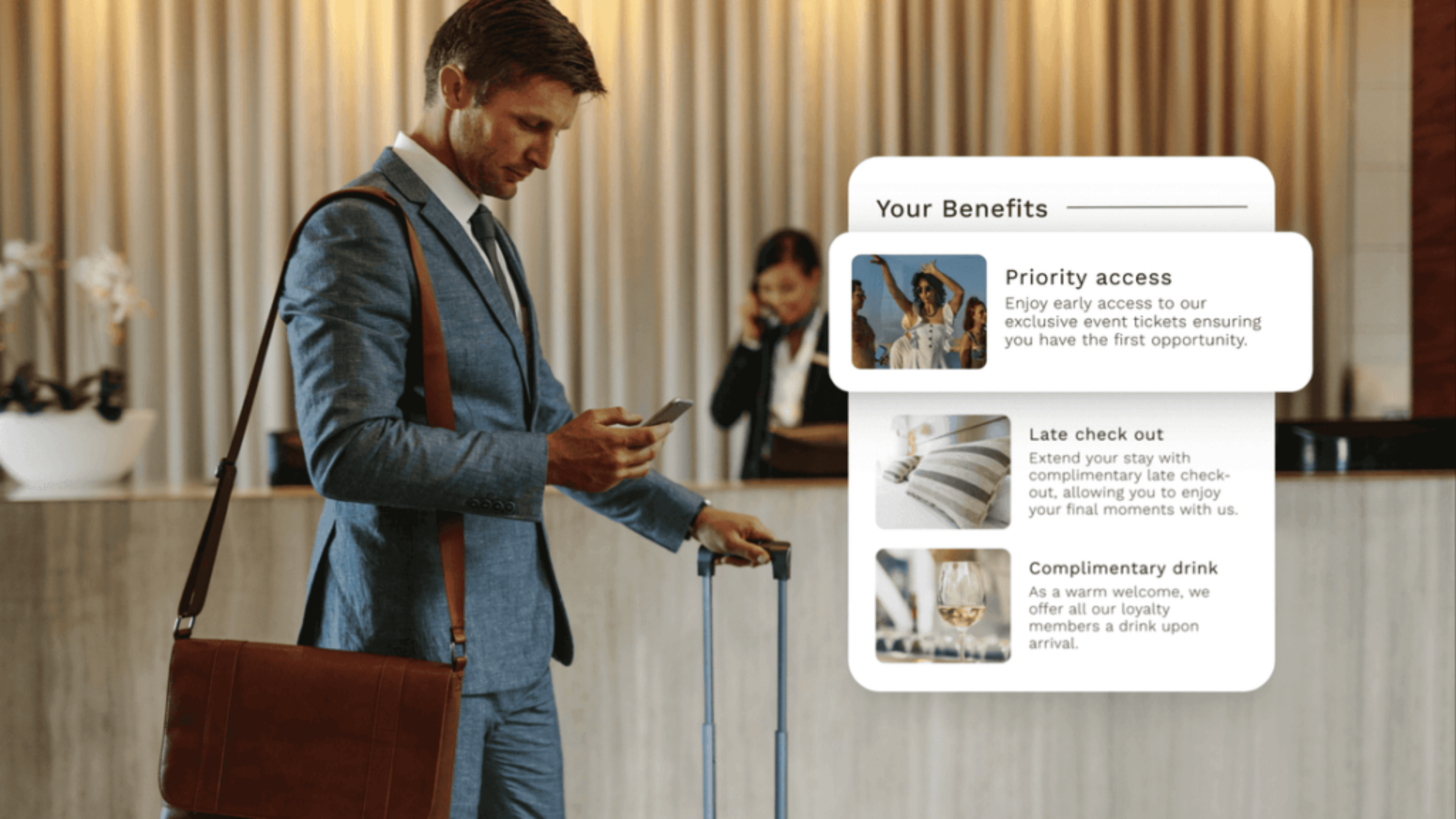

We provide the technology and simplicity to turn customers into loyal fans, without the complexity or cost of building it yourself.