Fast, no code setup
Increase sales on autopilot

If customers earn points but rarely redeem them, your beauty loyalty program is losing momentum where it matters most. Redemption is the moment loyalty turns into action: a client claims a reward, books again, adds a product, or comes back sooner than planned. For beauty brands, salons, clinics, spas, and barbershops, that matters because repeat behavior is the engine behind retention, higher customer lifetime value, and stronger brand affinity.
Improving redemption rates in beauty loyalty programs is not about giving away more discounts. It is about making rewards feel relevant, achievable, visible, and easy to use. The strongest programs combine low-friction redemption, beauty-specific rewards, timely reminders, clear progress, and smart reward design that fits how clients actually buy, book, and return.
This guide breaks down how to calculate redemption rate, what a good benchmark looks like, why beauty programs often underperform, and the practical changes that can lift redemptions without hurting margin.
What redemption rate means in a beauty loyalty program
Redemption rate is the percentage of earned rewards, points, or benefits that customers actually use. In simple terms, it tells you whether your loyalty program creates value that people want to claim, not just value that sits untouched in an account.
In beauty, redemption rate is especially important because customer behavior is often routine-driven. A client may rebook a treatment every 4 to 8 weeks, replenish skincare monthly, or buy cosmetics around launches, promotions, and seasonal moments. If your rewards do not fit those habits, points accumulate but behavior does not change.
A healthy redemption rate usually signals that your program is easy to understand, your rewards are attractive, and your timing is right. A low rate often points to one or more of these problems:
Rewards are not relevant to the client
Thresholds are too high
Redemption takes too many steps
Clients do not know what they can redeem
Rewards arrive too late in the customer journey
That is why brands that want to enhance loyalty programs should monitor redemption as a core performance metric, not just sign-ups or points issued.
Why improving redemption rates matters for beauty brands
Beauty loyalty is not just about enrollment. A program only works when members move from passive participation to active use. Redemption is one of the clearest signs that this is happening.
When you improve redemption rates in beauty loyalty programs, you typically influence several outcomes at once:
Higher repeat purchase rate - redeemed rewards create a reason to buy or book again
Better retention - clients who use rewards are more likely to stay engaged
Higher average order value - many rewards can be structured around minimum spend or add-on behavior
Stronger emotional loyalty - relevant rewards feel personal and increase brand attachment
More first-party data - active members reveal more preferences through behavior
Beauty is also a category with high competition and high switching risk. Even happy customers are exposed to new launches, influencer recommendations, subscription offers, and retail promotions. If your loyalty program is hard to redeem, another brand with simpler rewards can easily win the next purchase.
That is why beauty loyalty programs perform best when they reduce friction between earning and using rewards. The path from points to payoff should feel quick, visible, and worth it.
How to calculate redemption rate
The standard formula is simple:
Redemption rate = (Number of rewards redeemed / Total rewards earned) x 100
You can apply this formula to points, vouchers, free treatment rewards, product gifts, or any other reward type, as long as you measure consistently.
Example 1: points-based beauty loyalty program
If members earned 50,000 points in total and 22,500 points were redeemed, your redemption rate is 45%.
Example 2: reward voucher program for a salon
If 800 reward vouchers were issued and 320 were used, your redemption rate is 40%.
Example 3: skincare product rewards
If 300 free mini-product rewards became available and 180 were claimed, your redemption rate is 60%.
For accurate analysis, segment your numbers by reward type, customer group, and channel. A single overall rate can hide what is really happening. For example, your product sample rewards may redeem at 68%, while your discount-on-treatment rewards sit at 21%. Looking only at the total would make optimization harder.
What is the average redemption rate for loyalty programs?
If you are asking, "What is the average redemption rate for loyalty programs?", the honest answer is that it varies by industry, reward type, and redemption flow. Broad loyalty benchmarks often place average redemption around the high 40% range, but that number should be treated as directional, not absolute.
Beauty programs can outperform generic loyalty benchmarks when they align rewards with routine-based behavior. That is because beauty customers often have predictable triggers:
refills and replenishment
rebook cycles
birthday treatments or gifts
new product launches
shade or regimen discovery
seasonal skin and hair concerns
Still, there is no universal "good" redemption rate. A better way to evaluate performance is to compare your program against factors such as:
your reward mix
your average purchase frequency
your price point
how quickly customers can reach a first reward
whether redemption happens online, in-store, or both
A premium clinic with longer booking cycles will often have a different redemption profile than a fast-moving cosmetics brand. What matters most is whether redemption is rising over time and whether redeemed members generate stronger retention and spend than non-redeemers.
Why redemption rates are often low in beauty loyalty programs
Low redemption rates usually come from design issues, not from lack of customer interest. Beauty customers like rewards, but they ignore programs that feel slow, unclear, or generic.
Rewards are too hard to reach
If a customer needs too many visits, too much spend, or too much patience before unlocking something valuable, motivation drops. In beauty, this is common when thresholds are copied from retail models without considering actual booking frequency or basket size.
Rewards are not beauty-specific
Generic discounts are easy to launch, but they are not always the most compelling option. Beauty customers often respond better to rewards tied to product discovery, exclusivity, convenience, or treatment experiences.
Redemption is hidden or confusing
If members cannot quickly see their points, available rewards, expiry dates, or next milestone, they are less likely to act. This is one of the biggest reasons programs underperform.
Timing does not match customer behavior
A reward offered too early may not feel useful yet. Offered too late, it may miss the rebooking or repurchase moment. Beauty loyalty needs timing tied to actual routines.
Too many steps at checkout or booking
Every extra click, code entry, login, or manual redemption step reduces conversion. Friction hurts redemption rate fast, especially on mobile.
Members are not reminded before expiry
Unredeemed rewards often expire simply because clients forget. Automated reminders before expiry can recover redemptions that would otherwise be lost.
How can we improve our redemption rate?
If your team is asking, "How can we improve our redemption rate?", focus on these high-impact levers first. They create the biggest change without forcing a full rebuild of your loyalty program.
1. Lower the distance to the first reward
The first win matters more than most brands think. If new members can reach a redeemable reward quickly, they learn that the program is real and worth using. This creates habit formation early.
Practical ways to do this:
offer a micro-reward after the first purchase or visit
reduce the initial points threshold
reward profile completion, check-ins, or simple tasks
give welcome bonuses that bring the first reward closer
For beauty loyalty programs, a ladder of value works well. Start with smaller but meaningful rewards, then build toward higher-value perks.
2. Make rewards more relevant to beauty behavior
Redemption increases when rewards fit what customers already want. That sounds obvious, but many programs still rely too heavily on broad percentage discounts.
Beauty-specific rewards that often perform better include:
free product samples
travel-size bestsellers
add-on treatments
birthday gifts
exclusive launches or early access
bundled treatment and product rewards
limited-time rewards for underbooked services
VIP-only experiences
These rewards feel more brand-aligned and less discount-driven, which helps both redemption and perceived value.
3. Simplify the redemption flow
The easier it is to redeem, the higher the usage rate tends to be. This applies online, in-app, and in-store. Customers should not have to search for rules or ask staff how rewards work.
Your redemption flow should make these points obvious:
how many points a member has
what rewards are currently available
what each reward is worth
when rewards expire
how to use them in as few steps as possible
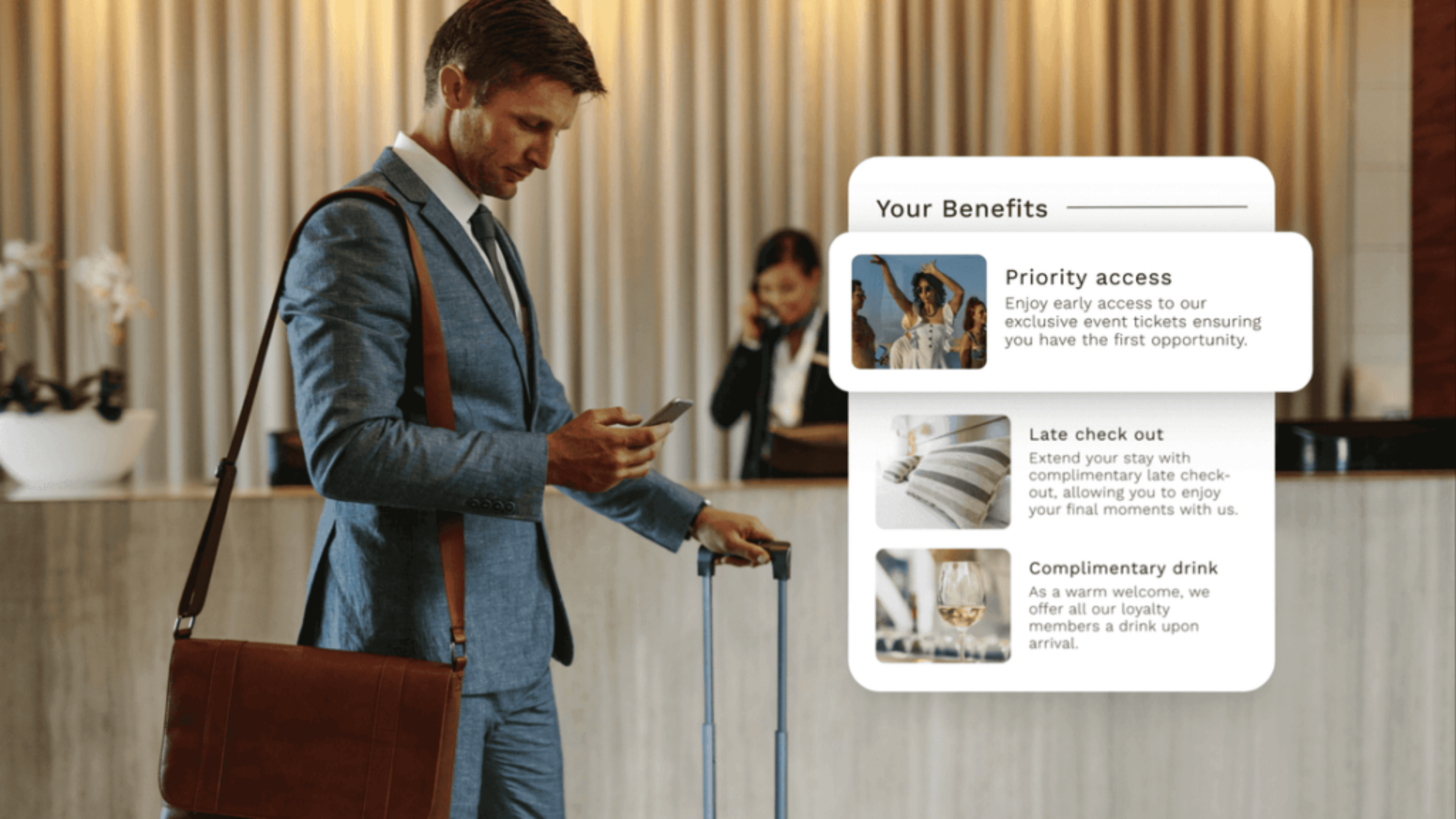
For brands using a white-label loyalty app or integrated system, visible balance tracking, in-app rewards, and seamless checkout or booking redemption can significantly reduce friction.
4. Use expiry reminders and trigger-based notifications
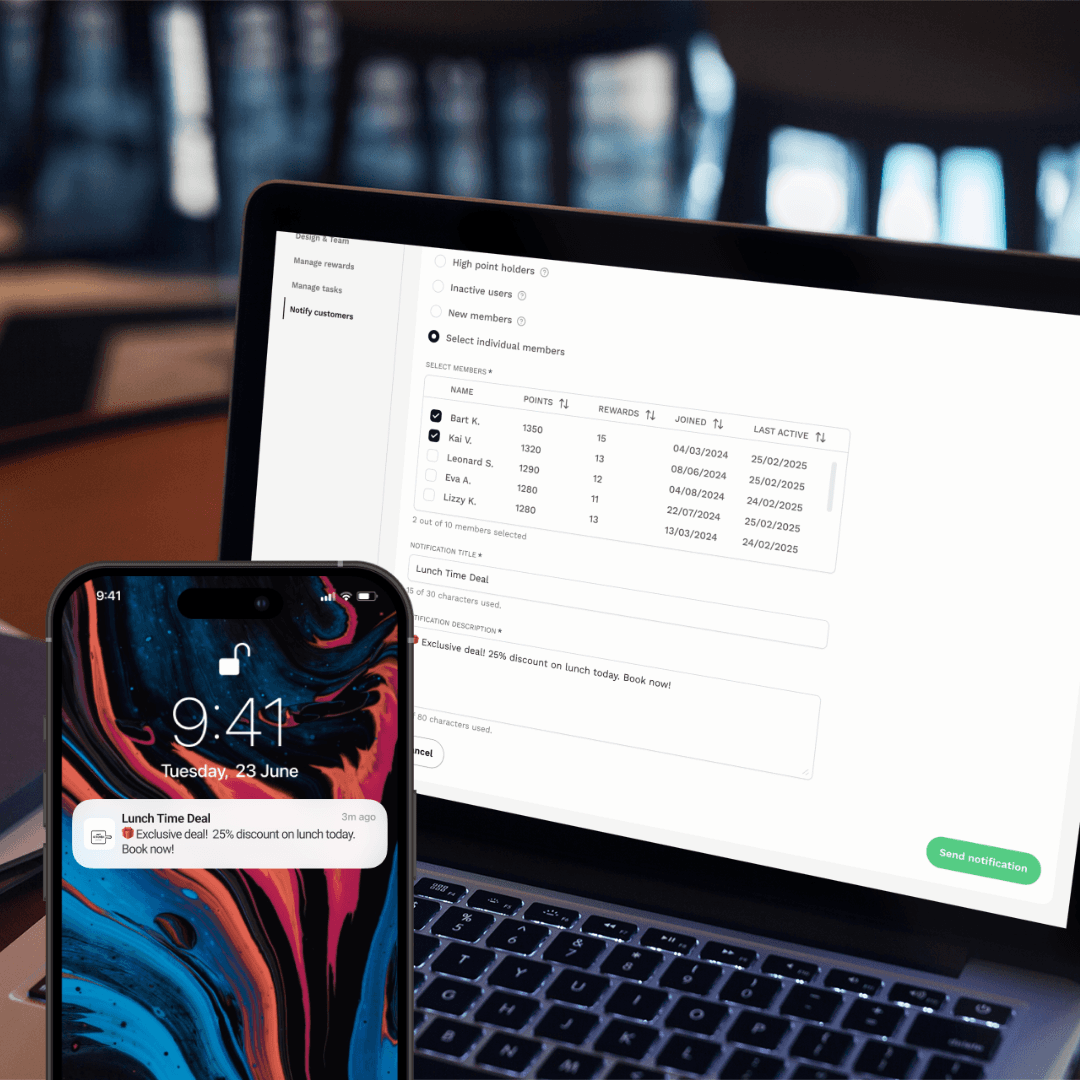
One of the fastest ways to improve redemption rates is to send timely reminders before points or rewards expire. Many unused rewards are not rejected, they are simply forgotten.
Helpful notification moments include:
7 to 14 days before expiry
when a member is close to unlocking a reward
after a treatment or purchase, when an add-on reward becomes relevant
during underbooked time slots or slower periods
around birthdays, anniversaries, or seasonal concerns
Automated notifications work even better when tied to customer history and preferences instead of batch messaging.
5. Show progress clearly
Progress visibility is one of the most underrated redemption drivers. Customers are more likely to act when they can see how close they are to a reward or a higher tier.
This can be as simple as:
"You are 20 points away from a free travel-size product"
"Book one more treatment to unlock your next VIP perk"
"Redeem before Sunday to claim your birthday reward"
Progress creates momentum, and momentum improves loyalty behavior.
6. Expand earning actions beyond purchases
If customers earn points only through spending, some beauty programs become too slow, especially for businesses with longer treatment cycles. Additional earning actions can move customers toward redemption faster.
Relevant earning actions for beauty include:
check-ins
rebookings
account creation
birthday completion
skin, hair, or preference profile completion
referrals
social engagement
selected tasks or challenges
This approach supports the broader question, "How to enhance loyalty programs?" The answer is often to reward valuable engagement, not just transactions.
7. Match rewards to customer segment and visit frequency
A single reward catalog rarely works equally well for all members. New clients, regulars, high spenders, and treatment-led customers have different motivations.
Customer segment | Likely motivation | Reward types that often redeem well
|
|---|---|---|
New members | Quick first win | Welcome bonus, small discount, sample reward |
Regular treatment clients | Convenience and value | Add-on service, rebooking perk, free upgrade |
Product-focused shoppers | Discovery and replenishment | Travel-size gift, bundle reward, store credit |
VIP members | Status and exclusivity | Early access, premium gift, members-only experience |
Lapsing customers | Reason to return | Time-limited comeback reward, treatment bundle |
The reward types that usually improve redemption fastest in beauty
Not every reward creates the same response. In beauty, the best-performing rewards often combine clear value with strong relevance to the product or service experience.
Free products and samples
These are often easier to redeem than abstract discounts because customers immediately understand what they get. Samples and travel sizes are especially effective for skincare, haircare, and cosmetics because they support discovery without requiring a full-price commitment.
Treatment add-ons
For clinics, salons, spas, and barbershops, small service enhancements can work very well. Think of express add-ons, upgrades, or bonus touchpoints that feel premium but remain operationally manageable.
Store credit or fixed-value rewards
Fixed-value rewards are often clearer than percentage discounts. Customers can instantly see what the reward is worth, which reduces hesitation at redemption. Getting valuing loyalty points in beauty right also helps customers understand whether a reward feels worth claiming.
Exclusive access
Early access to launches, appointment priority, limited drops, or VIP experiences can increase redemption among engaged members without relying only on margin-reducing discounts.
Limited-time or demand-shaping rewards
Beauty businesses can also use rewards strategically to fill quieter periods, promote new treatments, or move selected products. When well timed, these offers improve redemption and support commercial goals at the same time.
How tiers and status influence redemption
Tiered loyalty programs can improve redemption because they add status, progress, and motivation beyond the reward itself. Customers do not just want points, they want to feel they are advancing.
In beauty, tiers work best when each level has clear and tangible benefits. If the difference between tiers feels vague, the motivational effect disappears.
Effective tier benefits often include:
higher earning rates
exclusive rewards
free shipping or service perks
birthday upgrades
priority booking or early access
members-only product or treatment experiences
Progress messaging is key here. Members should always understand:
their current tier
what they gain at the next tier
how close they are to reaching it
This also connects to one of the classic loyalty principles behind the "3 R's of loyalty": reward, relevance, and recognition. Recognition is often what tiers do best. They make customers feel seen, not just discounted.
Redemption rate and other loyalty metrics you should track together
Redemption rate is important, but it should never be viewed in isolation. A beauty loyalty program can have high redemptions and still underperform if rewards are hurting profitability or not creating repeat behavior.
Repeat purchase rate
Track whether redeemers return more often than non-redeemers. This shows whether rewards are changing behavior, not just being claimed.
Average order value
Look at whether redemptions increase basket size through thresholds, add-ons, or bundled purchases.
Customer lifetime value
Members who redeem regularly often have higher long-term value, especially when rewards support replenishment and rebooking cycles.
Time to first redemption
This is one of the most useful operational metrics. If customers take too long to redeem the first time, engagement usually weakens.
Reward-level redemption performance
Measure which specific rewards are used, ignored, or only redeemed by certain segments. This lets you optimize your reward catalog with precision.
Expiry loss
Monitor how much reward value expires unused. This often reveals notification gaps or overly high thresholds.
Metric | What it tells you | Why it matters for redemption
|
|---|---|---|
Redemption rate | How often earned rewards are used | Shows reward appeal and program usability |
Time to first redemption | How quickly a member gets first value | Early wins improve long-term engagement |
Repeat purchase rate | Whether members come back | Confirms if redemption drives retention |
Average order value | Spend per order or booking | Shows if rewards support margin and upsell |
CLV | Total long-term customer value | Connects loyalty activity to business impact |
Expiry loss | Unused rewards that lapse | Highlights friction and reminder gaps |
A practical framework to improve redemption rates in beauty loyalty programs
If you want a clear action plan, use this sequence. It prioritizes the changes most likely to lift results quickly.
Audit your current reward catalog
Identify your highest- and lowest-redeemed rewards
Remove rewards that add complexity but little usage
Check whether your top rewards are discount-heavy or beauty-specific
Shorten the path to value
Reduce first-reward thresholds
Add micro-rewards
Give points for key non-purchase actions
Reduce redemption friction
Make balances and rewards visible in real time
Use a branded app, wallet pass, or integrated account area
Minimize clicks and manual steps during checkout or booking
Automate reminders
Trigger expiry notifications
Remind customers when they are close to a reward
Use behavior-based timing instead of generic send schedules
Personalize by customer type
Create different reward logic for new, repeat, VIP, and lapsing members
Use booking, POS, and ecommerce data to align offers with actual behavior
Promote relevant rewards by service history, product preference, or visit cycle
Test and refine continuously
Compare reward types against one another
Track redemption by segment and channel
Adjust thresholds, timing, and messaging based on real usage
How technology can lift redemption without adding operational complexity
The best strategy still needs the right delivery. If staff have to explain rewards manually, if customers cannot see their status, or if online and in-store systems do not connect, redemption suffers.
Beauty businesses often improve results when they use loyalty technology that supports:
real-time point and reward tracking
online and in-store redemption
automated pre-expiry notifications
custom reward limits and expirations
VIP tiers or cards
challenges and task-based earning
integration with booking, POS, ecommerce, and customer systems
white-label branded member experiences
For beauty and wellness brands, this matters because customer journeys are rarely single-channel. A client might discover a treatment on social, book through a website, buy a product in-store, and redeem a reward later in an app. If those touchpoints stay disconnected, redemption feels inconsistent.
Platforms like Authic are built around this kind of connected loyalty experience for salons, clinics, spas, and barbershops. Features such as rewards, challenges, tiers, automated notifications, and real-time redemption tracking can help brands reduce friction and make loyalty feel more visible and usable. The benefit is not just operational convenience. It is a better chance that members actually redeem.
Common mistakes that keep redemption rates low
Using only generic discounts instead of mixed reward types
Setting thresholds based on margin goals alone
Failing to promote available rewards after points are earned
Hiding rewards behind too many app, login, or checkout steps
Not segmenting members by behavior or value
Ignoring expired reward data
Running the program without testing timing and messaging
Measuring enrollments but not actual reward usage
FAQ about improving redemption rates in beauty loyalty programs
What is a good redemption rate for a beauty loyalty program?
There is no single ideal number, because beauty businesses differ in purchase cycle, reward structure, and channel mix. A useful benchmark is whether your redemption rate is trending upward and whether redeemers show stronger retention, rebooking, or spend than non-redeemers.
How can we improve our redemption rate quickly?
The fastest wins usually come from lowering first-reward thresholds, making rewards more relevant, simplifying the redemption flow, and sending automated expiry reminders. These changes tend to lift usage without requiring a full program redesign.
What reward types work best in beauty loyalty programs?
Free samples, travel-size products, treatment add-ons, fixed-value rewards, birthday gifts, early access, and VIP experiences often outperform generic percentage discounts because they feel more relevant and easier to value.
How to enhance loyalty programs without hurting margin?
Focus on rewards with high perceived value but controlled cost, such as exclusive access, small premium add-ons, samples, reward bundles, and minimum-spend offers. You can also use rewards strategically to support slower days, new treatments, or product discovery.
Why do customers earn points but not redeem them?
The most common reasons are weak reward relevance, high thresholds, poor visibility, unclear rules, and too much friction at redemption. In many cases, customers are not rejecting the program. They are simply not being guided to use it.
What are the 3 R's of loyalty?
A practical way to think about the 3 R's of loyalty is reward, relevance, and recognition. Customers need a real benefit, that benefit must fit their needs, and the program should make them feel recognized through progress, tier status, personalized offers, or member-only experiences.
Should beauty loyalty programs use tiers?
Yes, if tiers are easy to understand and offer clear value. Tiers can increase motivation, especially when members can see progress and unlock tangible perks such as higher earning rates, exclusive rewards, early access, or priority booking.
How often should we review redemption performance?
Monthly is a good baseline for most beauty businesses, with deeper quarterly reviews by reward type, customer segment, and channel. If you run frequent campaigns or seasonal offers, review high-impact rewards more often.
Build a beauty loyalty program customers actually use
To improve redemption rates in beauty loyalty programs, start with one principle: make value easier to reach and easier to use. When rewards are relevant, visible, and simple to redeem, customers act. That leads to stronger repeat behavior, better retention, and more commercial value from the program you already have.
For beauty brands, salons, spas, clinics, and barbershops, the biggest gains usually come from a mix of micro-rewards, beauty-specific incentives, progress visibility, automated reminders, and connected technology across booking, POS, and ecommerce. If your current program feels passive, redemption is often the clearest place to improve it. For a deeper look at the reward redemption rate, related metrics, and optimization ideas across loyalty programs, this supporting guide is also useful.
And once redemption rises, loyalty starts doing what it is supposed to do: turning points into repeat business.

Founder & CEO
Founder & CEO of Authic. Wouter helps businesses build lasting customer relationships through branded loyalty apps that drive engagement, repeat visits, and growth.

Continue reading


We provide the technology and simplicity to turn customers into loyal fans, without the complexity or cost of building it yourself.