Fast, no code setup
Increase sales on autopilot

Empty courts during weekday mornings, early afternoons, and late evenings are one of the biggest profit leaks in padel. Fixed costs keep running whether a court is booked or not, so improving off-peak utilization is not just an operations task - it is a direct revenue opportunity. The strongest padel clubs do not rely on blanket discounts alone. They combine data, player behavior, community formats, frictionless booking, and targeted incentives to turn quiet hours into repeatable demand.
If you want better off peak utilization strategies for padel clubs, focus on the hours that are hardest to fill, the player groups most likely to shift, and the triggers that make low-demand slots feel valuable. That is how you increase occupancy without weakening your pricing structure.
Why off-peak utilization matters for padel clubs
Off-peak court time is often treated as secondary inventory, but it has a major impact on club economics. A court that sits empty at 11:00 on a Tuesday still carries rent, staffing, lighting, software, and maintenance costs. Improving utilization in those hours helps spread fixed costs across more bookings and strengthens total court yield.
There is also a retention angle. Players who discover a routine in quieter hours often become more consistent than occasional prime-time bookers. They may add coaching, join small events, bring friends, and spend more over time. For many clubs, off-peak demand is not just about filling dead slots. It is about building habits, unlocking new segments, and creating more predictable weekly revenue.
Find your real off-peak problem before launching offers
Not every quiet hour has the same cause, so the first step is diagnosis. Some slots are empty because awareness is low. Others fail because the wrong audience sees the offer, booking is inconvenient, or players cannot find partners at that time. Without this analysis, clubs often run discounts that reduce margin without changing behavior.
Review your booking data by day, hour, court type, season, and player segment. Compare weekday mornings, lunch hours, early afternoons, and late evenings. Look at repeat rate, cancellation rate, no-show rate, average lead time, and whether the same players ever return to those slots. This will show you whether the issue is pricing, habit, access, or demand matching.
Key metrics to review
Occupancy by hour and day
Repeat booking rate for off-peak users
Cancellation and no-show rate by time slot
Average booking lead time
Player frequency by segment
Revenue per occupied off-peak hour
Use incentives that protect value, not just discounts
One of the most effective off-peak utilization strategies for padel clubs is rewarding the behavior you want instead of lowering prices across the board. Generic discounts can train players to wait for deals and can make your prime-time pricing feel inflated. A better approach is to make off-peak bookings more rewarding while preserving the core rate card.
Examples include bonus points for weekday mornings, off-peak credits that unlock future perks, challenges tied to quiet-hour play, or tier progress that moves faster in low-demand slots. This creates a positive reason to shift demand without starting a discount war. It also works especially well when incentives are automated through your booking flow, check-ins, or playtime data.
Incentives that usually work well in padel
Bonus points for bookings during quiet hours
Off-peak credits redeemable for guest passes or event access
Double progress toward loyalty tiers on selected time slots
Streak rewards for weekly off-peak play
Coaching perks linked to low-demand bookings
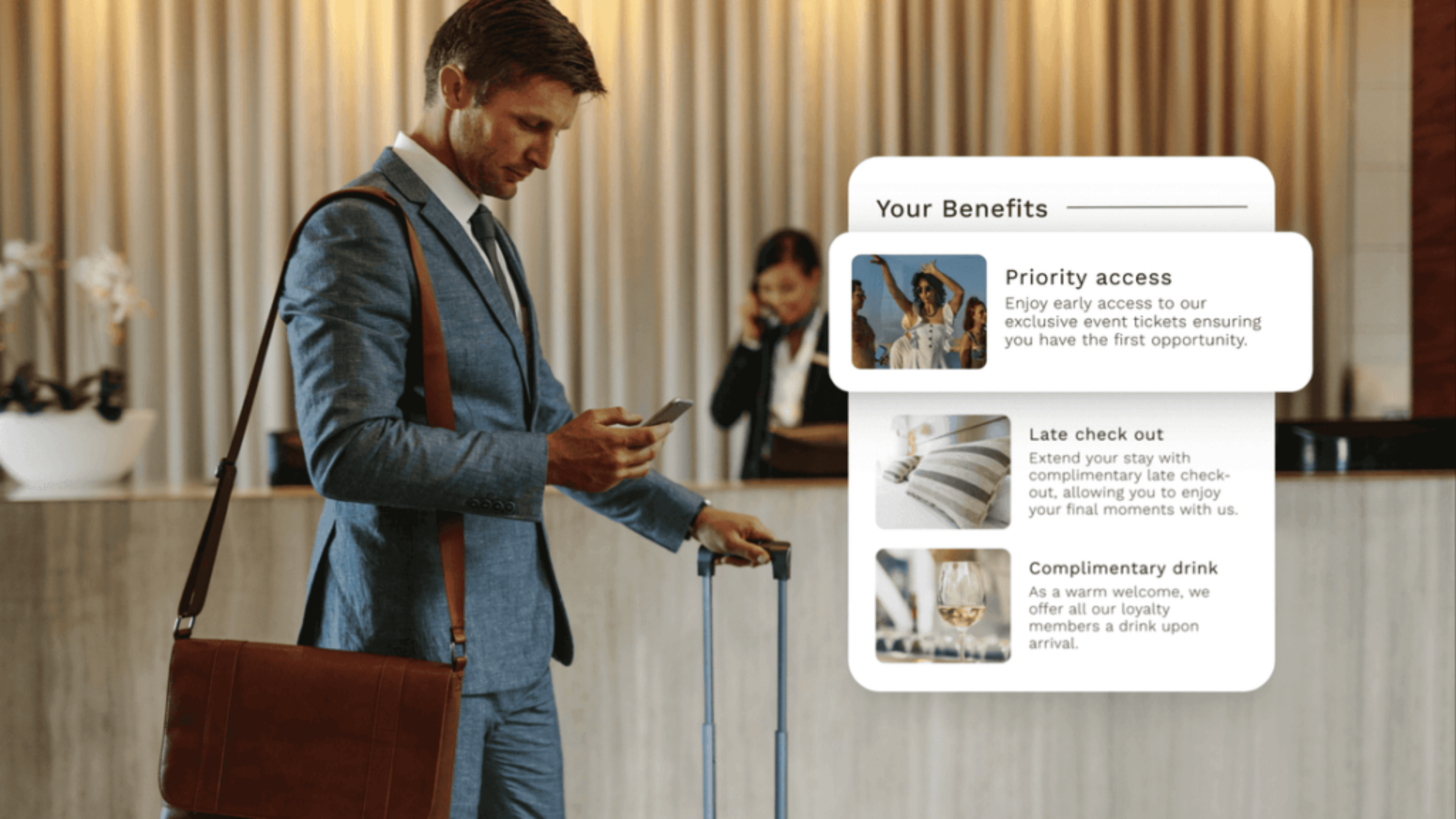
Priority access or VIP benefits for consistent off-peak users
Create player routines around quiet hours
Off-peak hours become easier to fill when they stop being random openings and start becoming repeatable habits. Players are more likely to book a quiet slot when it is tied to a familiar weekly routine. That is why recurring formats often outperform one-off promotions.
Think in terms of fixed moments such as a Tuesday morning social, a Wednesday lunch ladder, or a Friday early-afternoon beginner clinic. These formats reduce planning friction because players know what happens, who it is for, and when it starts. They also lower the burden of organizing partners, which is a major barrier in off-peak periods.
Formats that help build off-peak habits
Beginner mixers during weekday mornings
Lunch-break express matches for local workers
Americano or round-robin formats in early afternoon
Weekly ladies', seniors', or flexible-worker sessions
Recurring coaching blocks tied to quieter court hours
Segment your off-peak offers by player type
Not every player will move for the same reason. Beginners may respond to social onboarding and easier access to partners. Frequent players may care more about tier status, extra value, or booking advantages. Corporate and remote workers may be motivated by convenience and predictable lunchtime play. A generic campaign to your full database usually underperforms because the barrier is different for each segment.
Start with a few practical segments: new players, casual players, regular members, coaching-led players, and referral-prone community players. Then match the message to the behavior you want. For example, invite beginners to low-pressure weekday clinics, reward regulars with off-peak challenge bonuses, and target local professionals with short lunchtime formats that fit a workday schedule.
Make booking off-peak courts frictionless
Even a strong offer loses impact if the booking experience is clunky. Quiet-hour demand often depends on casual or flexible users who will drop off quickly if they cannot reserve in a few taps. Simplicity matters: clear availability, instant confirmation, easy payment, visible incentives, and transparent cancellation rules all support conversion.
The best systems also show why an off-peak booking is attractive at the moment of decision. If a player sees bonus points, available partner matching, or progress toward a reward during checkout, the value becomes immediate. This is where integrated loyalty and booking tools can make a measurable difference, because rewards do not have to be manually tracked or explained later.
Reduce no-shows and late cancellations in low-demand slots
A booked court that goes unused still hurts utilization, especially in hours that are already difficult to fill. That is why off-peak strategy should include attendance protection, not just booking acquisition. Prepayment, clear cancellation policies, reminders, and waitlist automation all help recover capacity that would otherwise be lost.
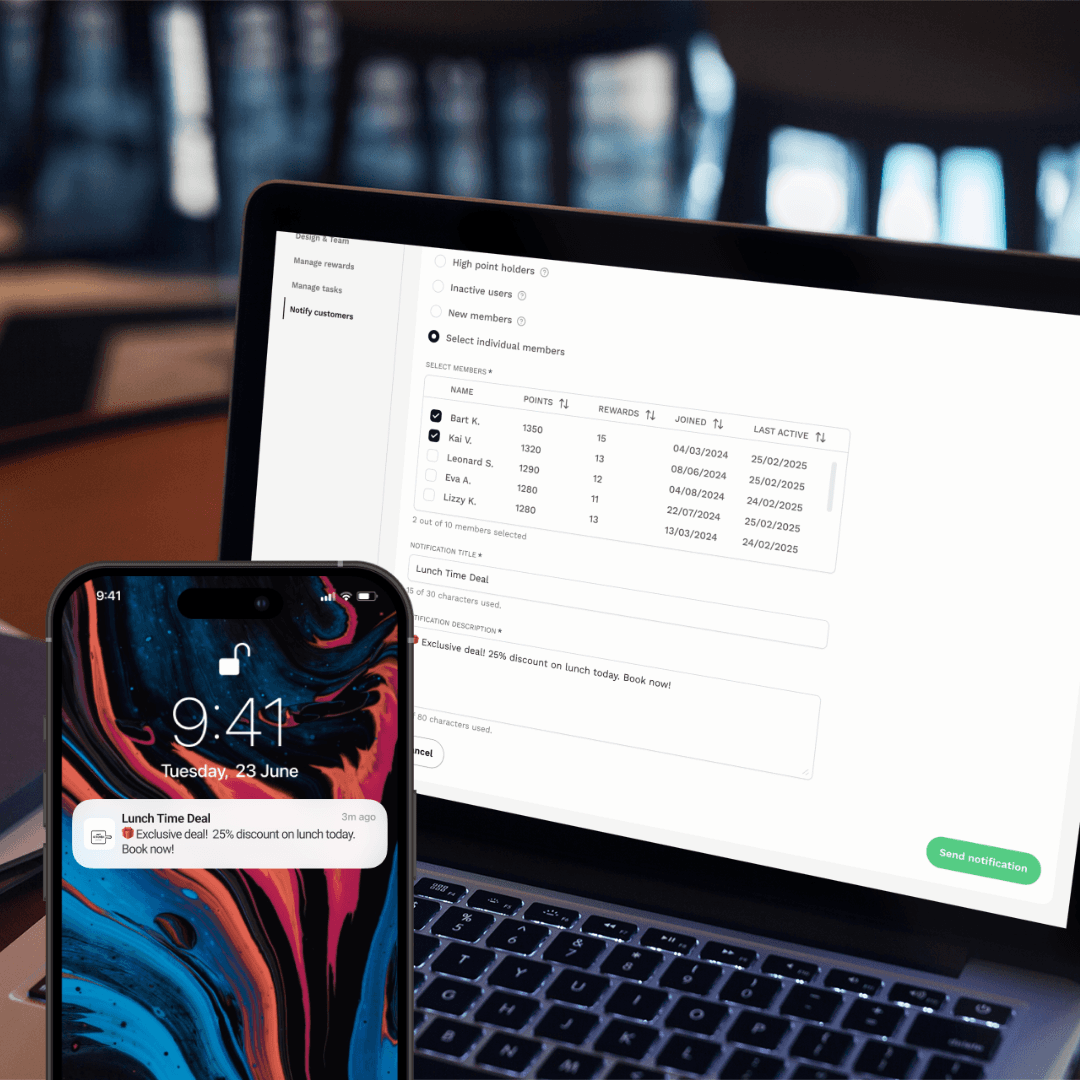
Court alerts can be especially useful here. When a cancellation happens in a quiet window, the right players can be notified immediately, giving the slot a second chance to convert. This is often more effective than relying on passive availability inside the booking system alone.
Use community mechanics to fill quiet hours faster
Community is one of the strongest levers for off-peak growth because players often book around people, not just around price. If your club helps members find groups, join recurring formats, and invite friends, off-peak slots become socially easier to commit to. This is why community-first strategies often support both retention and court occupancy at the same time.
Referral challenges, member-only sessions, small team competitions, and micro-leagues can all support quiet-hour demand. The goal is not to push more messages. It is to make the off-peak session feel like something players belong to. Once that social layer is in place, utilization tends to improve more sustainably than with standalone promos.
Link coaching and skill progression to off-peak demand
Coaching is often an underused off-peak driver. Many players are willing to come during quieter hours if the session helps them improve. Beginner clinics, tactical small-group sessions, and progression paths tied to weekday daytime slots can create reliable usage while increasing the value of the club experience.
This works especially well because coaching reduces the need for players to organize a full match group. It also gives new and casual players a reason to return quickly. When off-peak coaching is connected to progression rewards, follow-up sessions, or tier-based perks, it becomes more than a one-time booking. It becomes a habit loop.
Track which strategies actually improve court occupancy
Running campaigns is easy. Knowing which ones genuinely improve off-peak utilization is harder. Measure outcomes at the level of hour, segment, and repeat behavior, not only total bookings. A flash offer that fills one quiet Tuesday but never repeats is less valuable than a smaller tactic that creates weekly return play.
KPI | Why it matters
|
|---|---|
Off-peak occupancy by hour | Shows which low-demand slots are improving and which still need intervention |
Repeat off-peak booking rate | Reveals whether you are building habits or only creating one-time responses |
Cancellation and no-show rate | Measures how much booked capacity is actually used |
Average revenue per off-peak booking | Helps protect margin while optimizing utilization |
Referral participation | Shows whether quiet-hour programs are generating social growth |
Coaching or event attachment rate | Indicates whether off-peak traffic is creating wider club spend |
A practical model for improving off-peak utilization without discounting your brand
For many padel clubs, the strongest model is behavior-based and automated. Instead of asking staff to manually manage promotions, the club sets specific rules for low-demand hours and lets the system trigger rewards based on bookings, check-ins, or minutes played. This allows you to encourage the right actions at scale while keeping the club experience consistent.
That approach is also easier to optimize. You can test bonus points on weekday mornings, launch quiet-hour challenges, connect referrals to daytime usage, and measure off-peak utilization by hour. When your loyalty setup is integrated with booking tools, the process becomes simpler for both staff and players. Authic supports this model with a white-label loyalty app for padel clubs, including bonus point mechanics, tiers, challenges, rewards wallets, court alarms, and loyalty analytics for padel clubs designed to help clubs improve quiet-hour usage without relying on blanket discounts.
Common mistakes that weaken off-peak strategies
Discounting too broadly instead of targeting specific quiet hours
Running one-off campaigns without building recurring formats
Ignoring segmentation and sending the same offer to every player
Making players work too hard to find partners or join sessions
Tracking total bookings but not repeat off-peak behavior
Launching incentives manually with no automation or visibility
FAQ about off peak utilization strategies for padel clubs
What are the best off peak utilization strategies for padel clubs?
The best strategies usually combine targeted incentives, recurring events, easier partner matching, off-peak coaching, and booking simplicity. Clubs get better results when they reward quiet-hour behavior, create repeatable weekly routines, and track occupancy by hour instead of relying only on general promotions.
Should padel clubs discount off-peak court time?
Discounts can help, but they should not be the only tactic. Many clubs improve off-peak utilization more sustainably with bonus points, credits, loyalty tiers, challenges, and value-added perks. These methods protect pricing while still giving players a reason to shift demand. A stronger pricing and packaging strategy can also help clubs shape demand without over-relying on blanket discounts.
How can a padel club fill weekday mornings and early afternoons?
Start with player segments that have schedule flexibility, such as beginners, remote workers, parents, seniors, and coaching-focused players. Then create recurring formats like clinics, socials, lunch matches, or small leagues. Add clear incentives and make booking effortless.
How do loyalty programs help improve off-peak occupancy?
Loyalty programs work well when they are behavior-based. A club can reward bookings during quiet hours, accelerate tier progress, run off-peak challenges, or issue credits for specific low-demand slots. When connected to booking and check-in data, the process can be automated and measured accurately.
What should a club measure to improve off-peak court utilization?
Track occupancy by hour, repeat off-peak booking rate, cancellations, no-shows, revenue per booking, and campaign response by player segment. These metrics show whether your strategy is building consistent behavior or only short-term spikes. For a practical example, see how Padelcentrum Bol increased off-peak bookings by 25%.
Can community events really improve off-peak bookings?
Yes. Community formats often reduce the biggest barrier in quiet hours: players not having a clear group to play with. Mixers, Americano events, ladders, and member sessions make it easier to commit to off-peak slots and often lead to stronger repeat participation.

Founder & CEO
Founder & CEO of Authic. Wouter helps businesses build lasting customer relationships through branded loyalty apps that drive engagement, repeat visits, and growth.

Continue reading


We provide the technology and simplicity to turn customers into loyal fans, without the complexity or cost of building it yourself.