Fast, no code setup
Increase sales on autopilot

A strong padel club pricing strategy for acquisition does not start with discounting harder. It starts with knowing which first offer gets more players through the door, which price points convert casual interest into a first booking, and which structure turns new players into repeat customers instead of one-time bargain hunters. If your club only competes on low prices, acquisition becomes expensive fast. If your pricing is designed around trial, conversion, retention, and referral, the same offer can lower friction while protecting margin.
For most padel clubs, the best pricing strategy is not one single membership fee or launch discount. It is a layered system that combines introductory offers, off-peak pricing, packs, group incentives, corporate deals, and loyalty mechanics. Done well, pricing becomes a growth lever that helps you fill courts, improve cost per acquisition, increase repeat play, and make your marketing budget work harder.
What a pricing strategy for acquisition should achieve
Pricing for acquisition should do more than generate a spike in cheap first bookings. It should help you attract the right players, convert them efficiently, and move them toward habits that are profitable for the club. In practice, that means your prices should lower the barrier to first play without training people to only buy when there is a heavy discount.
A good acquisition pricing model for a padel club should support five outcomes:
Increase first bookings and trial participation
Convert beginners into repeat players or members
Improve court utilization, especially in off-peak hours
Support referrals and group acquisition
Protect long-term revenue per active player
This is why pricing should always be linked to your wider commercial model. If your offers create bookings but hurt retention, your acquisition cost stays high. If your pricing encourages repeat visits, bookings, check-ins, and referrals, your club can grow with less waste.
How much should a padel club discount to acquire new players?
Most clubs do not need aggressive discounts to acquire players. In many cases, a moderate incentive converts better than a deep price cut because it feels premium enough to protect brand perception while still reducing friction. A first-session bonus, lesson credit, free guest pass, or limited-time bundle often performs better than simply lowering all prices.
As a rule, acquisition pricing should be strong enough to create urgency, but specific enough to avoid damaging your core rate card. That usually means you discount the entry point, not the whole business. For example, instead of reducing all court prices, you can offer a beginner intro package, a first-month membership incentive, or an off-peak trial plan.
Good acquisition discounts are usually:
Time-limited
Restricted to new players or first purchase
Tied to a next step such as second booking or membership upgrade
Structured around behavior, not just price
If you discount too broadly, you may acquire volume but weaken yield. If you structure the offer around conversion, pricing becomes a controlled growth tool.
The most effective pricing models for padel club acquisition
Introductory offers for first-time players
Introductory pricing is often the fastest way to reduce friction for new players. This can include a discounted first booking, a beginner clinic at a lower entry price, or a first month offer for new members. The key is to keep the offer simple and outcome-driven. A player should immediately understand what they get and why they should act now.
Strong examples include:
First game at a reduced rate during selected hours
First month membership at 50% off
Free lesson credit after first booking
Starter pack with court time plus rental equipment
The best introductory offers create a clear path to the second action. If the first offer stands alone, you may win trials without building repeat behavior.
Off-peak pricing to acquire price-sensitive demand
Off-peak pricing is one of the most practical tools for clubs that want to grow without overcrowding prime-time slots. Instead of lowering prices across the board, you use lower rates to attract new players into underused inventory. This improves court occupancy and protects your premium hours.
Off-peak acquisition pricing works especially well for:
Beginners with flexible schedules
Students and freelancers
Parents available during daytime hours
Retired players
Corporate groups booking outside evening peak
You can package this as off-peak memberships, weekday starter plans, daytime leagues, or bonus rewards for low-demand hours. This is where dynamic pricing and incentives can work together especially well.
Pack pricing instead of single-booking discounts
If your goal is not just acquisition but repeat play, pack pricing often outperforms one-off discounts. A 3-session beginner pack, 5-game off-peak bundle, or intro coaching series encourages commitment from day one. It also gives you more margin control than discounting single bookings.
Pack pricing is useful because it:
Improves upfront cash flow
Increases the chance of habit formation
Makes your effective acquisition cost easier to recover
Creates a natural conversion point into membership or loyalty
For clubs asking whether owning a padel club is profitable, this is part of the answer. Profitability is rarely driven by first bookings alone. It comes from repeatable spend across court bookings, coaching, events, and secondary revenue.
Membership pricing built for conversion
Membership pricing should not be a flat menu with no logic behind it. For acquisition, your memberships should guide different player types into the right entry point. A beginner, a casual player, and a frequent player do not need the same offer.
A more effective structure usually includes:
Entry membership with low friction and limited perks
Mid-tier membership with better booking value and member benefits
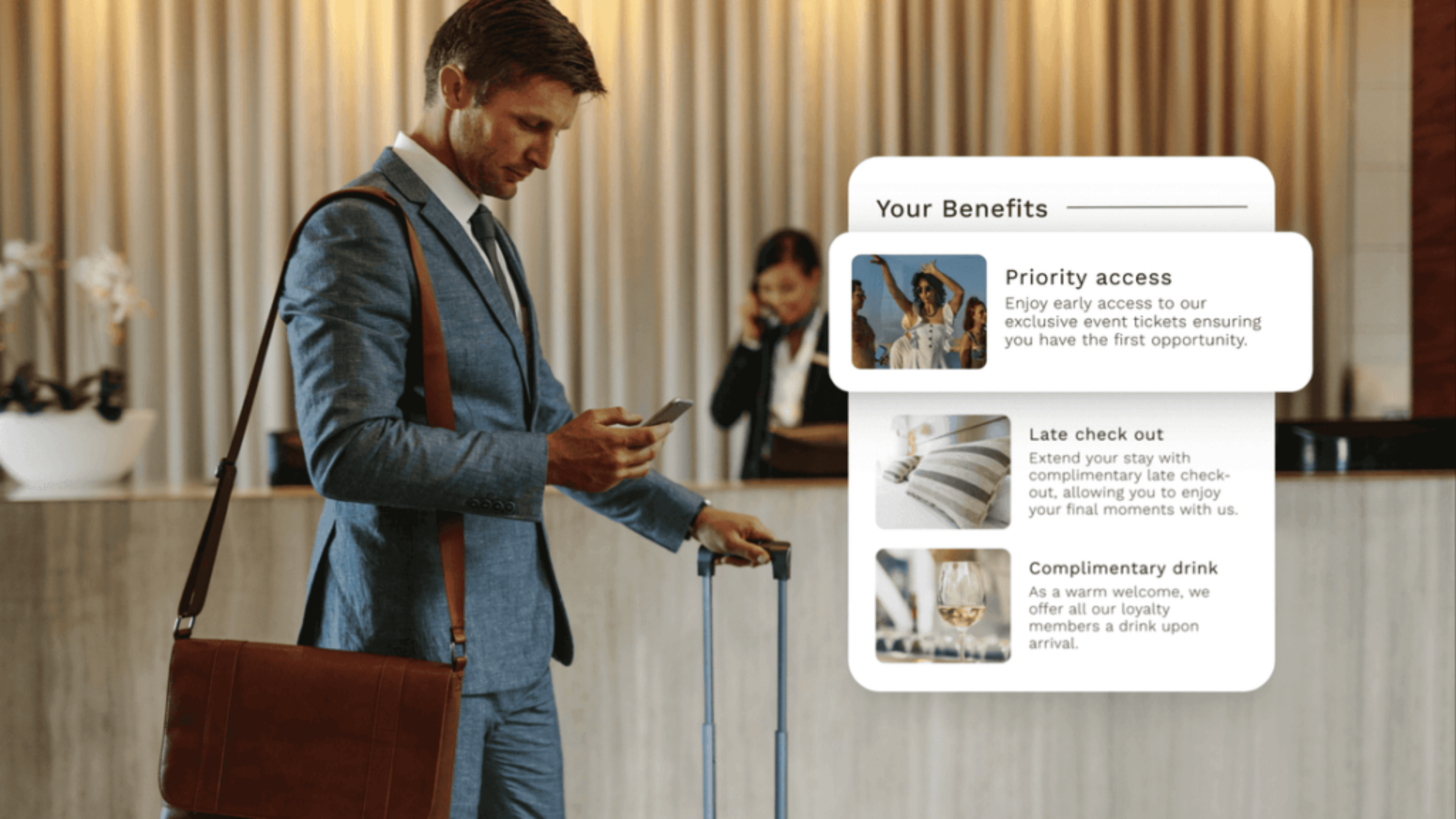
Premium or VIP tier with priority, rewards, and exclusive access
This kind of tiering helps avoid a common mistake: asking new players to commit too much too early. A lower-friction entry tier can improve conversion, while tiers and perks create upsell potential later.
Group and referral pricing
Padel is social by nature, which makes group pricing and referral pricing highly effective acquisition tools. A club can often acquire a player more efficiently through their friends than through paid ads alone. Pricing should reflect that behavior.
Useful examples include:
Bring-a-friend credits
Group beginner packages
Family plans
Referral rewards for both the referrer and the new player
Team or league entry offers tied to repeated bookings
This is especially powerful when linked to a loyalty system where referrals, check-ins, and bookings can trigger rewards automatically.
How to structure pricing by club phase
Pre-launch pricing
Before opening, pricing should focus on reducing uncertainty and building a waitlist. Founding member offers, early-access bundles, and launch event incentives can create momentum without forcing the club into permanent low-price positioning. The aim is to reward early commitment, not to set a low benchmark that becomes hard to raise later.
Newly opened club pricing
Right after launch, acquisition pricing should prioritize first bookings, beginner onboarding, and visibility. This is the best moment for intro packages, first-month incentives, opening leagues, and off-peak trial plans. Keep your message tightly linked to local demand and easy conversion.
Growth-stage club pricing
Once the club has baseline traction, pricing should shift from broad trial generation to efficiency. That means using segmented pricing for off-peak hours, loyalty-led offers, repeat-play bundles, and referral-led acquisition. At this stage, the goal is to improve the quality of acquired demand, not just the volume.
Mature club pricing
For mature clubs, pricing strategy should focus on protecting yield while activating quieter inventory and reducing churn. That often means fewer broad launch-style discounts and more targeted incentives based on player behavior, loyalty tier, booking frequency, and churn risk.
Which pricing levers matter most for acquisition ROI?
If you want to know whether your pricing strategy is actually working, look beyond top-line booking volume. The best acquisition pricing improves profitability over time, not just first-click conversion. That means tracking what happens after the first purchase.
Key metrics include:
Cost per first booking
Cost per acquired member
Second booking rate
30-day and 90-day return rate
Referral rate
Revenue per active player
Off-peak occupancy uplift
Lifetime value by acquisition offer
A low-cost offer is not necessarily a good offer if the players it attracts never return. On the other hand, a slightly more expensive acquisition path may be far more valuable if it produces higher repeat play and stronger membership conversion.
Example pricing framework for player acquisition
Below is a practical way to think about acquisition pricing without relying on one blanket discount for every audience.
Player segment | Pricing approach | Main goal | Best follow-up |
|---|---|---|---|
First-time beginners | Intro clinic or first-play offer | Reduce trial friction | Beginner pack or starter membership |
Flexible daytime players | Off-peak membership or daytime bundle | Fill low-demand hours | Loyalty rewards for repeat off-peak usage |
Social groups | Group package or bring-a-friend offer | Acquire multiple players at once | Referral rewards and recurring social events |
Corporate users | Team package or corporate offer | Higher-value bookings and repeat sessions | League, event, or account-based upsell |
Casual returning players | Multi-play pack or loyalty-based incentive | Increase frequency | Upgrade to membership tier |
Why loyalty should be part of a padel club pricing strategy
Pricing alone can attract attention, but loyalty is what makes acquisition more efficient over time. When a club can reward bookings, check-ins, purchases, and referrals, it has more ways to influence behavior without permanently lowering headline prices. That is why many clubs now connect pricing strategy with loyalty and CRM instead of treating them as separate systems.
For example, instead of giving everyone a static discount, you can use loyalty to create smarter incentives such as:
Off-peak rewards for underused slots
Bonus credits after a first or third booking
Membership perks tied to activity level
Referral rewards that unlock automatically
VIP tiers that encourage higher frequency and retention
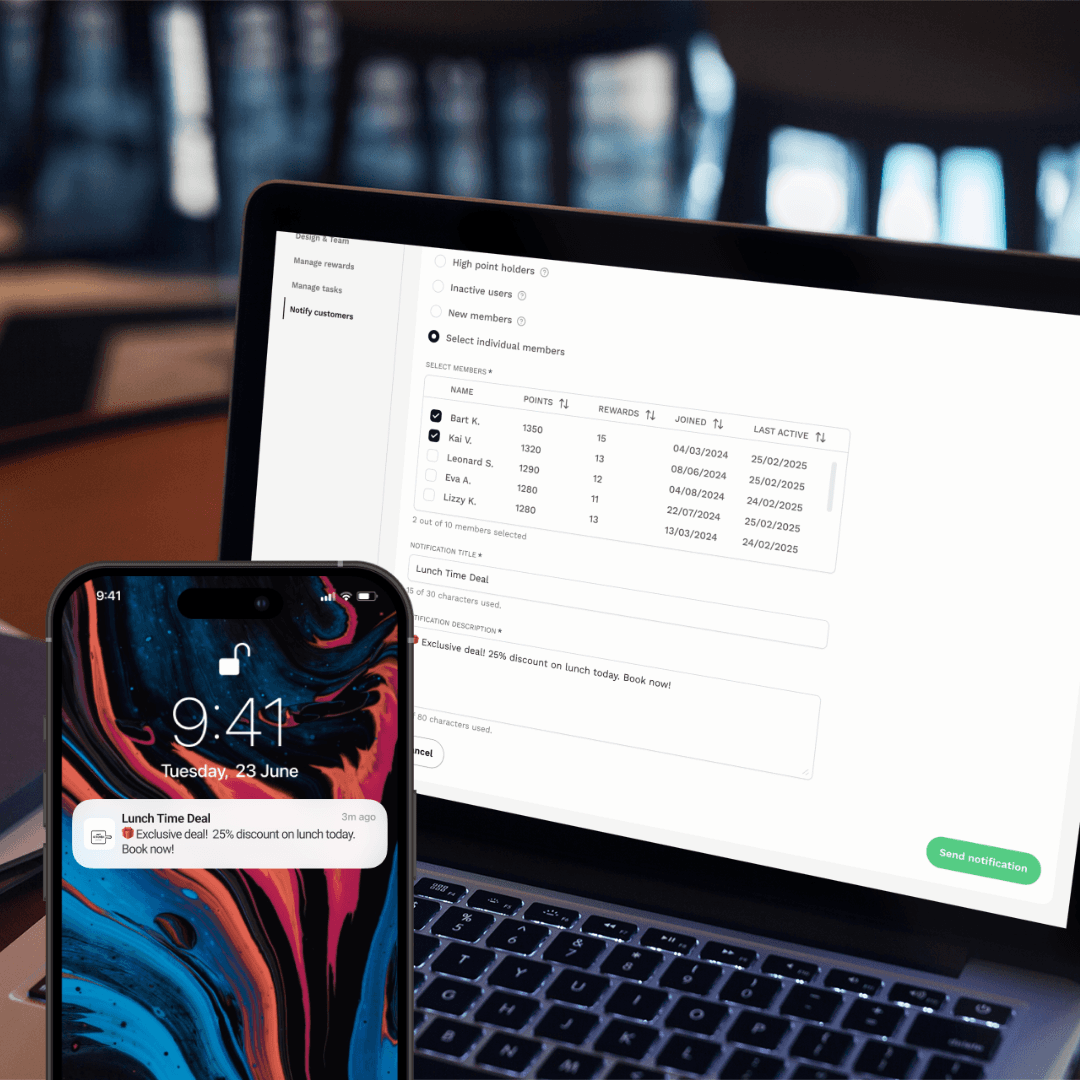
This approach is especially useful for clubs that want to scale acquisition without overreliance on paid media. Authic.io positions this well through white-label loyalty apps, campaign tools, VIP tiers, notifications, rewards, and analytics that can connect pricing and player behavior in one system. For a padel club, that means acquisition offers do not have to end at checkout. They can continue inside the app through incentives designed to increase repeat play and referrals.
Using dynamic pricing without damaging your brand
Dynamic pricing can be effective for padel clubs, but only if it is predictable and easy to understand. If players feel prices change randomly, trust drops. If dynamic pricing is structured around clear demand patterns, it can improve occupancy and make acquisition more efficient.
Use dynamic pricing carefully for:
Peak versus off-peak hours
Last-minute unsold court inventory
Seasonal demand changes
Special events or low-demand windows
The key is to keep your logic transparent. Pair dynamic pricing with value communication, loyalty rewards, or member perks so players understand why certain times or formats offer better value.
Common pricing mistakes that hurt acquisition
Discounting everything instead of only the first step
Using the same offer for every player segment
Ignoring off-peak pricing opportunities
Failing to connect pricing with retention and referral
Not tracking second booking rate and long-term value
Creating memberships with too much commitment too early
Running launch-style promotions long after launch
The biggest mistake is treating pricing as a one-time sales tactic instead of a system. Acquisition pricing should be tested, measured, and adjusted based on how real players behave after the first conversion.
How to test and improve your pricing strategy
You do not need endless experiments to improve pricing. A focused testing rhythm is usually enough. Start with one variable at a time and compare not just first conversion, but downstream behavior as well.
Good tests include:
Discounted first booking versus free lesson credit
Single intro offer versus 3-session starter pack
Off-peak membership versus off-peak court discount
Referral reward for one side versus both sides
Static membership perks versus loyalty-based unlocks
Review results monthly and reallocate effort quickly. Weather, seasonality, local competition, and occupancy patterns can all change what works. To connect these tests to a broader growth roadmap, use a padel club marketing plan template.
How pricing connects to padel club profitability
Many operators ask, is owning a padel club profitable? It can be, but profitable growth depends on more than court demand. It depends on how effectively your club turns interest into repeatable revenue. That means pricing should support a commercial mix that includes bookings, memberships, coaching, events, pro-shop spend, and referrals.
It also connects to another common question: how much would it cost to set up a padel club? Setup cost matters, but the bigger long-term question is how quickly your pricing and retention model help you recover customer acquisition costs. Clubs with better pricing architecture often do not need to win the market by being cheapest. They win by converting better, supported by website conversion optimization, and keeping players active for longer.
FAQ about padel club pricing strategy for acquisition
What is the best pricing strategy for acquiring new padel players?
The best strategy usually combines a low-friction introductory offer with a clear path into repeat play. That can mean a first-session promotion, an off-peak trial, or a beginner pack followed by membership or loyalty-based incentives.
Should a padel club use discounts or value-added offers?
In many cases, value-added offers perform better than deep discounts. Free lesson credits, guest passes, starter bundles, or loyalty rewards can increase conversion while protecting your core pricing and brand position.
How important is off-peak pricing for acquisition?
Very important. Off-peak pricing helps you attract price-sensitive demand without reducing rates during your busiest hours. It is one of the safest ways to improve occupancy while keeping prime-time pricing strong.
Can dynamic pricing work for padel clubs?
Yes, if the logic is clear and linked to demand patterns. Dynamic pricing works best when players understand why some slots are cheaper and when it is combined with member perks or loyalty incentives.
How do referrals fit into pricing strategy?
Referral incentives are part of acquisition pricing because they lower the cost of bringing in new players. A reward for both the existing player and the referred player often works well, especially when tracked through a loyalty app or CRM flow.
How do you know if an acquisition offer is profitable?
Measure more than first bookings. Track second booking rate, return rate, membership conversion, referral activity, and lifetime value by offer. A cheap first booking is not profitable if those players never come back. If you want a broader framework for acquisition performance, see how to get more members for your padel club.
Should pricing strategy be connected to loyalty software?
Yes. Loyalty software helps you move beyond static discounts by rewarding bookings, check-ins, purchases, and referrals. That gives your club more control over retention, reactivation, and acquisition efficiency over time. When promoting these offers online, strong landing pages that convert also help turn interest into sign-ups, while marketing budget examples for padel clubs can help benchmark the acquisition spend behind your pricing strategy.

Founder & CEO
Founder & CEO of Authic. Wouter helps businesses build lasting customer relationships through branded loyalty apps that drive engagement, repeat visits, and growth.

Continue reading


We provide the technology and simplicity to turn customers into loyal fans, without the complexity or cost of building it yourself.