ARTICLE
Loyalty Program Costs for Salons and Spas

Fast, no code setup
Increase sales on autopilot

A salon or spa loyalty program can be inexpensive, profitable, or quietly expensive, depending on how you structure rewards, software, discounts, and operations. The real question is not just “how much does a loyalty program cost?” but “what does it cost you to run well, and what does it return?” If you are comparing options for salons and spas, this guide breaks down the actual cost categories, common pricing models, realistic budget ranges, and the mistakes that make loyalty programs more expensive than they need to be.
What does a loyalty program cost for salons and spas?
For most salons and spas, loyalty program costs come from three core areas: the rewards you give away, the software you use to run the program, and the discounts or incentives built into the offer. On top of that, there can be small operational costs such as setup time, staff training, campaign management, and promotional materials.
A simple punch card or basic points program may cost very little to launch, but it often creates hidden costs through poor tracking, weak redemption control, and limited insight into ROI. A more advanced digital setup can cost more upfront, yet reduce manual work and make performance far easier to measure.
In practical terms, your total cost depends on:
How generous your rewards are
How often customers can redeem them
Whether you use paper, POS-based, or app-based software
How much discounting is baked into the program
How actively you promote and optimize it
That is why two salons can both say they have a loyalty program, while one spends very little and the other gives away margin without seeing stronger retention.
The main cost categories in a salon or spa loyalty program
Rewards cost
This is usually the most visible expense. Rewards cost includes free treatments, upgrades, add-ons, product gifts, service credits, birthday perks, referral incentives, and redemption-based offers. For salons and spas, the safest rewards are usually desirable but margin-safe. A small add-on with high perceived value often costs far less than a broad discount on a core service.
Examples of reward cost drivers include:
Free blow-dry upgrades
Deluxe mask or scalp treatment add-ons
Retail discounts after a spend threshold
Birthday rewards
Referral perks for both the existing and new guest
If a reward uses therapist or stylist time, product cost, and room or chair capacity, the true cost is higher than the product alone. That is why reward design matters more than many owners expect, especially when deciding how to value loyalty points.
Software cost
Software costs vary widely based on the type of platform you choose. A basic POS add-on may charge a monthly fee plus transaction-based pricing. A more advanced loyalty platform may include branded experiences, campaign tools, analytics, wallet passes, referrals, tiers, and integrations with booking or POS systems.
When salons ask, “How much does a loyalty program cost?”, software is usually the second-biggest line item after rewards. But it can also be the cost that saves money elsewhere by reducing admin time and preventing over-redemption or poor targeting.
Discount cost
Many businesses underestimate this category. A program that relies heavily on percentage discounts can become expensive quickly, especially if customers would have purchased anyway. For salons and spas, broad discounts on core services often cut margin faster than they increase loyalty.
Discount cost becomes especially important if your program includes:
Ongoing member pricing
Tier-based percentage discounts
Recurring retail offers
Referral discounts stacked with other promotions
Operational cost
Even if software and rewards look affordable, there is still an execution cost. Staff need to explain the program, enroll customers, answer reward questions, and handle redemptions correctly. If the system is manual, the admin burden climbs fast. Paper cards get lost, front desk teams forget to stamp them, and managers lack clean data to understand performance.
Operational costs typically include:
Setup and configuration time
Staff onboarding and process training
Campaign planning
Customer communication by email, SMS, or app
Reporting and optimization
Typical loyalty program pricing models
There is no single standard loyalty program price for salons and spas. Most solutions fall into one of the models below, and your total cost depends on the provider and feature set.
Fixed monthly subscription
This is common for digital loyalty software. You pay a flat monthly fee for access to the platform, often with limits based on features, locations, or active members. This model makes budgeting easier and is often preferred if you want predictable software spend.
Per-location pricing
Multi-location salon groups and spa brands often pay by branch or venue. This works well when each location needs its own setup, local campaigns, or staff access, but costs can rise quickly as you expand.
Usage-based pricing
Some providers charge based on members, transactions, redemptions, messages sent, or reward volume. This can feel affordable at the start, but costs may grow as the program becomes successful.
Setup or implementation fees
Some loyalty providers charge a one-time setup fee for onboarding, branding, integrations, or program design. If you need a more advanced setup with booking and POS integrations, this cost may be justified by lower manual work later.
Custom enterprise pricing
Larger beauty and wellness brands may need custom pricing tied to branded apps, white-label experiences, advanced analytics, multi-location reporting, API integrations, and campaign flexibility. In those cases, the software cost is usually one part of a broader retention and CRM strategy.
Estimated budget ranges for salons and spas
The exact loyalty program cost depends on your concept, pricing, visit frequency, and technology stack, but the ranges below give a practical benchmark.
Program type | Typical cost level | What is included
|
|---|---|---|
Paper punch card | Low | Printing, simple reward cost, almost no tracking |
Basic POS loyalty add-on | Low to medium | Simple points or visits, limited customization, basic reporting |
Digital loyalty platform | Medium | Automated tracking, campaigns, referrals, tiers, analytics |
Branded app or white-label setup | Medium to high | Custom branding, stronger customer experience, richer data and engagement tools |
Multi-location advanced program | High | Integrations, centralized reporting, segmentation, advanced automation |
For many independent salons and spas, the biggest controllable cost is not the platform fee. It is the reward structure. A poorly designed reward can cost more over a year than the software that powers the entire program.
What is usually the biggest expense?
For most salons and spas, the single biggest expense in a loyalty program is usually not the software. It is the combined margin impact of rewards and discounts. That includes free services, reduced-price treatments, retail discounts, and staff time tied to redemptions.
This matters because many beauty businesses focus on monthly software pricing while overlooking reward economics. A program with low software cost but aggressive discounting can be far more expensive than a higher-tech setup with smarter, lower-cost rewards.
Examples of high-cost reward choices include:
Free core services that take significant appointment time
Large percentage discounts on high-demand treatments
Rewards customers can redeem too frequently
Offers with no minimum spend or qualification rule
Examples of more margin-safe reward choices include:
Low-cost add-ons with strong perceived value
Retail rewards tied to a spend threshold
Bundled rewards that support underbooked services
Referral perks with a capped value
How to calculate the real cost of a loyalty program
If you want a realistic answer to “How much does a loyalty program cost?”, you need to calculate beyond the monthly platform fee. A practical formula looks like this:
Loyalty program cost = software cost + reward cost + discount cost + operational cost
To make that useful, break each part down:
1. Software cost per month
Include the monthly platform fee, any per-location charges, setup fees spread over time, and additional communication or integration costs.
2. Reward cost per redemption
Calculate the true cost of each reward, including product cost, service time, staff cost, and any lost capacity. If a reward uses a treatment room or a senior stylist’s time, include that.
3. Redemption volume
Estimate how many customers will realistically redeem each month. This is where many owners either overestimate fear of cost or underestimate actual margin leakage.
4. Discount impact
Work out how much revenue is reduced by member pricing or percentage-based offers. Ask yourself whether these discounts create incremental spend or just reward existing behavior.
5. Team and admin time
Even a good program takes some time to manage. Count setup, campaign updates, customer support, and reporting.
Simple example
Software: $149 per month
Reward cost: 40 redemptions at $4 true cost = $160
Discount impact: $200
Admin time: 4 hours at $20 per hour = $80
Total monthly cost: $589
That number becomes meaningful only when you compare it to the revenue the program influences, such as repeat visits, higher average ticket, increased retail sales, and referrals.
Are loyalty programs costing you money or making you money?
A loyalty program is not automatically profitable. If rewards are too generous, the structure is too broad, or the program is poorly tracked, it can absolutely cost you money. But when designed well, loyalty tends to improve visit frequency, retention, average spend, and customer lifetime value.
The key is to judge cost against contribution, not in isolation. A loyalty program that costs $600 per month but drives $2,500 in additional gross profit is healthy. A program that costs $250 per month but mainly discounts purchases that would have happened anyway may not be.
Watch for these warning signs:
High redemption but no lift in repeat bookings
Frequent discount usage without larger basket size
No clear increase in retention of first-time customers
Manual admin eating into front desk productivity
No reporting on reward cost versus incremental revenue
The ROI metrics salons and spas should track
The strongest pages in the search results explain loyalty through business impact, not just program types. Cost only becomes useful when paired with performance metrics. For salons and spas, these are the numbers worth tracking most closely.
Repeat visit rate
This tells you whether members come back more often than non-members. If repeat visit behavior does not improve, your loyalty costs may be subsidizing behavior that was already there.
Visit frequency
Small gains in frequency can make a loyalty program highly profitable. One extra visit per year from a meaningful segment of your base can outweigh software cost fast.
Average ticket size
Track whether loyalty members spend more on services, add-ons, or retail. This is especially relevant if your rewards are designed to encourage upgrades or threshold-based retail purchases.
Customer lifetime value
This is often where salon and spa loyalty programs create the biggest financial upside. Retaining clients longer usually has a stronger effect than running frequent acquisition campaigns.
Referral volume
If your program includes friend-get-friend mechanics, track how many new guests come in through referrals and what they are worth over time.
Reward redemption cost
Measure the real cost of redeemed rewards, not just the advertised value. This gives you a cleaner picture of margin impact.
Incremental revenue versus existing revenue
Try to separate loyalty-driven growth from normal repeat purchasing. This is one of the most important ways to tell whether the program is creating value or simply discounting loyal customers.
Cost differences between paper, POS-based, and digital loyalty programs
Paper punch cards
Paper systems look cheap, but they often create hidden waste. Cards get lost, customers forget them, staff apply them inconsistently, and there is little usable data. If you run a very small operation and want a lightweight test, paper can be a starting point, but it rarely gives a complete view of cost or ROI.
POS-based loyalty
A POS-based solution is usually more structured and easier to control than paper. It may be enough if you only need basic points or visit tracking. The trade-off is often limited flexibility in campaigns, referrals, tiers, and customer engagement outside checkout.
Digital loyalty platforms
Digital platforms generally cost more than paper and sometimes more than a simple POS add-on, but they unlock stronger tracking, automation, segmentation, and communication. They also reduce staff dependency and make it easier to measure whether your salon loyalty program costs are justified by the results.
For salons and spas that want more than a basic stamp card, a digital setup can support:
Automatic tracking of bookings, purchases, and check-ins
Points, tiers, referrals, and VIP cards
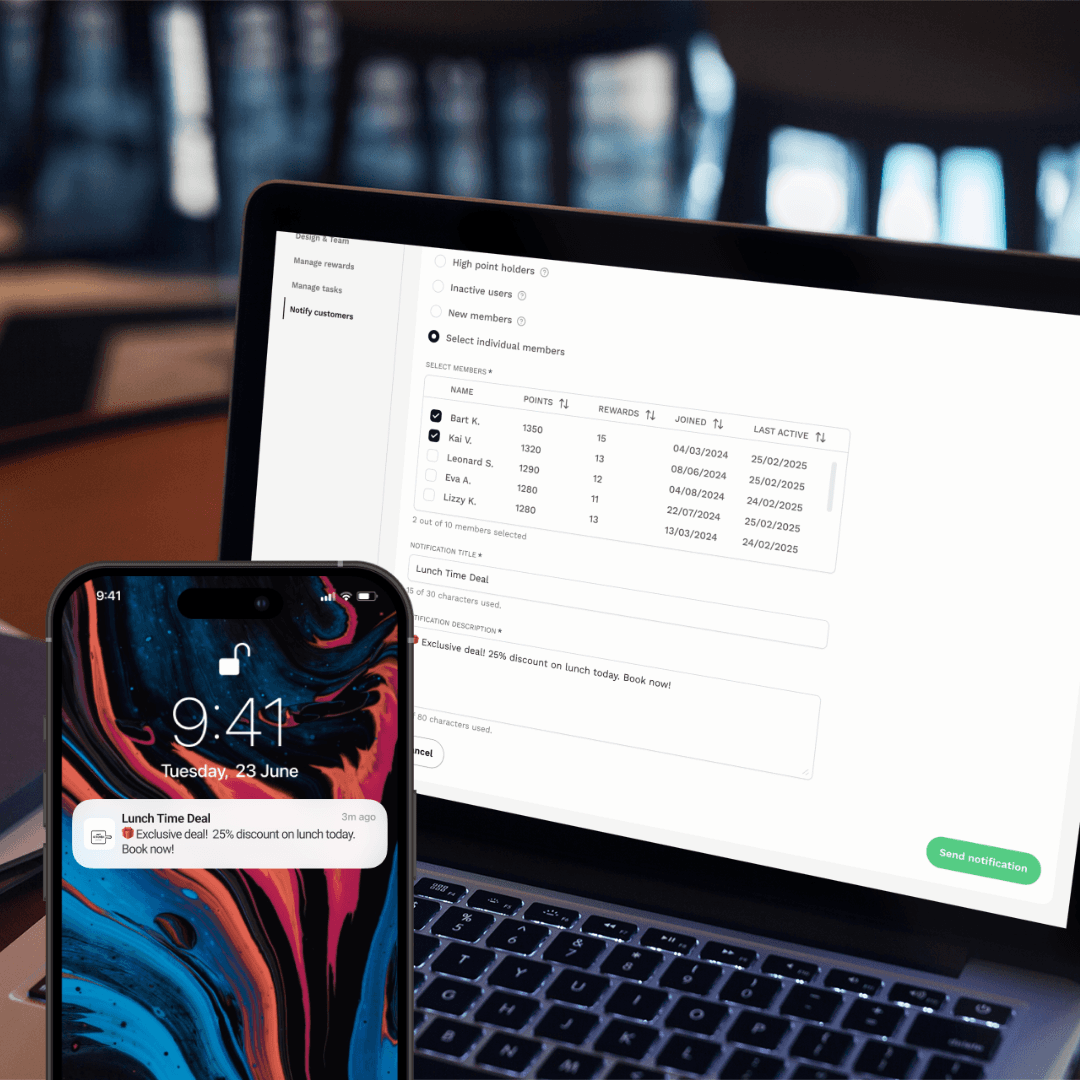
Targeted campaigns and challenges
Apple Wallet and Google Wallet passes
Analytics for redemption, ROI, and customer behavior
How to keep loyalty program costs under control
The lowest-cost program is not always the best one. The better goal is controlled cost with measurable upside. These practices help salons and spas protect margin while still offering rewards customers care about.
Choose margin-safe rewards
Use rewards with strong perceived value but modest delivery cost. Add-ons, mini upgrades, and threshold-based retail perks often work better than blanket discounts.
Set smart redemption rules
Do not make rewards so easy to earn that redemptions flood your schedule. But do not make them so hard that nobody engages. The structure should feel motivating without becoming expensive.
Avoid over-discounting core services
Core service discounts are one of the fastest ways to erode margin. If you do use them, cap them, time them, or tie them to specific behaviors that increase overall value.
Use automation to reduce admin
Manual loyalty programs cost more in staff time than many owners realize. Automated tracking and communication reduce errors and keep the front desk from becoming the control center of the program.
Review reward economics quarterly
What looked affordable at launch may become expensive once redemption patterns become clear. Quarterly reviews help you adjust thresholds, offers, and campaigns before margin slips.
What to ask when comparing loyalty software for salons and spas
When you compare providers, do not focus only on sticker price. A lower monthly fee can still lead to higher total cost if features are limited or execution becomes manual.
Ask these questions:
Does it integrate with your booking and POS systems?
Can it track bookings, purchases, and check-ins automatically?
Does it support points, tiers, referrals, and rewards?
Can you measure reward cost and ROI clearly?
How much manual work is still required from your team?
Can you launch and update campaigns without developers?
Does it support branded experiences, wallet passes, or an app if needed?
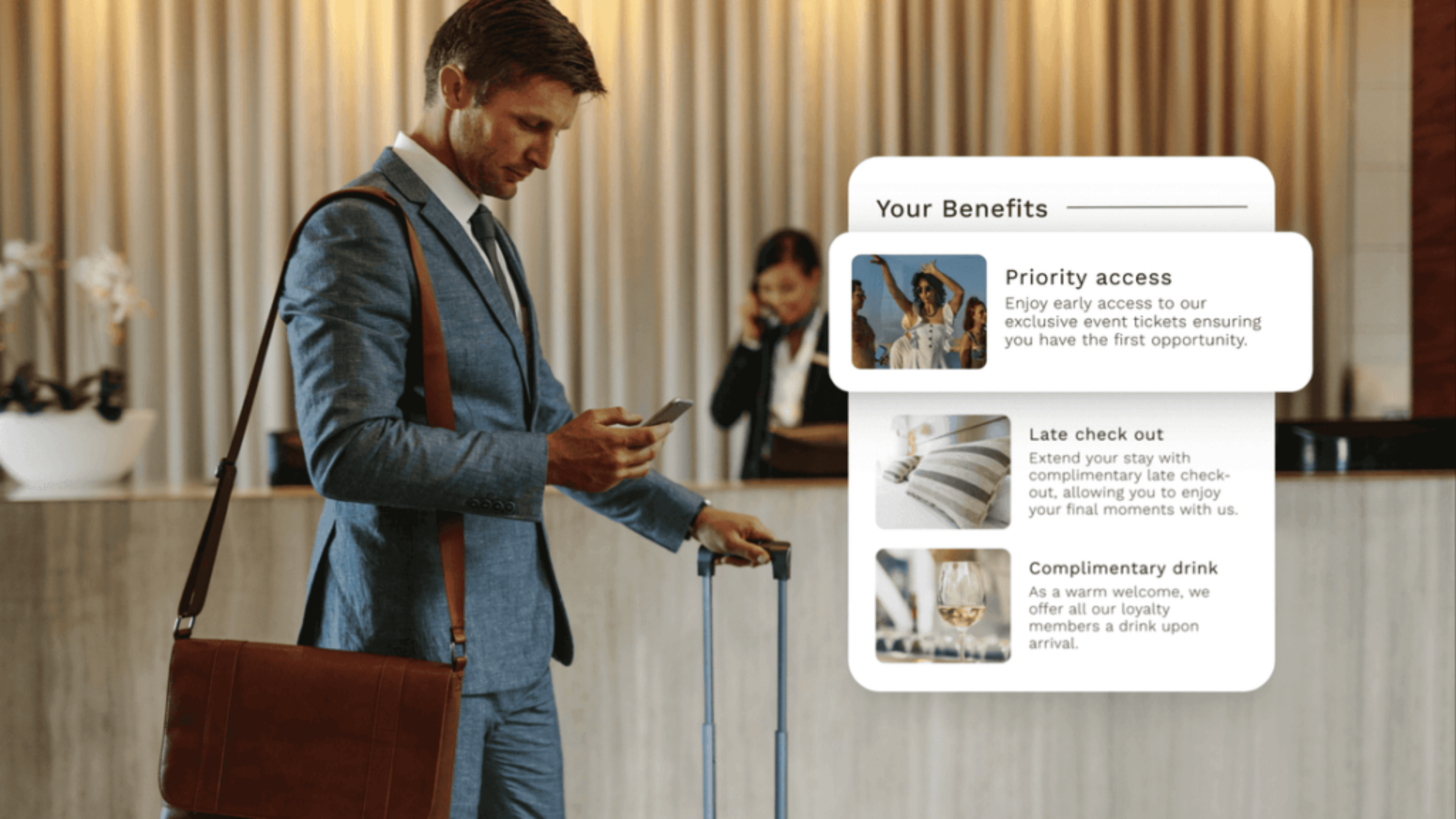
For salons and spas that want more control over branding, customer data, and the customer journey, a white-label loyalty setup can be worth considering if retention is a serious growth lever rather than a side feature. It also helps to understand choosing loyalty software before comparing vendors.
When a higher-cost loyalty program makes sense
A more advanced loyalty setup can be justified when your business depends heavily on repeat visits, memberships, retail attachment, referrals, or multi-location coordination. In those cases, the software is not just a cost center. It becomes part of your retention infrastructure.
This is especially true if you want to:
Run a branded loyalty app in the App Store and Google Play
Create tiered loyalty or VIP experiences
Connect loyalty to booking and POS data
Launch referral campaigns and challenges
Track ROI across services, locations, and customer segments
For many growth-focused salons and spas, the right question is not whether advanced loyalty software costs more. It is whether it produces enough operational efficiency and customer retention to justify the added spend. In practice, that often depends on integrating loyalty software with your POS and booking systems and planning the rollout with a clear implementation timeline and checklist.
FAQ
How much does a loyalty program cost?
A loyalty program can cost very little if you use a simple paper card, or significantly more if you run a digital, integrated, multi-location program. For salons and spas, total cost usually includes software, rewards, discounts, and admin time. The true monthly number is rarely just the platform fee.
What is typically the single biggest expense for a salon loyalty program?
Usually it is the margin impact of rewards and discounts, not the software itself. Free services, recurring discounts, and poorly controlled redemptions often cost more over time than the technology used to manage the program.
Are loyalty programs costing you money?
They can if they mainly discount existing purchases or offer rewards that are too generous. A healthy program should improve retention, visit frequency, average spend, or referrals enough to outweigh its total cost.
What are the 3 R's of loyalty?
In practical salon and spa terms, the 3 R's are often understood as rewards, retention, and relationships. Rewards attract participation, retention drives repeat visits, and stronger relationships increase lifetime value and referrals. A good program balances all three instead of relying on discounts alone.
Are points programs or membership programs cheaper?
Points programs are often simpler to launch, but they are not automatically cheaper. Membership programs may include stronger benefits and recurring discounts, yet they can also create more predictable revenue. The cheaper option depends on reward design, redemption frequency, and how much margin you give away.
How can salons and spas lower loyalty program costs without hurting engagement?
The best approach is to use rewards with high perceived value and lower true cost, automate tracking and communication, avoid broad service discounts, and review redemption data regularly. This keeps the program attractive without letting costs drift upward.
Do digital loyalty programs cost more than punch cards?
Usually yes in direct software spend, but often less in hidden waste. Digital systems improve tracking, reduce manual work, support automation, and make ROI easier to measure. That often makes them more cost-effective over time.
What should you measure before deciding whether a loyalty program is worth it?
Track repeat visit rate, visit frequency, average ticket size, customer lifetime value, referral volume, and true reward redemption cost. Those metrics show whether the program is creating profitable behavior or simply giving away margin. A useful next step is learning how to calculate loyalty program ROI.
Build a loyalty program with cost control and measurable ROI
If you are evaluating loyalty program costs for salons and spas, the smartest approach is to look beyond the monthly fee and model the full picture: rewards, discounts, operations, and revenue impact. The strongest programs are not the cheapest on paper. They are the ones that improve retention without damaging margin.
Authic helps salons and spas build branded loyalty programs with flexible reward mechanics, automated tracking, campaign tools, wallet passes, and ROI visibility, so you can control costs while creating a better customer experience.

Founder & CEO
Founder & CEO of Authic. Wouter helps businesses build lasting customer relationships through branded loyalty apps that drive engagement, repeat visits, and growth.

Continue reading


We provide the technology and simplicity to turn customers into loyal fans, without the complexity or cost of building it yourself.